

Roofs and Siding
ROOFS AND SIDING IN Vancouver, WA
Code requires at least 6 inches of clearance between siding and finished grade, and asphalt shingles need a minimum 2 to 12 slope with doubled underlayment below 4 to 12.TTP Handymen handles roofs and siding across Vancouver, WA, treating moss without blasting granules off shingles, replacing rotted siding and trim boards, correcting clearance at grade, and repairing the flashing details where most leaks actually begin. Free quotes throughout, and every job is insured to $1 million.

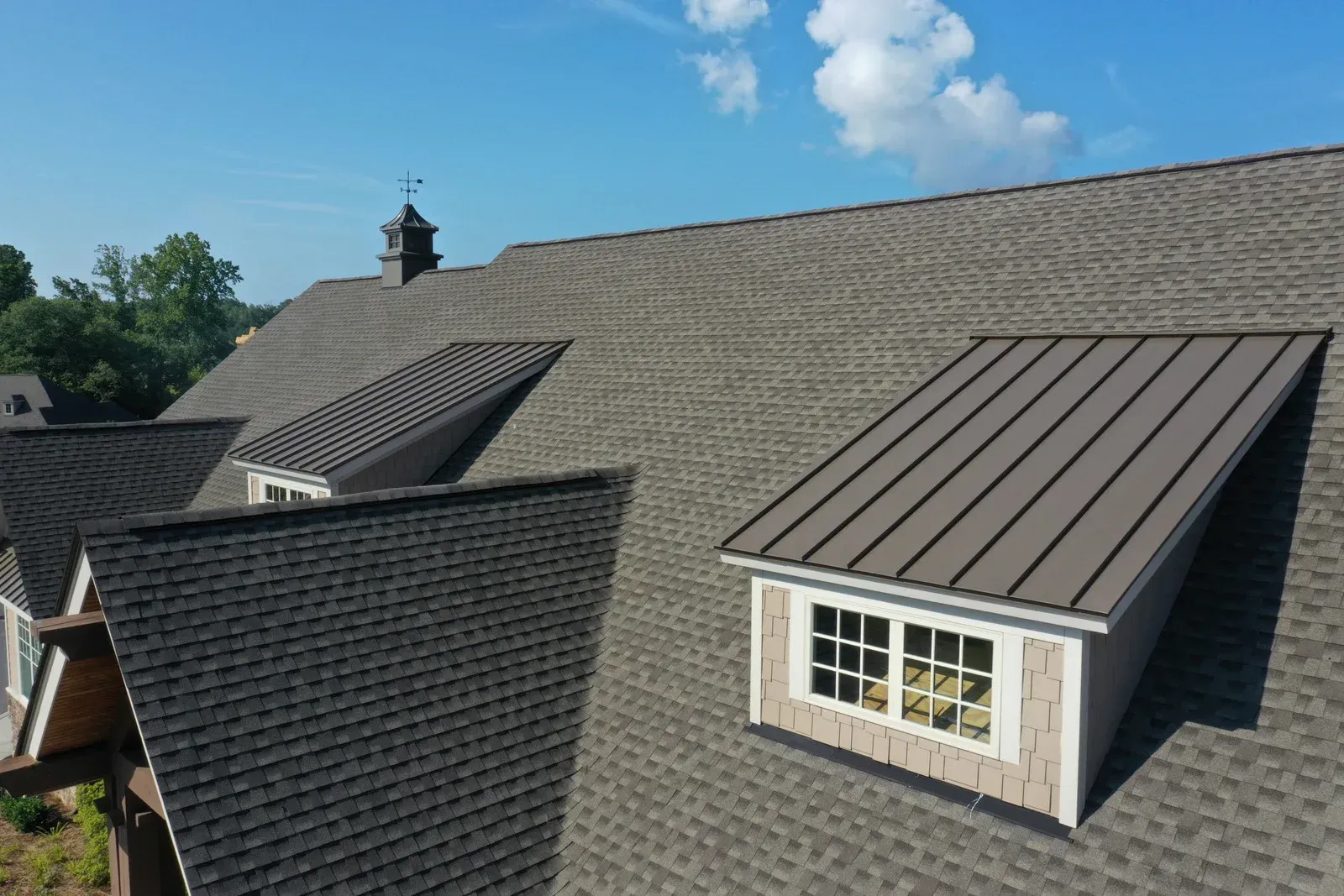
MOSS IS NOT A COSMETIC PROBLEM ON A ROOF.
A moss mat holds water directly against shingles indefinitely, lifts the edges as it grows underneath them, and keeps the surface from ever drying out. On a roof that would otherwise have years left, that shortens life substantially and starts leaks at the laps. Shaded north planes under fir cover here rarely go a full year without it returning.
The instinct to pressure wash it off is worse than the moss. Roofing manufacturers state plainly that high pressure should not be used on asphalt shingles. Removing the granules is worse than leaving the growth.
✓ Moss treated chemically, never pressure blasted
✓ Flashing, valleys, and pipe boots inspected properly
✓ Siding clearance at grade checked and corrected
✓ Rotted boards replaced back to sound framing
ROOFS AND SIDING
MOST LEAKS START AT A DETAIL, NOT IN THE FIELD.
Whole roof surfaces rarely fail first. Water gets in at chimneys, at wall to roof transitions, around pipe penetrations, in valleys, and wherever a previous repair used sealant instead of proper flashing. Those details are also where an honest inspection saves people the most money, because fixing three of them is a completely different proposition from replacing a roof that still has service life left. We look at those first.
SIDING HERE FAILS FROM THE BOTTOM COURSE UP.
Bark mulch gets topped up, beds get built higher, and within a few years the siding that was installed with 6 inches of clearance is sitting in damp material. Fiber cement manufacturers specify that clearance for a reason, and once it is lost the board wicks moisture continuously. We see this constantly around Vancouver, and correcting grade is usually as important as replacing the affected boards.
MOSS TOLD US WHAT THE ROOF WOULD DO NEXT.
You can read a roof from the ground here if you know what the growth patterns mean. Heavy moss on a north plane, clean south exposure, and lifted tabs along the shaded edge is a specific story. Over 4 years of working on homes around Clark County that pattern has been reliable enough that we can usually tell people what they are dealing with before the ladder comes off the truck.
WHAT PROPER ROOF AND SIDING WORK DELIVERS
YEARS ADDED TO THE ROOF
Treating moss and correcting flashing details on a roof with remaining service life defers a full replacement, which is by far the largest exterior expense a house carries.
NO WATER IN THE WALL
Siding and trim repaired back to sound material, with correct clearance restored, stops moisture reaching sheathing and framing where the real damage happens. Sheathing repairs cost far more than siding ever does.
GRANULES LEFT ON THE SHINGLES
Chemical treatment instead of pressure keeps the protective granule layer intact, which is the surface that determines how long an asphalt roof lasts. Once they are gone they do not come back.
PROBLEMS FOUND EARLY
An inspection that looks at valleys, boots, and transitions catches the failing detail while it is a repair rather than after it has soaked a ceiling.
A HOUSE THAT LOOKS CARED FOR
Clean roofing and intact siding are what people actually see. Both read immediately as a property that has been looked after rather than deferred. It is also what buyers notice from the curb.
HONEST REPAIR OR REPLACE ADVICE
Knowing whether a roof has 5 years left or one changes how you plan. You get a straight assessment rather than a push toward the larger job.
WHAT WE PROTECT
OUR ROOF AND SIDING WORK
Exterior envelope work covers a wide range, and most properties need several items. These are the jobs we take on most often for homeowners around Vancouver and Clark County. Several usually turn up on the same walkthrough.
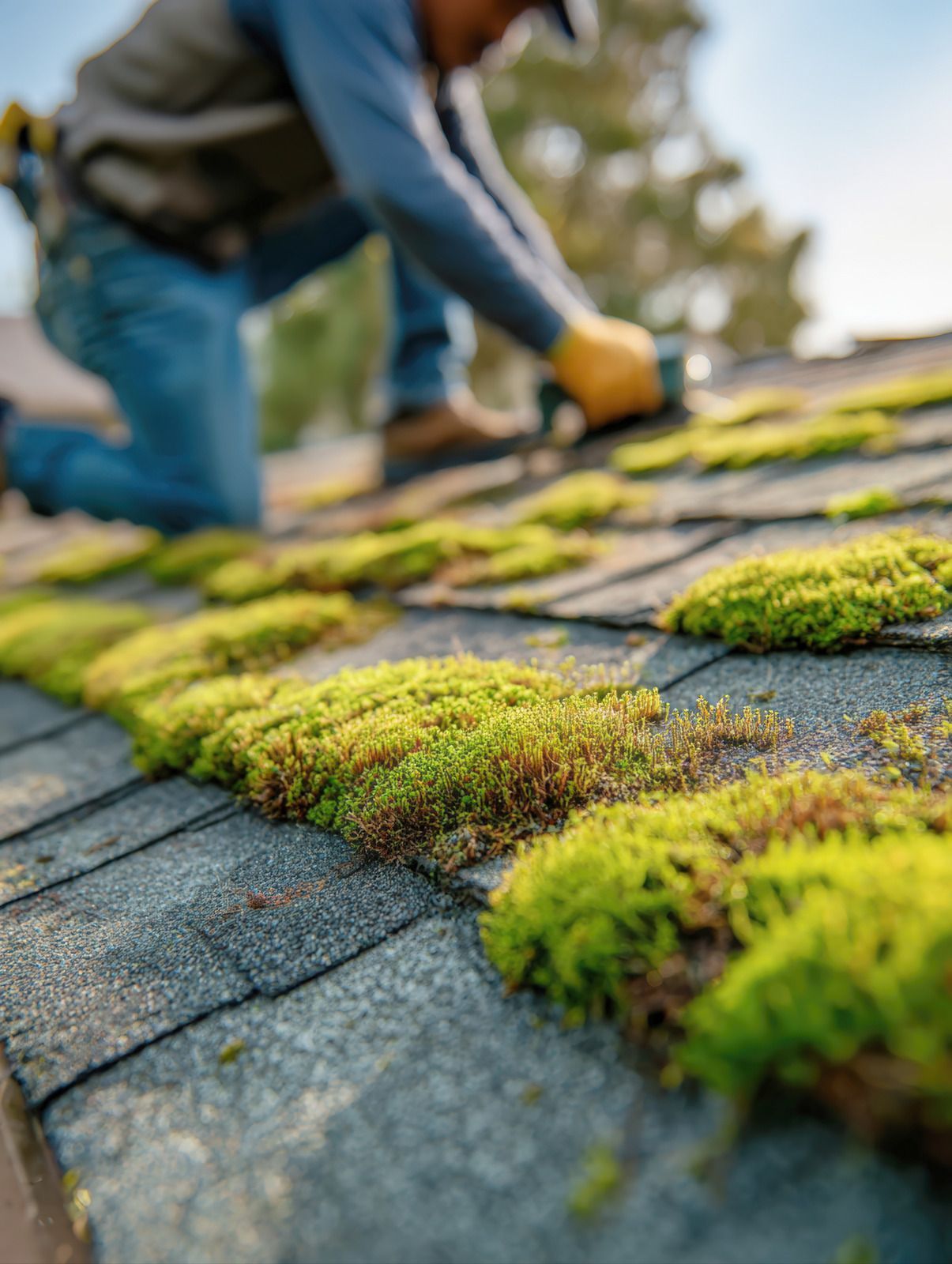
GROWTH
Moss Treatment and Removal
Moss gets treated with an appropriate product and removed gently rather than blasted. Overhanging branches get flagged, since shade is what allows it to reestablish so quickly. Trimming for sunlight does more for the long term than any cleaning.
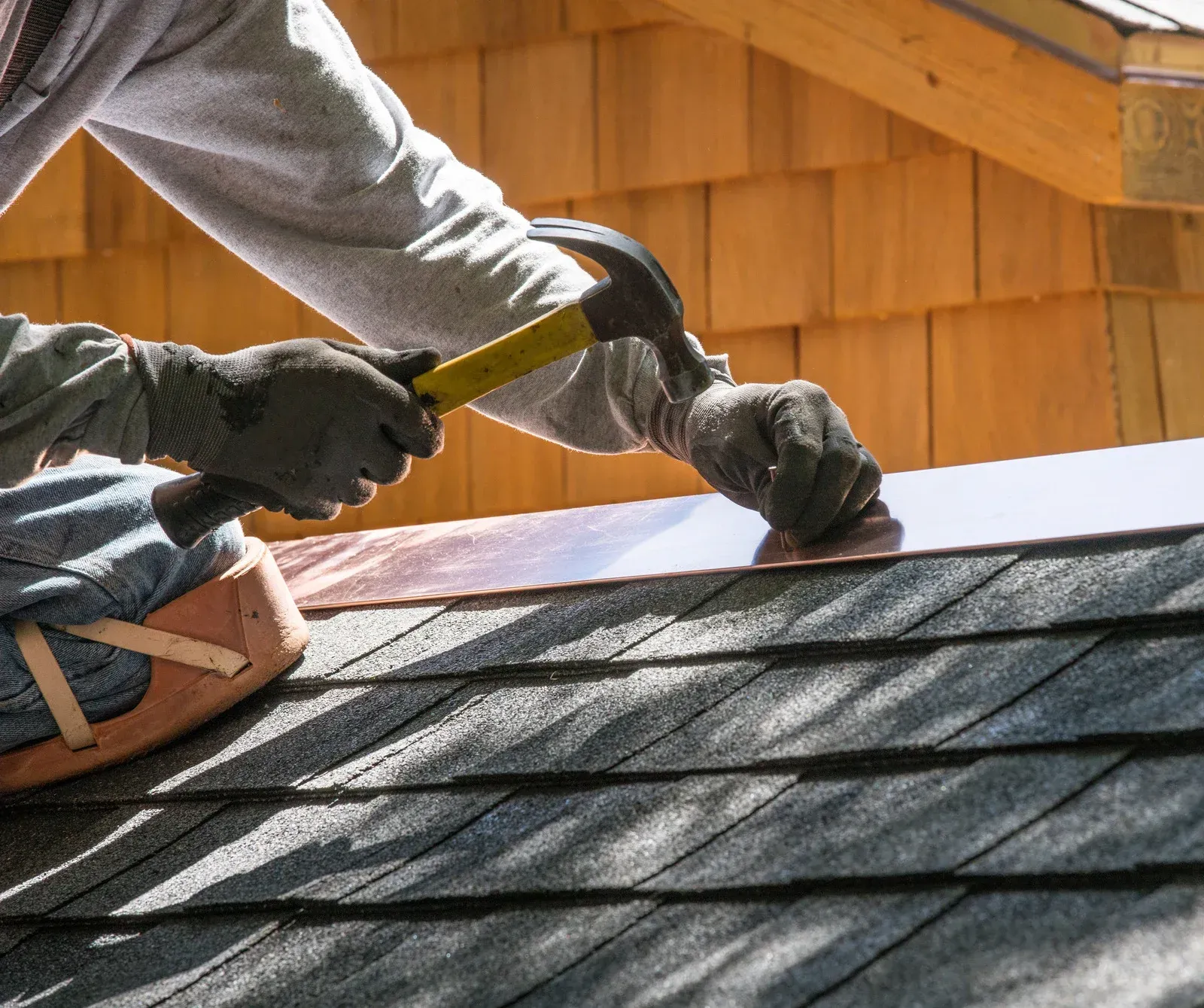
LEAKS
Roof Repair and Flashing
Damaged shingles, failed pipe boots, lifted flashing, and problem valleys get repaired properly. Sealant used as a substitute for flashing on a previous repair gets corrected rather than topped up.
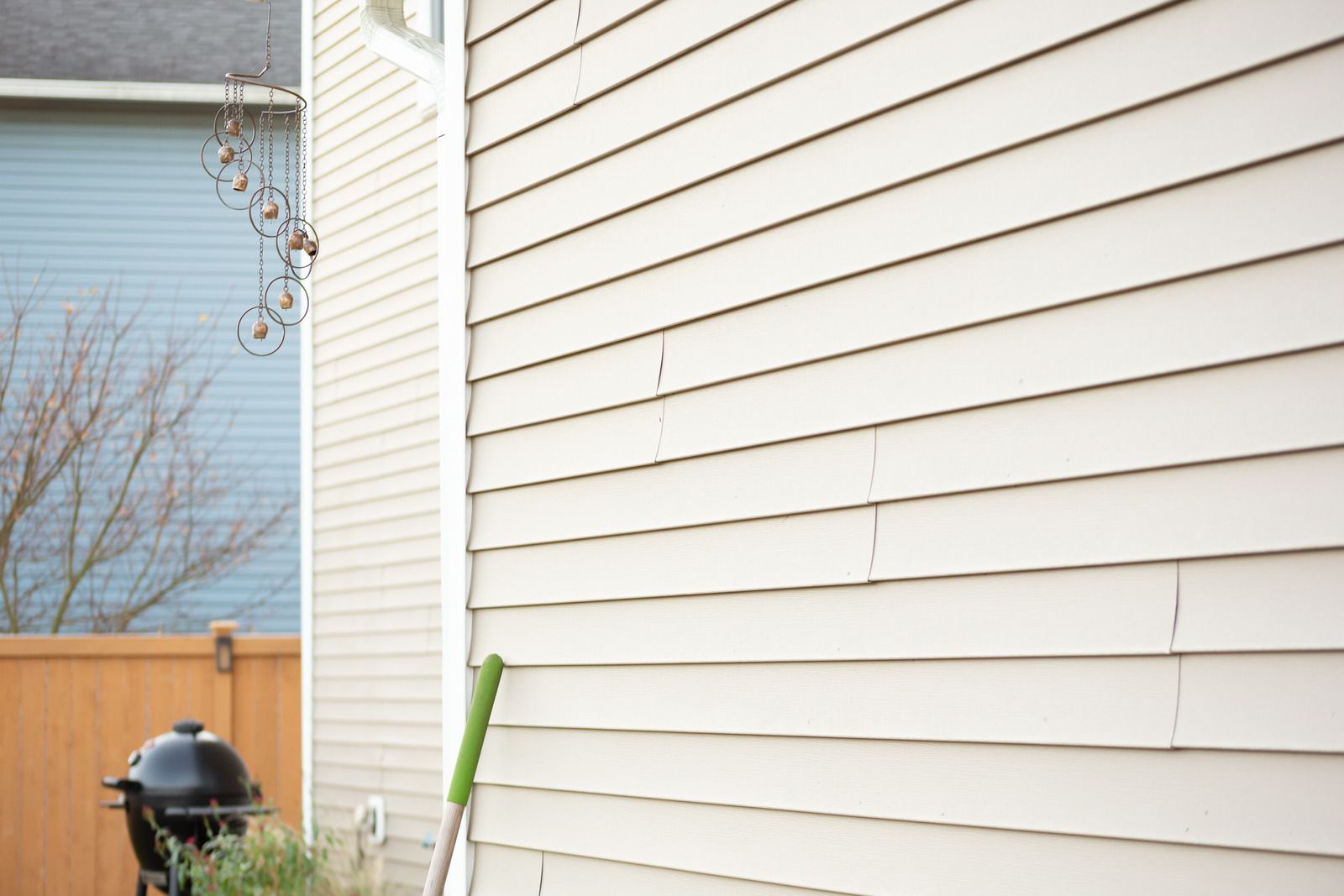
BOARDS
Siding Repair and Replacement
Rotted, cracked, and damaged siding gets cut out back to sound material and replaced with matched product. Underlying sheathing gets checked before anything new goes on. Repairs get primed on all faces before installation, including the cut ends.
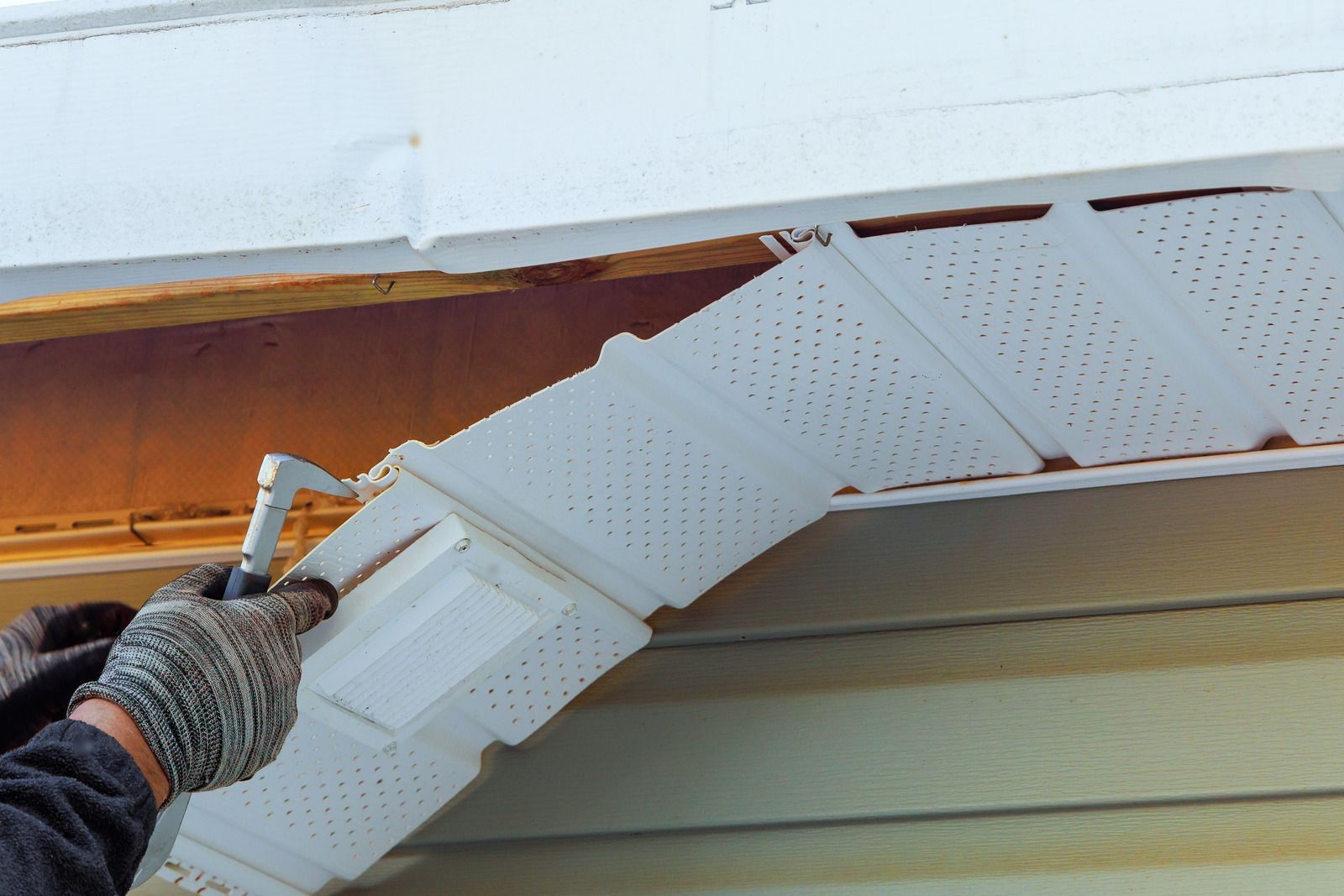
TRIM
Fascia and Trim Repair
Fascia, corner boards, and window trim take the most weather of anything on a house. Soft sections get replaced, primed on all faces, and sealed at every cut end. Gutter condition gets checked at the same time.

GRADE
Clearance Correction
Soil, mulch, and hardscape sitting against siding get pulled back to restore the required clearance, which is often the actual cause behind repeat rot in the same spot. Six inches is the requirement here.

SEALING
Exterior Weather Sealing
Joints, penetrations, and transitions get sealed with the right products while drainage paths stay deliberately open, so water sheds outward rather than getting trapped inside. Sealing the wrong joint traps water in the wall.
THE WORD ON OUR WORK
WHAT OUR CLIENTS SAY.
The most common reaction is relief. A lot of people call expecting to hear they need a new roof and instead get told the roof has years left and three details need attention. That conversation earns more repeat work than anything else we do.
FAQ
FREQUENTLY ASKED QUESTIONS.
Roof and siding questions are mostly about moss, repair versus replacement, and what causes rot. Here is what homeowners around Vancouver ask us most often. Anything specific to your roof is best answered from a ladder.
Does moss on my roof mean it needs replacing?
Not by itself. Moss holds moisture and lifts shingles, but a roof with sound shingles and good flashing can often be treated and kept in service for years afterward. We assess the shingles rather than the growth.
Should I pressure wash my roof?
No. Roofing manufacturers are explicit that high pressure strips protective granules from asphalt shingles, which shortens roof life considerably. Moss should be treated chemically and removed gently instead. Granule loss is permanent and cannot be undone.
How do I know whether I need repair or replacement?
Age, granule loss, curling, and how many separate leak points exist. A roof losing granules everywhere is near the end. A sound roof with three failing details is a repair. TTP Handymen LLC repairs siding across Vancouver, WA.
What causes siding to rot at the bottom of the wall?
Almost always lost clearance at grade. Siding needs 6 inches between it and finished soil. Mulch and beds built up over the years eliminate that and the board wicks moisture continuously. TTP Handymen LLC hears this across Vancouver, WA.
Can you repair one section of siding?
Usually yes. Damaged boards get cut out and replaced with matched material, with the sheathing behind checked first. Whole wall replacement is only needed when damage is genuinely widespread. Matching older profiles is usually possible.
When is the best time to work on a roof here?
The dry summer months for anything involving open work or coatings. Emergency repairs happen year round, but planned work benefits enormously from surfaces that are actually dry. Booking early is worth it, since the dry window fills quickly.
How can I inspect my roof from the ground?
Look for moss patches, dark streaking, lifted or missing tabs, sagging lines, and granules collecting in the gutters. Binoculars from a few angles show more than most people expect. Send us photos if anything looks off to you.
Do I need a permit to re roof?
Re roofing generally requires a permit in Vancouver, and structural work certainly does. Straightforward repairs to a limited area typically do not, and we confirm rather than assume. We check with the city before quoting the work.
HOW WE WORK
FROM GROUND ASSESSMENT TO SEALED DETAIL, HERE IS HOW.
STEP 01
Read it from the ground
Growth patterns, streaking, sag lines, and granule loss in the gutters all tell us a great deal before anybody goes up. That shapes what we are looking for on the roof. It also tells us whether ladder access is realistic.
STEP 02
Inspect the details
Valleys, pipe boots, chimney and wall flashing, ridge, and previous repairs get examined closely. Those are where leaks begin, and where a sealant patch has usually been used instead. Sealant is a repair, not a flashing detail.
STEP 03
Check the siding at grade
The bottom course gets probed and clearance measured against soil, mulch, and hardscape. Repeat rot in one spot nearly always traces back to something sitting against the wall. Probing tells us far more than looking does.
STEP 04
Give a straight assessment
You get told what the remaining service life looks like and whether repair genuinely makes sense, including the case for waiting a season if that is the honest answer. We would rather do three repairs than sell an unnecessary roof.
STEP 05
Treat and repair
Moss gets treated and removed gently, failed details get properly flashed rather than sealed, and rotted boards get cut back to sound material and replaced with matched product. Cut ends and new boards get primed on every face.
STEP 06
Correct the cause
Overhanging branches get flagged, grade gets pulled back from the siding, and drainage gets corrected, so the same repair does not become necessary again in 3 years. Otherwise you are simply buying the same repair twice.
Get Your Free Estimate
FIND OUT HOW MUCH ROOF YOU ACTUALLY HAVE LEFT, FREE.
Plenty of roofs written off as finished have years remaining. Get in touch through the contact page and we will inspect the details, check the siding at grade, and tell you honestly where you stand.
WHAT YOUR EXTERIOR ASSESSMENT COVERS:
✓ Ground level read plus close detail inspection
✓ Valleys, boots, and flashing examined individually
✓ Siding clearance measured at grade
✓ Honest repair versus replacement recommendation
✓ Moss treated chemically, never pressure blasted
✓ Underlying cause corrected, not just the symptom