

Gutter Cleaning
GUTTER CLEANING IN Vancouver, WA
Vancouver collects about 41 inches of rain a year, and more than 6 of those inches land in November alone. Gutters here fill with Douglas fir needles that pack tighter than leaves and slip straight through most guard systems. TTP Handymen handles gutter cleaning across Vancouver, WA, clearing troughs and downspouts by hand, flushing every run, and checking slope, seams, and hangers while we are up there. Debris leaves with us, and the work is licensed and insured to $1 million.

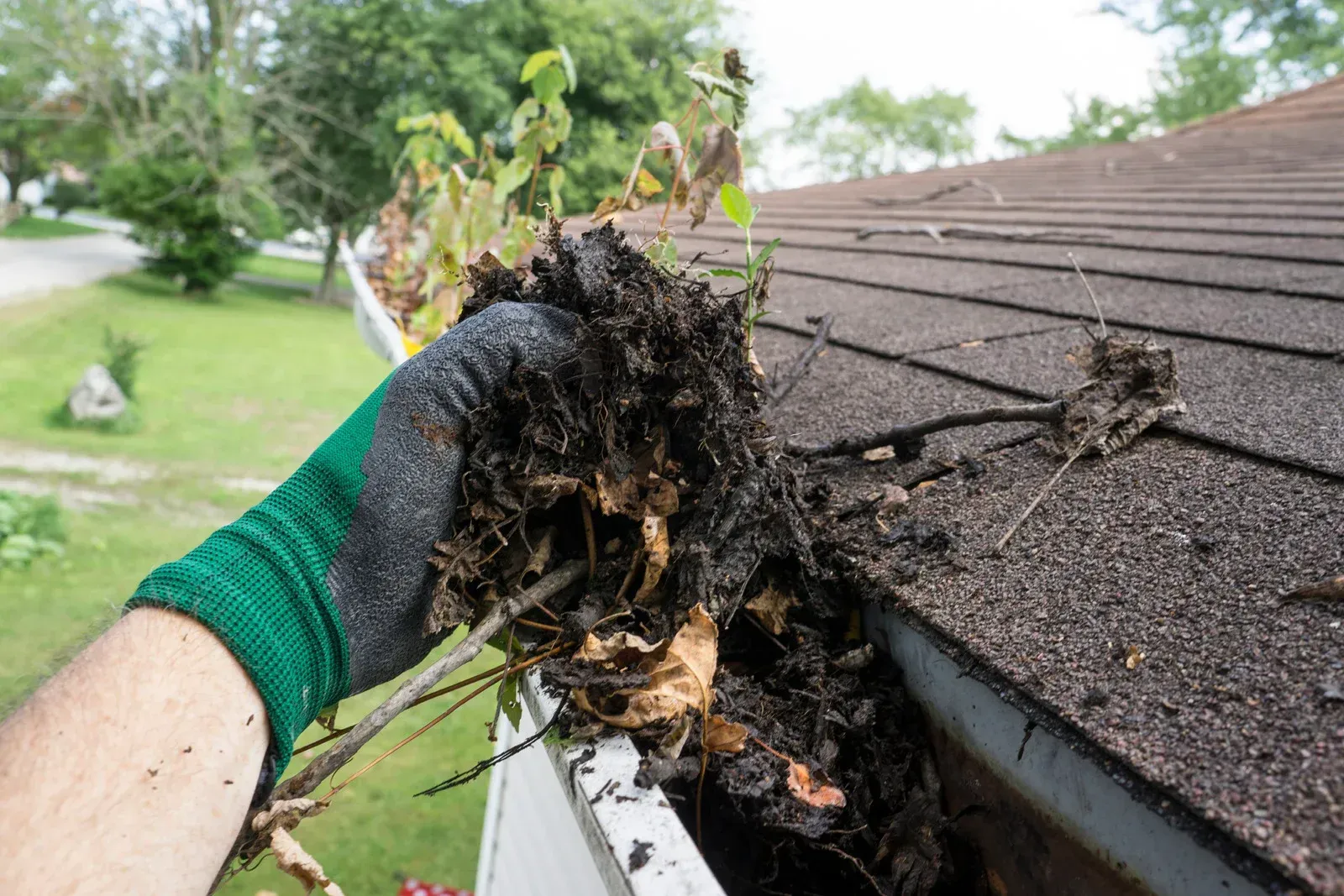
A CLOGGED GUTTER IS A ROOF PROBLEM WAITING FOR WINTER.
Water that cannot reach a downspout goes somewhere worse. It spills behind the fascia, soaks the sheathing edge, freezes in the odd cold snap, and eventually finds the soffit. By the time a stain shows up on an interior ceiling, the damage has been quietly building for several seasons, and the repair has stopped being a cleaning bill.
That is why we treat this as an inspection as much as a cleaning. Anything loose, sagging, separated, or pitched the wrong way gets flagged while the ladder is already set.
✓ Troughs cleared by hand, not blown out onto the siding
✓ Every downspout flushed and confirmed flowing
✓ Slope, seams, hangers, and fascia checked
✓ All debris bagged and hauled off site
GUTTER CLEANING
THE FIRST 20 FEET OF DRAINAGE DECIDES THE NEXT 20 YEARS.
A gutter system only has one job, and it fails quietly. Needles compress into a wet mat that holds water against the metal. Seams open. Spikes back out of the fascia. Downspouts plug at the elbow where nobody can see. We work the whole run rather than scooping the easy sections, because a single blocked elbow puts every gallon from that roof plane onto your foundation instead of into the yard.
SHADED NORTH SLOPES FILL FASTER THAN ANYTHING ELSE HERE.
Homes tucked under firs in Hazel Dell, Felida, and Salmon Creek load up two or three times faster than an open lot. The needles never really stop falling, moss creeps down from the shingles, and the north side stays damp enough that debris turns to sludge instead of drying out. We plan frequency around what your particular roof and tree cover actually do, not a generic calendar.
OVERFLOWING GUTTERS TAUGHT US WHERE TO LOOK FIRST.
After 4 years of clearing gutters on Clark County homes, patterns get obvious. Inside corners plug before straight runs. Downspouts that dump onto a splash block undercut the soil in one wet season. Fascia that feels spongy underfoot is already gone. We call those out with photos rather than mentioning them in passing, so you can decide what to address now and what can reasonably wait until spring.
WHAT A PROPERLY CLEARED SYSTEM DELIVERS
DRY FOUNDATIONS
Water leaving through downspouts instead of over the edge keeps soil around the footing stable, which protects crawl space moisture levels and the framing that sits above them.
INTACT FASCIA AND SOFFIT
Standing water is what rots trim boards. Clearing the trough before the wet season keeps the wood behind it dry and saves a carpentry bill later.
NO LADDER RISK FOR YOU
Wet moss on a roof edge and an aluminum ladder on soft November ground is how people get hurt. Handing that off costs a fraction of an emergency room visit.
FEWER SURPRISE LEAKS
An overflow that runs behind the gutter finds the sheathing edge first. Catching a failing seam or a backed out spike early keeps it from becoming an interior repair.
LONGER GUTTER LIFE
Debris holds moisture against metal and accelerates corrosion at seams and joints. A system cleared on schedule simply lasts significantly longer than one left packed.
A CLEAR PICTURE OF THE ROOF
Being up there anyway means moss, lifted shingles, loose flashing, and failing pipe boots all get spotted and photographed while they are still small enough to be cheap to deal with.
WHAT WE CLEAR
OUR GUTTER CLEANING WORK
Every property drains differently, so the scope shifts with roof pitch, tree cover, and how the downspouts terminate at the ground. These are the pieces we handle on a typical visit, and most homes need several of them together.
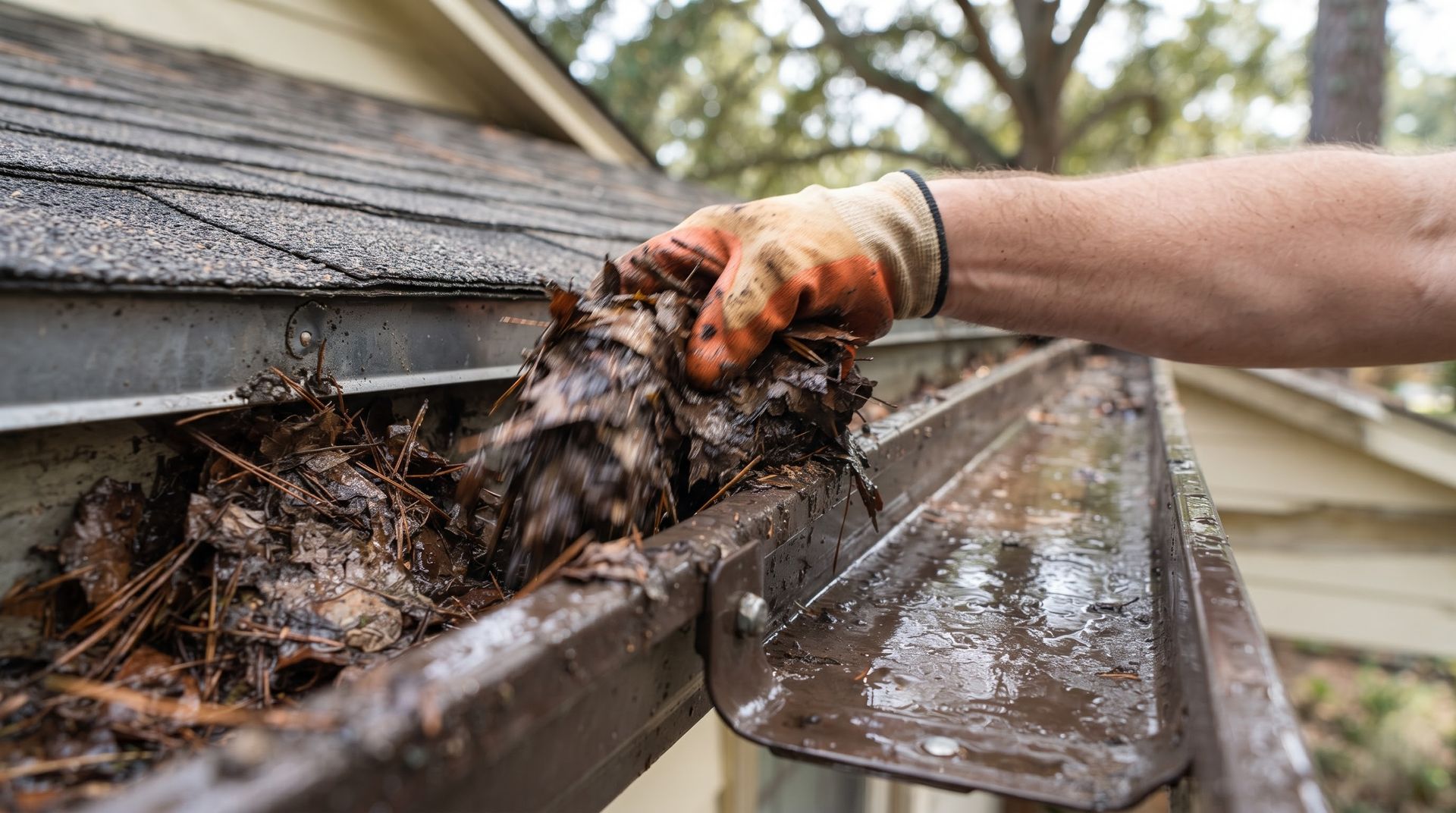
HAND CLEARING
Trough Cleanout
Debris comes out by hand into a bucket rather than being blasted across the roof and siding. Compacted needle mats get lifted whole, and the trough gets wiped down so the next rain runs clean.
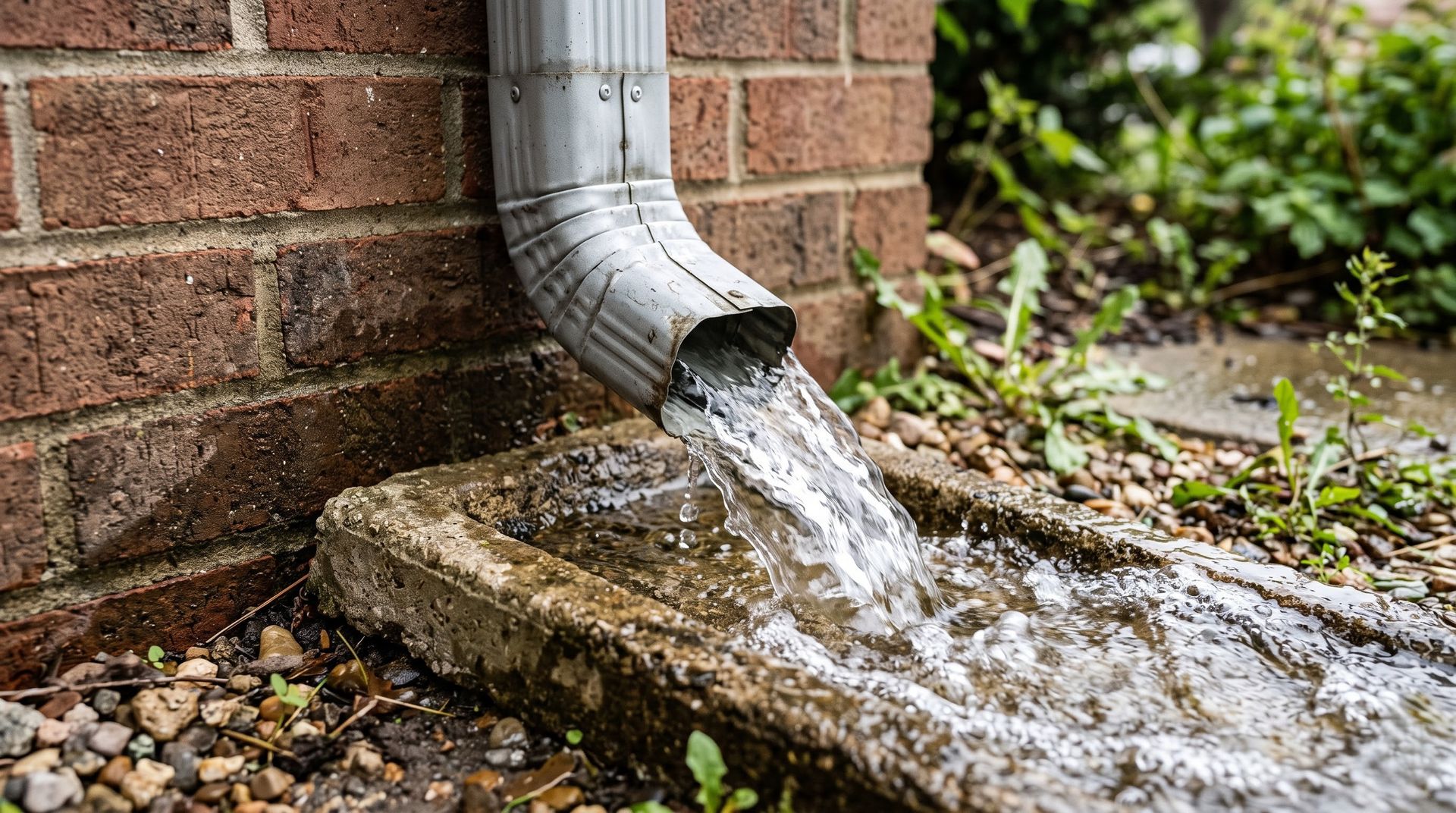
FLOW TESTING
Downspout Flushing
Every downspout gets water run through it and watched at the outlet. Elbow blockages, crushed sections, and disconnected joints show up immediately and get cleared or reconnected on the spot.
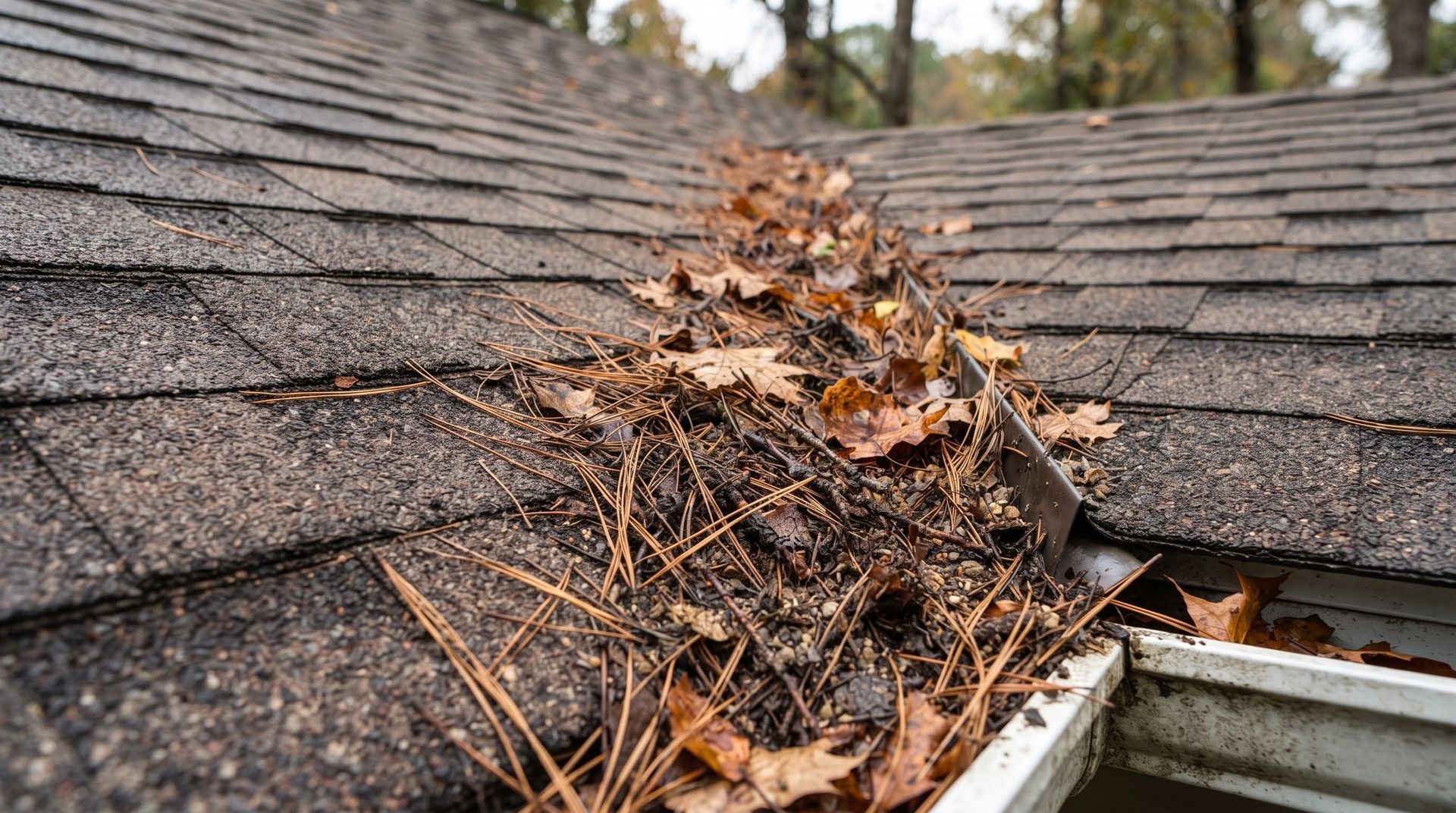
ROOF SURFACE
Roof Debris Removal
Needles and leaves sitting on shingles feed the gutters continuously and hold moisture against the roof. Clearing valleys and low slope sections cuts down how quickly everything fills back up.

HARDWARE
Hanger and Seam Repair
Backed out spikes, sagging brackets, and separated end caps get reset or replaced. Correcting pitch matters as much as clearing debris, since a level gutter holds water no matter how clean it is.
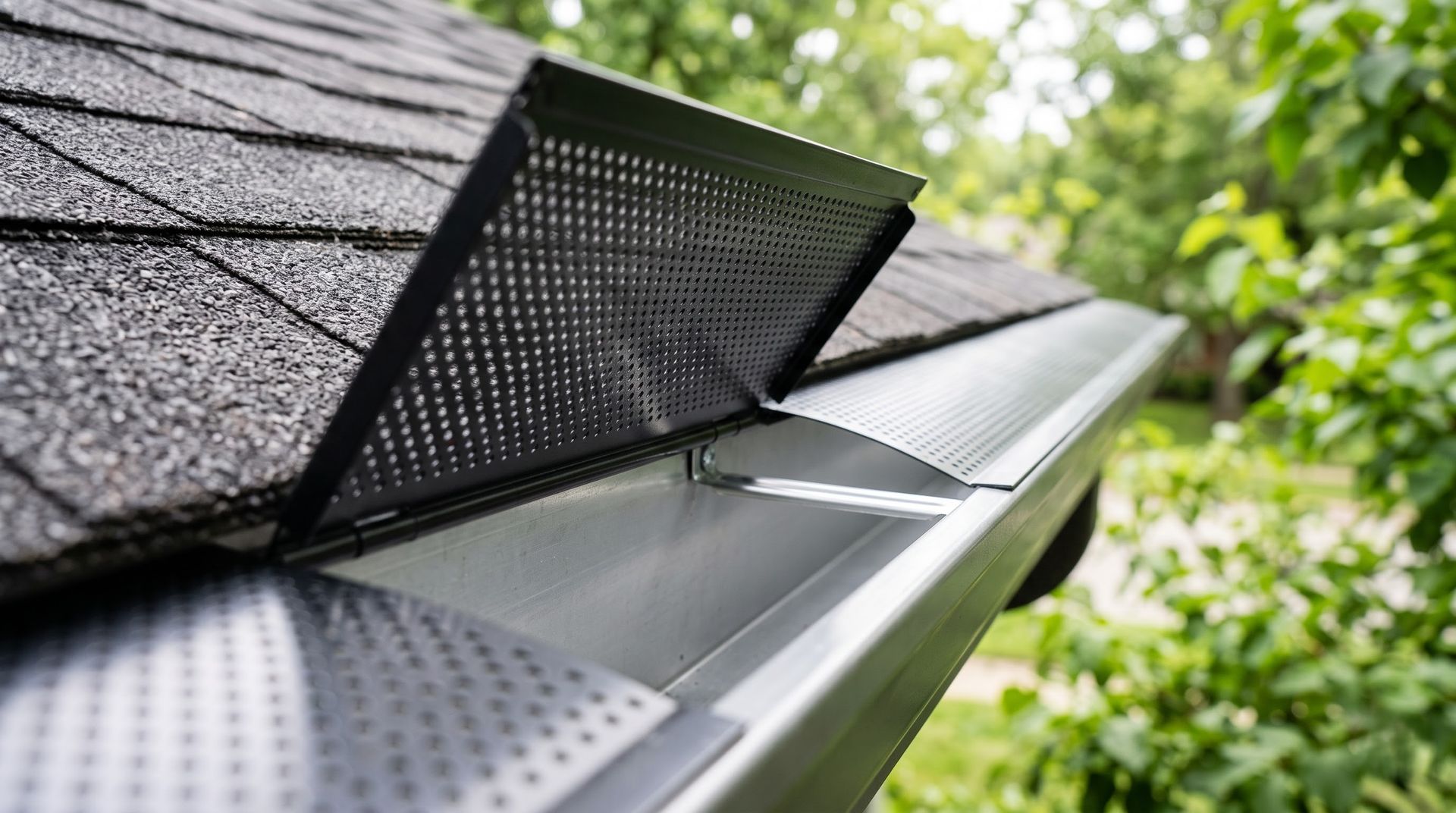
PROTECTION
Gutter Guard Service
Guards still need periodic attention, especially where fir needles are involved. We lift the covers, clear the trough underneath, wash the mesh clean, and reset everything properly instead of leaving fasteners half seated.
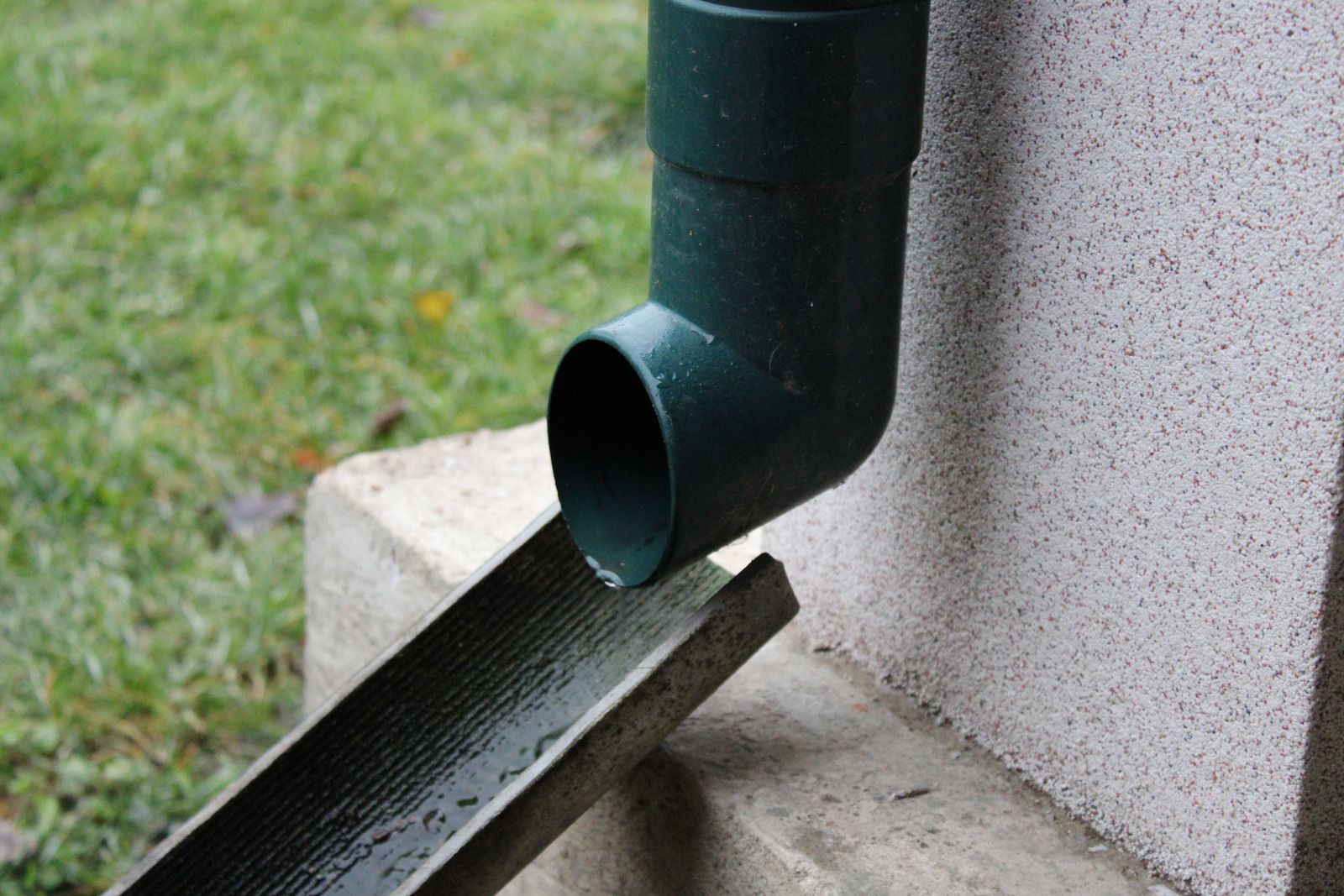
DRAINAGE
Downspout Extensions
Water dropped at the foundation defeats the whole system. We add or reroute extensions to move discharge well away from the wall and out to a safe point in the yard.
THE WORD ON OUR WORK
WHAT OUR CLIENTS SAY.
Most gutter calls come from people who have already tried it themselves once. What they tell us afterward is usually about the parts they could not see from the ladder, the photos, and the fact that nothing was left in the flower beds when we drove away.
FAQ
FREQUENTLY ASKED QUESTIONS.
Gutters get overlooked until they overflow. Here are the questions Vancouver homeowners ask most about frequency, guards, warning signs, and what actually happens during a visit.
How often should gutters be cleaned in this climate?
Twice a year suits most homes here, once in late spring and once in fall before the heavy rain. Properties under heavy fir cover often need a third visit, since needles drop nearly year round.
If I have gutter guards, do I still need cleaning?
Yes. Guards reduce large debris but fir needles, shingle grit, and moss still work through the mesh and build a sludge layer underneath. Guarded systems need the covers lifted and cleared periodically. TTP Handymen LLC services them across Vancouver, WA.
What does a gutter cleaning actually include?
Hand clearing of every trough, flushing and flow testing each downspout, removing roof debris that feeds the system, checking pitch, hangers, and seams, and hauling all waste away. Findings are documented with photos.
Why is water running behind my gutter instead of out the downspout?
Usually a blockage at the elbow, a trough pitched the wrong way, or a gutter pulled away from the fascia. Water then follows the back edge down into the trim, which is where rot starts.
What happens if gutters are never cleaned?
Overflow saturates fascia and soffit, water pools against the foundation, crawl space humidity climbs, and the added weight of wet debris pulls hangers out of the wood. All of it costs far more than the cleaning.
What time of year is best for gutter cleaning?
Late September through October is ideal, once most needles have dropped but before sustained rain arrives. A second visit in late spring clears the seed pods, blossoms, and moss that build up over winter.
Can I just clean the gutters myself?
Many people do. The risks are wet moss on the roof edge, soft ground under a ladder, and missing the parts that matter most, like elbow blockages and pitch problems that are invisible from the top rung.
Do you remove moss from the roof while you are up there?
We flag it during every gutter visit and can treat it as separate work. Moss holds water against shingles and lifts them, and clearing it slows how quickly the gutters refill. Standard work for TTP Handymen LLC around Vancouver, WA.
HOW WE WORK
FROM FIRST LADDER SET TO FINAL FLUSH, HERE IS HOW.
STEP 01
Walk the perimeter
We circle the house before touching a ladder, noting downspout locations, where they terminate, obvious sags, staining below joints, and where the ground has gone soft. That first walk usually tells us where the real trouble already is.
STEP 02
Set up safely
Ladder standoffs go on, footing gets stabilized, and roof access is planned around wet surfaces. Nothing rests directly on the gutter lip, which is how most homeowner cleanings end up bending the front edge of the trough.
STEP 03
Clear by hand
Debris comes out into buckets, section by section, working steadily toward the downspouts. Compacted needle mats get lifted out whole rather than pushed along the trough, so nothing ends up driven down into the outlet.
STEP 04
Flush and flow test
Water goes down every downspout while somebody stands at the outlet and watches. Anything slow, blocked, or leaking at a joint gets opened up and cleared before we move on to the next roof plane.
STEP 05
Inspect and document
Pitch, hangers, seams, end caps, fascia, and the visible roof surface all get checked and photographed. You get told plainly what we found, including anything we would recommend leaving alone for now rather than fixing today.
STEP 06
Clean up and report
Beds, walkways, and the driveway get cleared of anything that came down during the work. Debris leaves with us, and you get the photos plus a plain summary of condition and suggested timing for the next visit.
Get Your Free Estimate
BOOK THE GUTTERS BEFORE THE RAIN BOOKS THEM FOR YOU, FREE.
Fall fills up fast here and the first sustained storm always arrives sooner than people expect. Send us your address through the contact page and we will get you scheduled while the roof is still dry enough to work on safely.
WHAT YOUR GUTTER VISIT COVERS
✓ Every trough cleared by hand
✓ All downspouts flushed and flow tested
✓ Roof debris removed from valleys and low slopes
✓ Pitch, hangers, and seams inspected
✓ Photo documentation of anything we find
✓ Full cleanup and debris haul away