

Doors
DOORS IN Vancouver, WA
Code requires the main egress door of a home to give at least 32 inches of clear width and 78 inches of clear height, with a landing on both sides no more than an inch and a half below the threshold. TTP Handymen LLC handles doors across Vancouver, WA, covering interior swaps, prehung exterior installs, slab hanging, hardware, weatherstripping, and the sticking and latching problems that almost always trace back to a hinge or jamb. Licensed and insured.
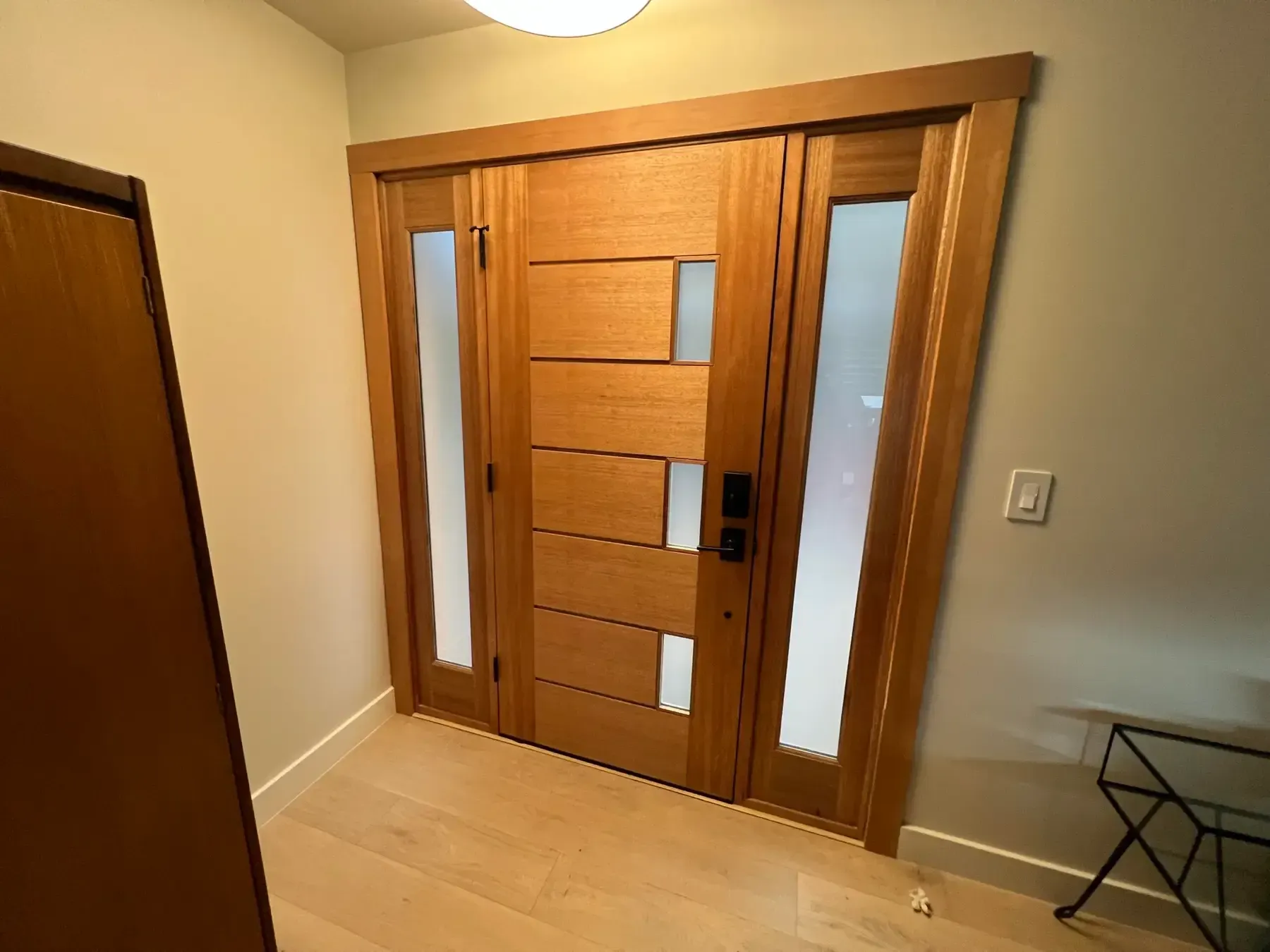
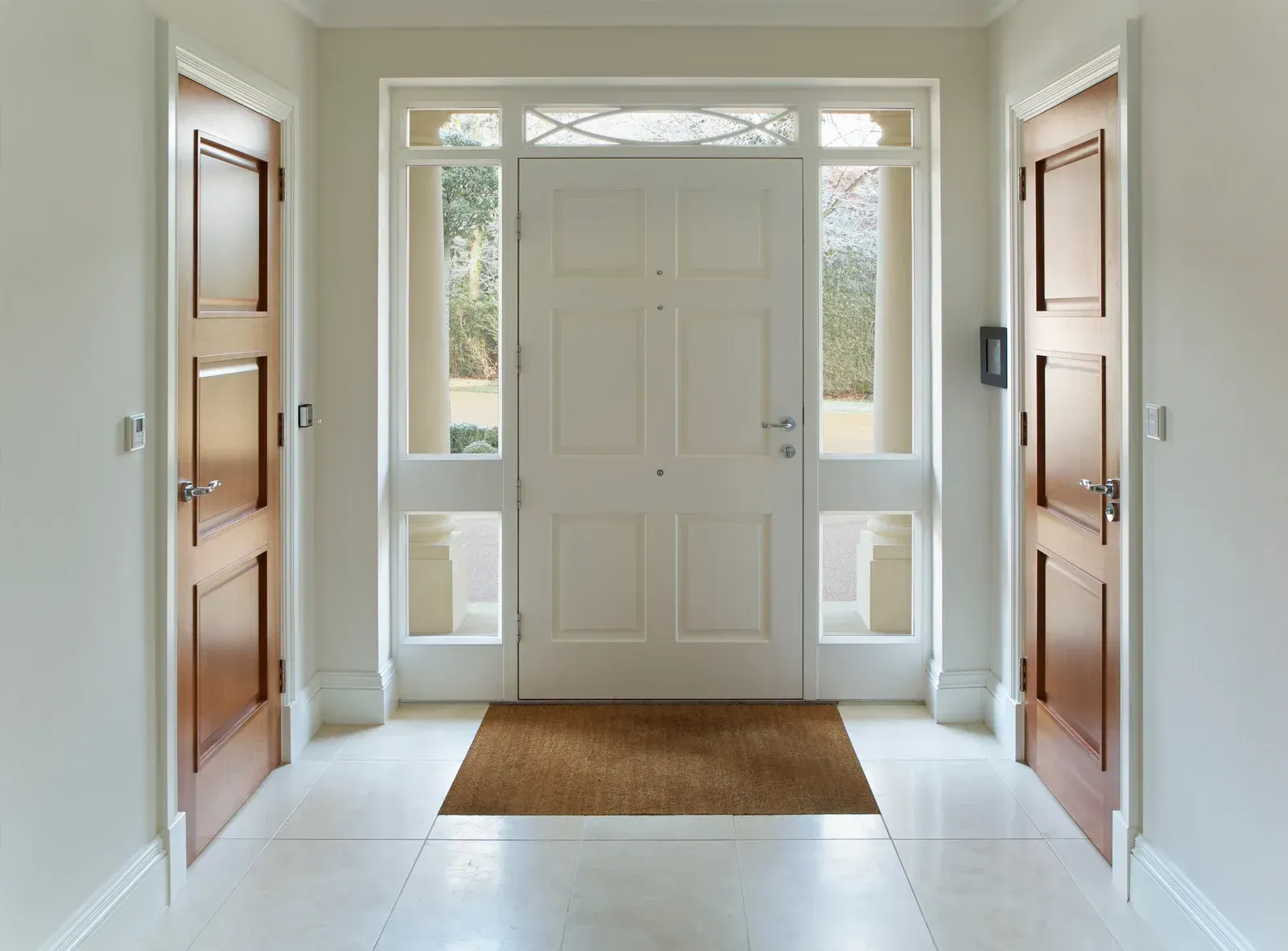
MOST DOOR PROBLEMS ARE NOT THE DOOR.
A door that drags in November and clears fine in July is telling you something about the frame, the floor, or the moisture moving through the wall around it. A latch that will not catch usually means nothing more than a strike plate that has drifted a sixteenth of an inch out of position.
Replacing the slab in either of those cases spends real money on a symptom, leaves the actual cause exactly where it was, and usually means the same complaint comes back with the next wet season.
✓ Diagnosis before replacement, every time
✓ Prehung, slab, pocket, and patio door installation
✓ Hinge, strike, jamb, and threshold correction
✓ Weatherstripping and sweep replacement
DOORS
AN EXTERIOR DOOR IS A HOLE IN THE WALL YOU CHOSE TO MAKE.
Everything about installing one comes back to controlling water and air at that opening. Flashing and pan detail at the sill, correct shimming so the jamb stays straight under load, a threshold that meets the landing at the right height, and weatherstripping that actually compresses. Get any of it wrong and you have a permanent draft, a rotting sill, or a door that binds every time the weather turns.
ROT AT THE BOTTOM OF A JAMB IS ALMOST ROUTINE HERE.
Rain driven against a north or west elevation for months at a time finds any unsealed end grain at the bottom of a door frame. We open up more soft jamb legs and sills in Vancouver than almost anything else, and the fix is rarely just a new door. It means cutting back to sound material, correcting the flashing that let water in, and rebuilding the opening before anything gets hung.
4 YEARS OF HANGING DOORS IN CROOKED OPENINGS.
Almost no rough opening is plumb, square, and level all at once, and older Vancouver houses are worse than most. Shimming a jamb so a door swings true in a frame that is out of plumb is a learned skill, not a matter of following the instruction sheet. That experience is why our doors close with an even reveal and stay that way through the first wet season instead of needing an adjustment call in January.
WHAT A PROPERLY HUNG DOOR DELIVERS
NO MORE DRAFTS
A door sealed and swept correctly closes off one of the largest single air leaks in a house, which shows up immediately in comfort near the entry.
SECURITY THAT HOLDS
Correct strike reinforcement and solid jamb fastening matter more than the lock itself. A properly installed frame resists forced entry far better than hardware alone.
SMOOTH, QUIET OPERATION
A door that swings without dragging, latches on the first push, and stays where you leave it removes a small daily irritation you stop noticing only once it is gone.
PROTECTED FRAMING
Proper flashing and threshold detail keep water out of the sill and the wall below it, preventing the rot that turns a door job into a framing repair.
BETTER FIRST IMPRESSIONS
The entry is what visitors actually touch. A door hung square with even reveals and clean hardware changes how the whole front of a house reads.
LOWER ENERGY USE
Doors make up roughly a tenth of the air leaking from a typical home, so sealing that opening properly has a measurable effect on heating costs.
WHAT WE FIT
OUR DOOR WORK
Doors come to us in every condition, from a fresh opening in a remodel to a 50 year old frame that has quietly given up. These are the jobs we take on most.
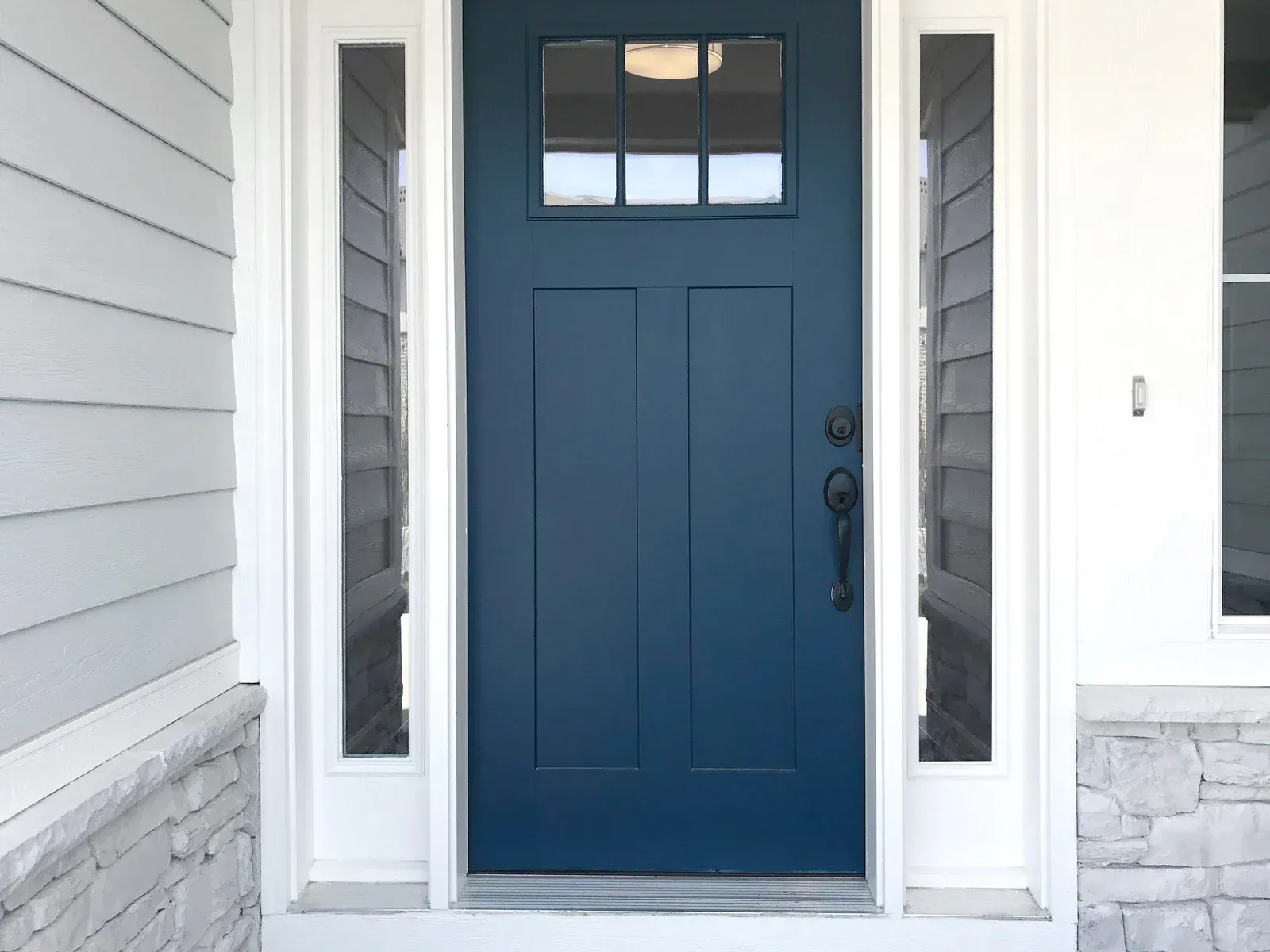
FULL UNIT
Prehung Door Installation
The frame, jamb, and slab arrive as one assembly and get set plumb, shimmed, fastened, and flashed. This is the cleanest route for exterior replacements and any opening with a damaged frame.
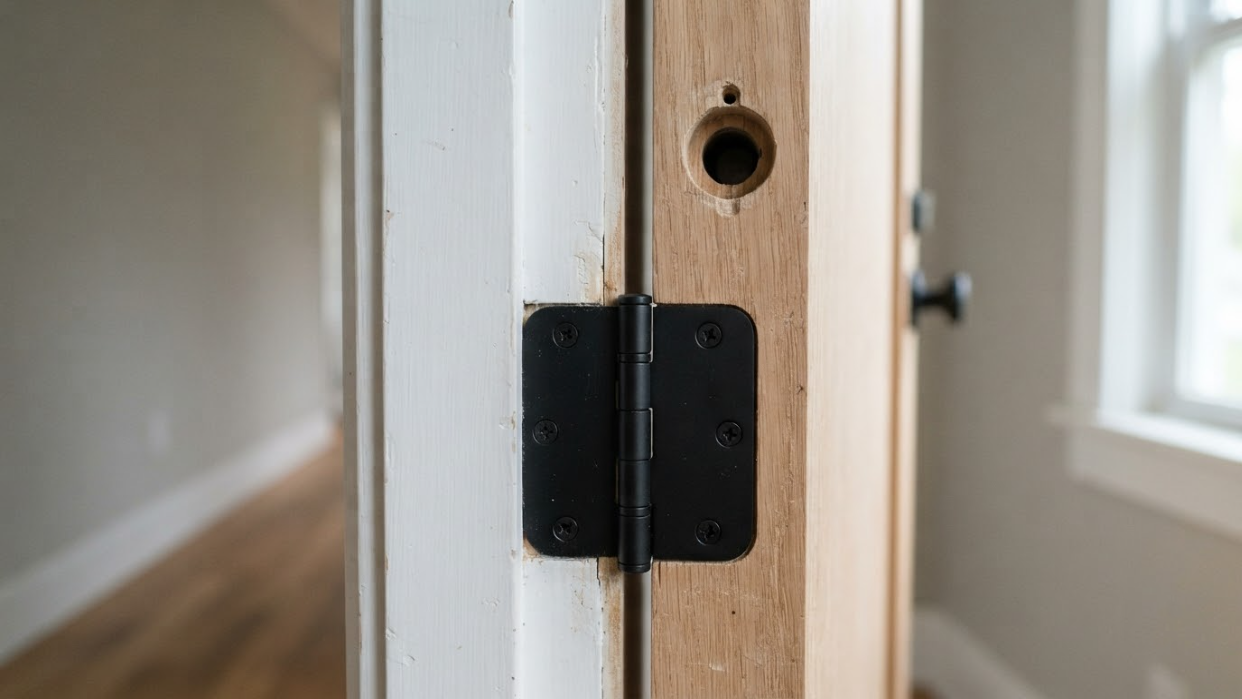
SLAB SWAP
Slab Door Hanging
Reusing a sound existing frame means mortising hinges, boring for hardware, and trimming the slab to fit an opening that is rarely perfectly square. It saves both money and trim work.
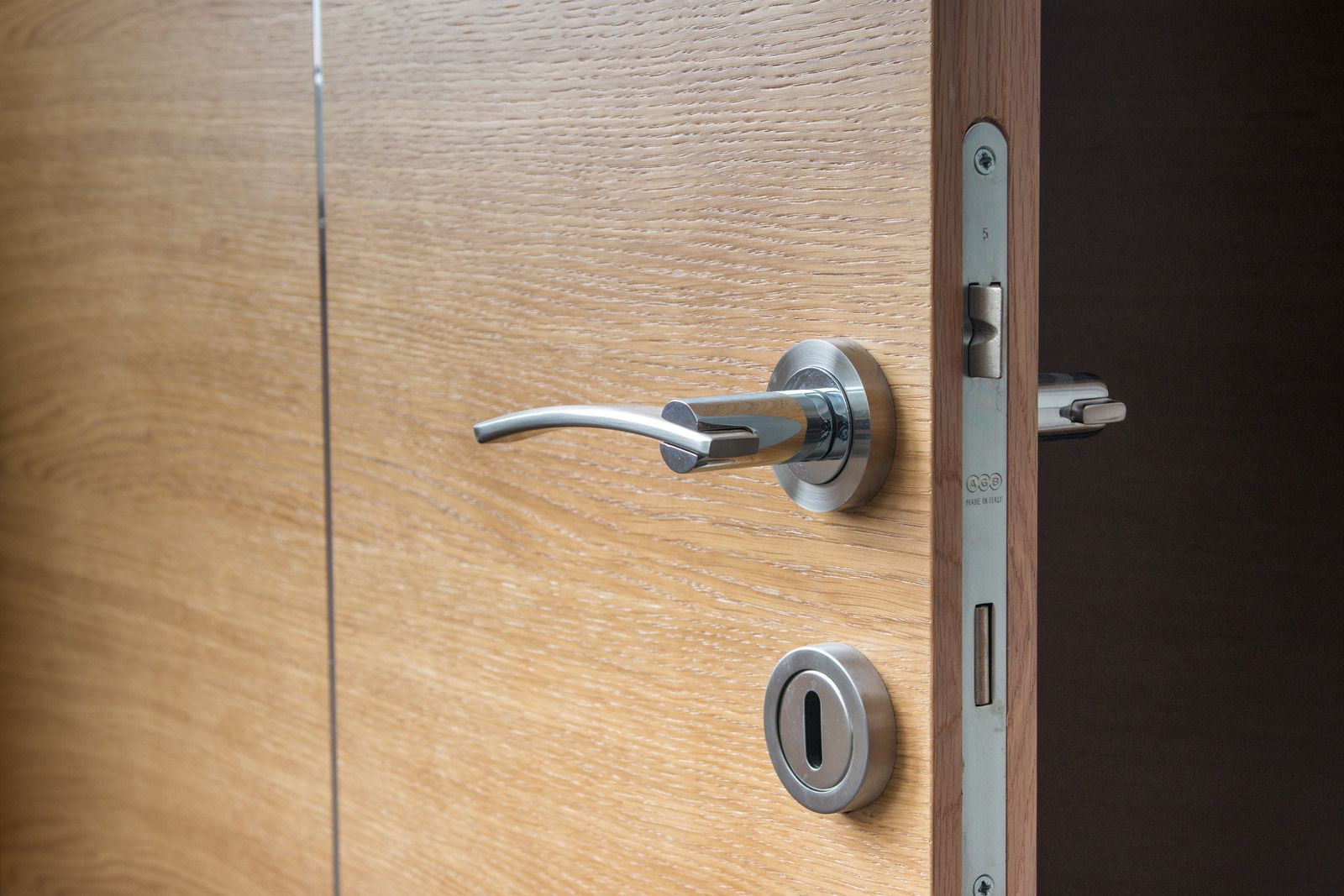
HARDWARE
Locks, Handles, and Closers
Deadbolts, levers, smart locks, and door closers get installed with the correct backset, reinforced strike plates, and long screws driven into the framing rather than into jamb material alone, which is what actually resists force.
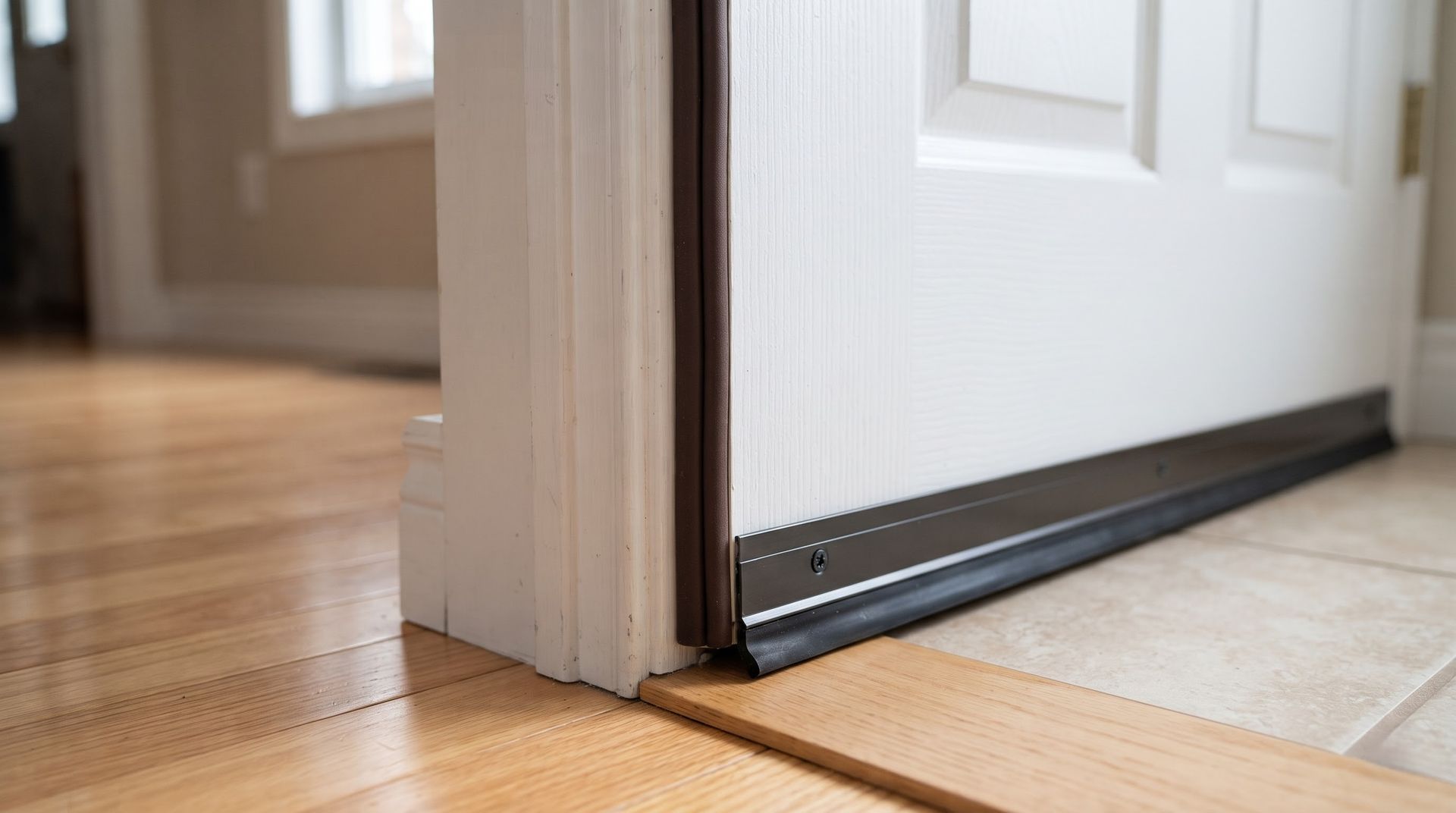
WEATHER SEAL
Weatherstripping and Sweeps
Compressed, torn, or missing seals get replaced and adjusted so the door contacts evenly along its whole length and across the threshold. This is easily the cheapest comfort improvement available on most entries.
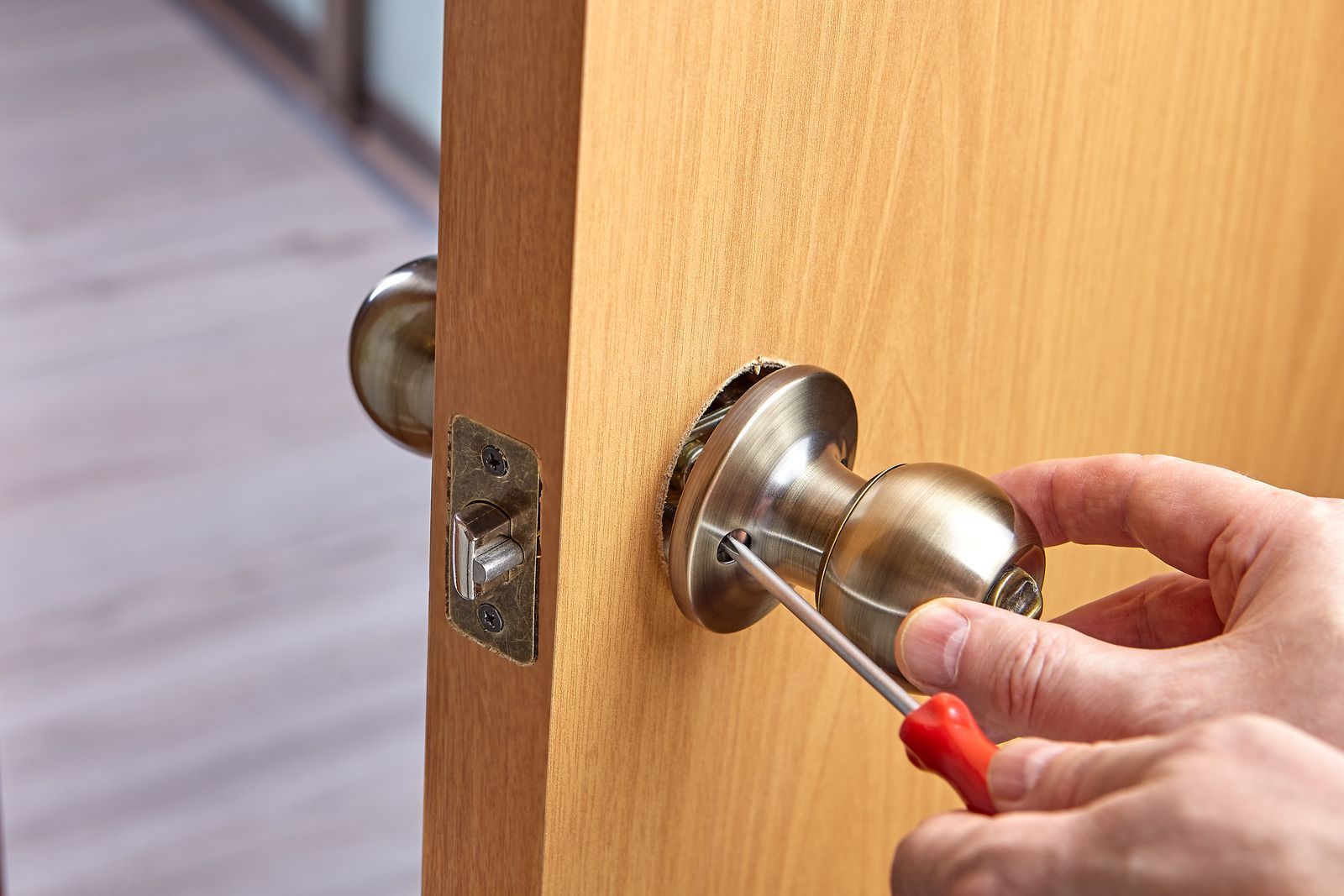
ADJUSTMENT
Sticking and Latch Repair
Sagging hinges, drifted strike plates, swollen slabs, and racked frames get diagnosed and corrected. Most of these calls get resolved inside a single visit without any new materials at all.
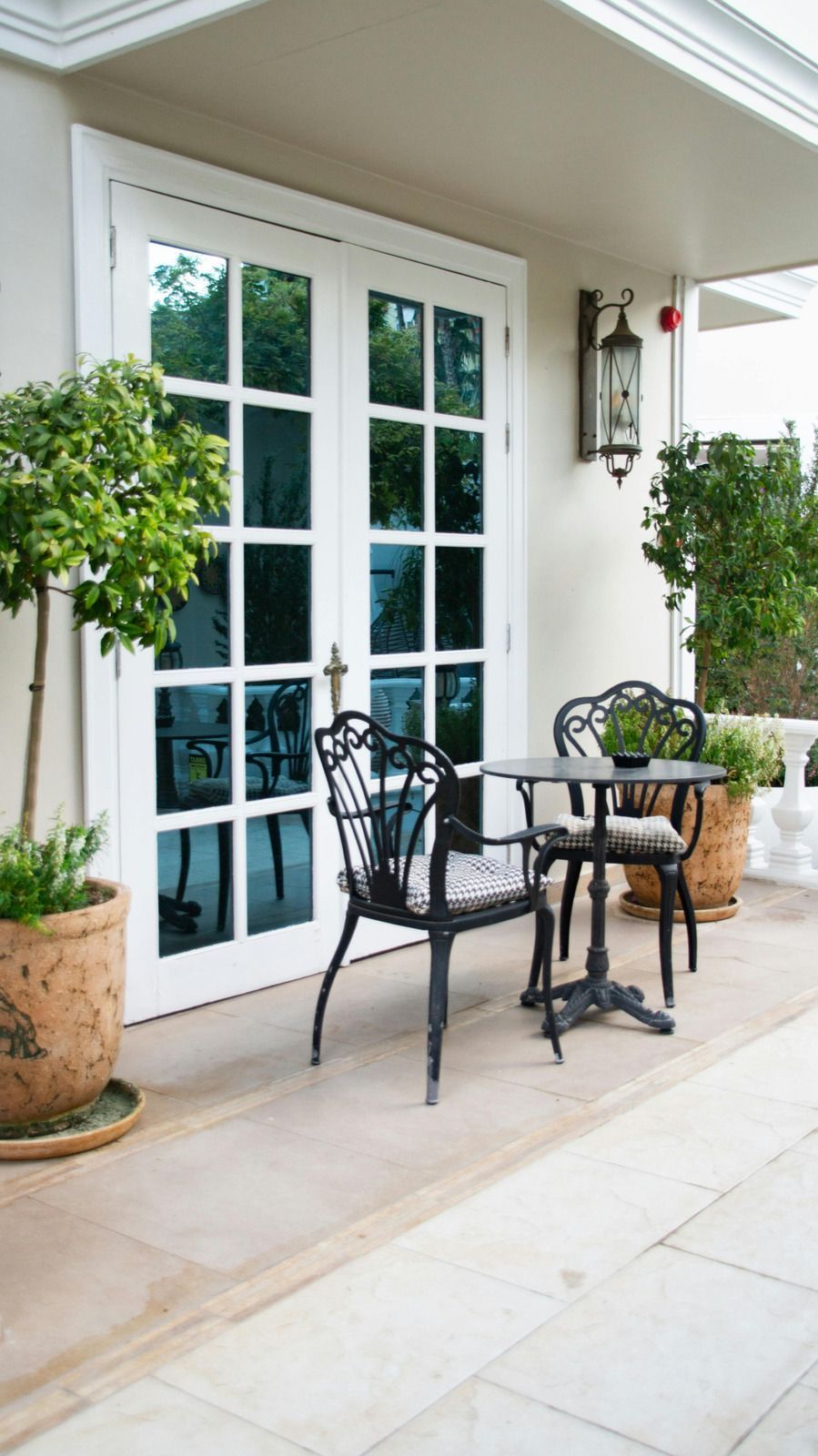
GLASS AND SCREEN
Patio and Storm Doors
Sliding patio doors that fight you, failed rollers, out of track panels, torn screens, and storm door closers all get repaired or replaced depending on what the frame will support.
THE WORD ON OUR WORK
WHAT OUR CLIENTS SAY.
A surprising number of our door calls start with someone assuming they need a full replacement. The feedback we hear most often is about being told honestly that a hinge adjustment and a new sweep would solve the whole complaint instead.
FAQ
FREQUENTLY ASKED QUESTIONS.
Door questions tend to be about whether repair is possible, what installation actually involves, and why a door behaves so differently in winter than it does in summer. Here are straight answers.
Should I repair or replace my door?
If the slab is sound and the frame is solid, adjustment and new seals usually solve it. Replacement makes sense when the jamb is rotted, the slab is warped, or the unit is badly out of square.
What is the difference between a prehung door and a slab?
A prehung comes mounted in its own frame with hinges attached and gets installed as a complete unit. A slab is just the door panel and gets fitted into an existing frame.
Why does my door stick in winter and work fine in summer?
Moisture. Wood doors and frames absorb humidity and swell through the wet months, then shrink again as things dry out. Persistent binding usually means the frame itself has also shifted. TTP Handymen LLC rehangs doors across Vancouver, WA.
Can a sagging door be fixed without replacing it?
Almost always. Sagging usually comes from loose hinge screws stripping out of the jamb, and driving longer screws through into the framing behind pulls the whole door back into alignment.
What causes rot at the bottom of a door frame?
Water running down the face of the door or the trim reaches unsealed end grain at the base of the jamb and sits there. Missing flashing, a poor threshold, or splash back from a hard surface all contribute.
Do I need a permit to replace an exterior door?
Replacing a door in an existing opening generally does not require one. Changing the size of the opening, which means altering framing and headers, does trigger a permit in Vancouver.
How do I stop a draft around my entry door?
Start with the weatherstripping and the sweep, then check the threshold height and whether the door contacts the seal evenly all the way around. Adjusting the strike often improves compression too.
How long does installing a door take?
An interior slab or hardware change often takes under 2 hours. A prehung exterior replacement with flashing, trim, and finish work typically runs most of a full day per opening. Nothing unusual for TTP Handymen LLC in Vancouver, WA.
HOW WE WORK
FROM STICKING DOOR TO CLEAN REVEAL, HERE IS HOW.
STEP 01
Diagnose the opening
Before quoting anything, we check the frame for plumb, the floor for level, the hinges for wear, and the jamb for soft spots. That determines whether this is a repair or a replacement.
STEP 02
Confirm the scope
You get told exactly what we found and what each available option involves, including the honest version where a longer screw and a careful adjustment solve the entire complaint on the spot in about 20 minutes.
STEP 03
Prepare the opening
Old units come out carefully rather than being pried loose, damaged jamb or sill material gets cut back to sound wood, and flashing gets corrected before anything new is set into the opening.
STEP 04
Set plumb and shim
The unit gets positioned, checked for plumb in both planes, and shimmed solidly at every hinge and strike point. This single step is what determines whether the reveal stays even a year from now.
STEP 05
Hardware and seals
Hinges, strike plates, deadbolts, and handles get installed with the proper backset and long fasteners reaching into the framing behind the jamb. Weatherstripping and sweeps are then adjusted for even contact all the way around.
STEP 06
Test and finish
The door gets opened and closed repeatedly, checked for latch engagement and an even reveal top to bottom, then trimmed, caulked where appropriate, and the work area swept and cleaned up behind us.
Get Your Free Estimate
STOP SHOULDERING THE DOOR SHUT, FREE.
Whether it is a sticking bedroom door or an entry that needs replacing outright, we will tell you which one you actually have. Reach us through the contact page and we will take a look and price it.
WHAT YOUR DOOR QUOTE COVERS
✓ Full diagnosis of frame, floor, and hardware
✓ Honest repair versus replacement recommendation
✓ Rot and flashing correction where needed
✓ Plumb setting and full shimming
✓ Hardware, weatherstripping, and sweep adjustment
✓ Trim, caulking, and cleanup included