

Decking
DECKING IN Vancouver, WA
A deck walking surface more than 30 inches above grade needs a guard at least 36 inches high that will not pass a 4 inch sphere, and Vancouver waives the building permit only when the deck sits 18 inches or less above grade. TTP Handymen handles decking across Vancouver, WA, replacing boards, joists, posts, and railings, rebuilding failed ledger connections, and staining once the wood is dry enough to actually absorb it. Free estimates, licensed and insured.
DECKS FAIL FROM THE INSIDE, STARTING AT THE HOUSE.
Nobody notices a deck going bad from the top. The failures that matter happen at the ledger where the frame bolts to the building, at the base of posts sitting in wet soil, and inside joist tops where water collects under the decking. All three are invisible from a chair on a warm summer afternoon.
That is where our inspection starts, because a beautiful new surface fastened to a rotten frame is not a finished deck. It is a serious safety problem dressed up nicely.
✓ Ledger connection and flashing checked before anything else
✓ Post bases, footings, and beam bearing inspected
✓ Joist tops probed for soft, saturated wood
✓ Guard height and spacing verified against code
DECKING
8 MONTHS OF RAIN ARE THE REAL TEST OF A DECK BOARD.
Wood outside in this climate spends most of the year damp. Rain sits in fastener holes, wicks into cut ends, and soaks the flat top of every joist under the boards. A deck that would last 30 years in a dry climate can be spongy here in 12 if the flashing, the drainage, and the finish are not right. We build and repair with that in mind rather than to a generic span table.
SHADE AND MOSS DO AS MUCH DAMAGE AS THE RAIN.
Decks under fir cover here almost never dry out. Moss establishes in the board gaps, holds water directly against the wood, and turns the whole surface genuinely slippery from October onward. Clearing the gaps, opening up the tree canopy where possible, and keeping a finish on the wood matter more locally than the species you choose. We deal with the cause, not just the green.
ROTTEN LEDGERS ARE THE FIRST PLACE WE CHECK.
Over 4 years of deck work in Clark County we have pulled enough trim to know that the ledger board is where the trouble usually hides. Missing flashing, lag bolts into sheathing instead of rim joist, and caulk used as a substitute for a proper drainage detail all show up regularly. We would rather find it now, with a pry bar, than have you find it later with the whole deck attached to it.
WHAT A SOUND DECK DELIVERS
CONFIDENCE UNDERFOOT
A frame you know is solid changes how you use the space. No bounce, no soft spot near the rail, and no quiet worry when a dozen people are out there at once.
YEARS OF ADDED LIFE
Catching a failing ledger, a wet joist, or a post base before it spreads turns a full rebuild into a targeted repair, which is a completely different scale of project.
A SAFER RAILING
Guards at the correct height with proper spacing and solid post connections are what actually stop a fall. Loose rails are the most common defect we find.
GRIP IN WET WEATHER
Clearing moss from board gaps and keeping a finish on the surface removes the slick layer that makes a shaded deck genuinely hazardous 8 months a year.
A FINISH THAT LASTS
Stain applied to properly dried wood at the right temperature penetrates instead of sitting on top, which is the whole difference between 2 seasons and five.
MORE USABLE SPACE
A deck you are not embarrassed by is a deck you actually use. Outdoor living space here is limited enough already without losing it to soft boards.
WHAT WE REBUILD
OUR DECKING WORK
Decks arrive in every condition, from a surface that needs a wash and a coat to a frame that has to come apart. These are the pieces of the job we handle most often.
SURFACE
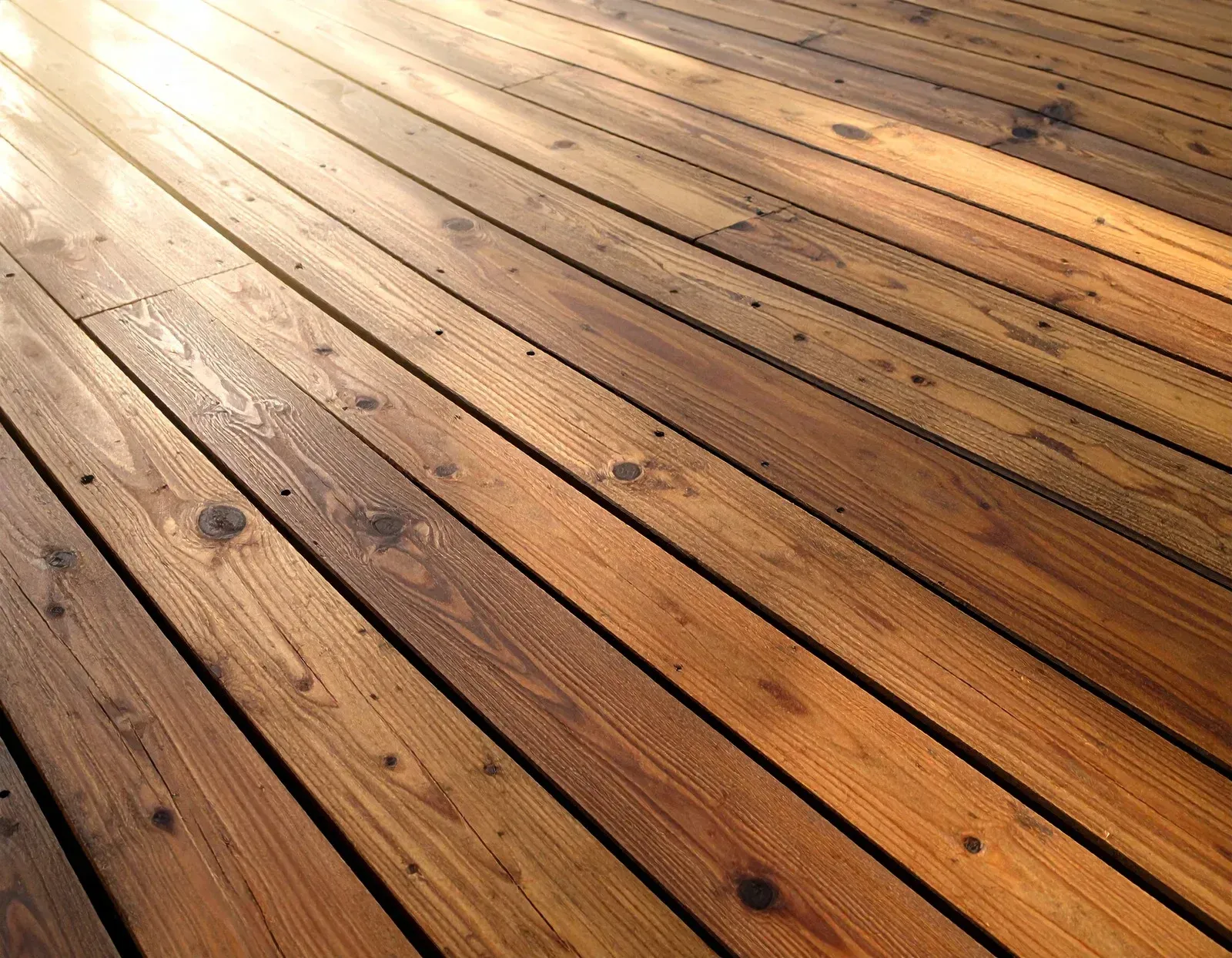
Deck Board Replacement
Cupped, split, and soft boards get pulled and replaced with matched material. Fasteners get set below the surface and cut ends sealed, since end grain is where water gets in fastest.
STRUCTURE
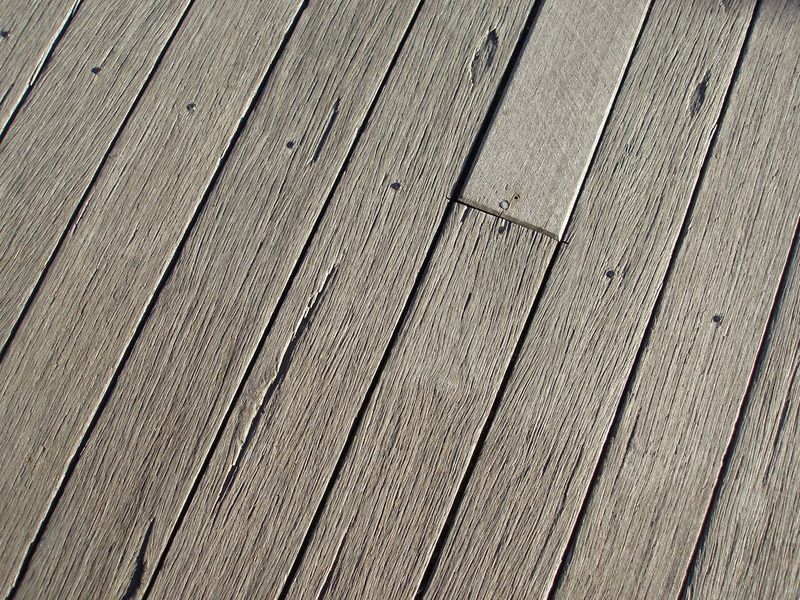
Joist and Beam Repair
Soft joist tops get capped with membrane or have sister joists added alongside them, and failed beams get replaced with correct bearing. Structural repairs always happen before new decking goes down, never after.
CONNECTION
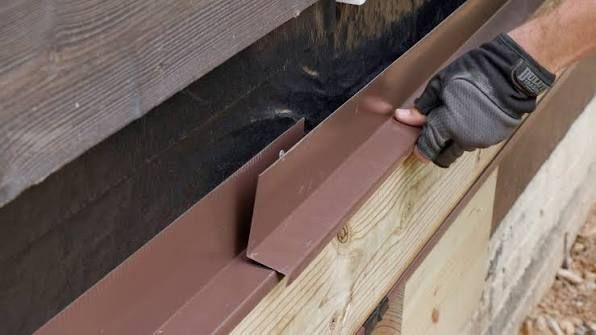
Ledger and Flashing Repair
The board tying your deck to the house gets opened up, inspected, refastened with the correct hardware, and properly flashed so that water sheds outward instead of running down into the rim joist behind it.

SAFETY
Railing and Guard Work
Loose posts, low guards, and wide baluster spacing all get corrected to current requirements. Guard posts get through bolted properly rather than relying on fasteners driven into end grain that will eventually pull out.

FOOTINGS
Post and Footing Repair
Posts rotting where they meet concrete or soil get cut back to sound wood and reset on proper standoff bases, which lifts the end grain up out of standing water permanently.
FINISH
Cleaning and Staining
Surfaces get washed, allowed to dry properly, then stained inside the temperature window the product actually needs. New wood usually has to weather for several months first before it will absorb anything at all.
THE WORD ON OUR WORK
WHAT OUR CLIENTS SAY.
Most people call about the boards. What they end up talking about afterward is what we found underneath, and the fact that we showed them photographs of the ledger rather than just telling them it needed work and handing over a number.
FAQ
FREQUENTLY ASKED QUESTIONS.
Deck questions here are usually about rot, staining timing, and whether a repair will hold. Here is what homeowners around Clark County ask most before booking any deck work.
How do I know if my deck needs repair or replacement?
Check the ledger, post bases, and joist tops rather than the decking. If the frame is sound, replacing surface boards and railings is straightforward. Widespread frame rot usually means a rebuild is the better value.
How often should a deck be stained or sealed?
Most finishes here need renewal every 2 to 3 years, and shaded decks under tree cover often sooner. Water that soaks in rather than beading up is the sign the finish has given up.
How long should a new deck wait before staining?
New pressure treated and cedar decking generally needs several months of weathering before stain will penetrate. Sprinkle water on it. If it soaks in, the wood is ready. If it beads, wait longer.
What temperature is right for staining a deck?
Between 50 and 90 degrees, with 70 being ideal, and never in direct sunlight. The surface also needs two or three dry days after rain, which limits the practical window here to summer.
Do I need a permit to build a deck in Vancouver?
Decks 18 inches or less above grade generally do not require a building permit. Anything higher, attached to the house, or with a roof over it does, and critical area rules can apply separately.
How high does a deck railing have to be?
Guards are required once the walking surface is more than 30 inches above grade, must reach at least 36 inches, and must not allow a 4 inch sphere to pass between balusters. TTP Handymen LLC rebuilds decks across Vancouver, WA.
Where does deck rot usually start?
At the ledger where the frame meets the house, at post bases in contact with soil or standing water, and on the flat tops of joists where water sits underneath the decking boards. TTP Handymen LLC inspects Vancouver, WA decks.
Can you stain over an existing stain?
Often yes, if the old finish is the same type and has worn evenly rather than peeling. Failing, flaking, or film forming finishes need stripping and sanding first or the new coat will lift with them.
HOW WE WORK
FROM FRAME INSPECTION TO FINAL COAT, HERE IS HOW.
STEP 01
Inspect the structure
Before quoting a single board, we get underneath the deck. Ledger fastening and flashing, post bases, beam bearing, joist condition, and guard connections all get probed and checked by hand rather than simply assumed to be sound.
STEP 02
Report what we found
You get photographs of the frame itself and a plain explanation of which items are structural, which are purely cosmetic, and which can reasonably be deferred until next season without any real risk.
STEP 03
Repair the frame first
Failed ledgers, wet joists, and rotting posts all get corrected before anything decorative happens. Putting new boards over a compromised frame simply hides the problem for another season or two and makes it worse.
STEP 04
Replace the surface
Boards get laid with consistent gaps for drainage, fasteners set below the surface, and every single cut end sealed. Cut ends left raw are the fastest route straight back to rot that we know of.
STEP 05
Correct the railings
Guard height, baluster spacing, and every post connection all get brought back into line. Guard posts get through bolted so the railing resists real force from a leaning adult rather than just looking finished.
STEP 06
Clean and finish
The surface gets washed, given proper drying days afterward, then stained within the right temperature range. We schedule this part of the job around the forecast rather than around anybody's convenience, including our own.
Get Your Free Estimate
FIND OUT WHAT IS UNDER YOUR DECK, FREE.
An hour with a flashlight and a pry bar usually answers the question you have been putting off. Reach out through the contact page and we will inspect the frame and give you an honest scope.
WHAT YOUR DECK QUOTE COVERS
✓ Full structural inspection with photos
✓ Ledger and flashing condition report
✓ Clear split between structural and cosmetic work
✓ Board, railing, and post replacement pricing
✓ Cleaning and staining scheduled to the weather
✓ Licensed and insured work up to $1 million