

Fencing
FENCING IN Vancouver, WA
Vancouver allows solid fences up to 6 feet in required side and rear setbacks without a building permit, but anything streetward of the front wall of the house is capped at 5 feet with the top foot at least 80 percent open. TTP Handymen handles fencing across Vancouver, WA, resetting rotted posts, rebuilding sagging gates, replacing damaged panels, staining weathered runs, and building new cedar and pressure treated fences from scratch. Estimates are free, and insured to $1 million.
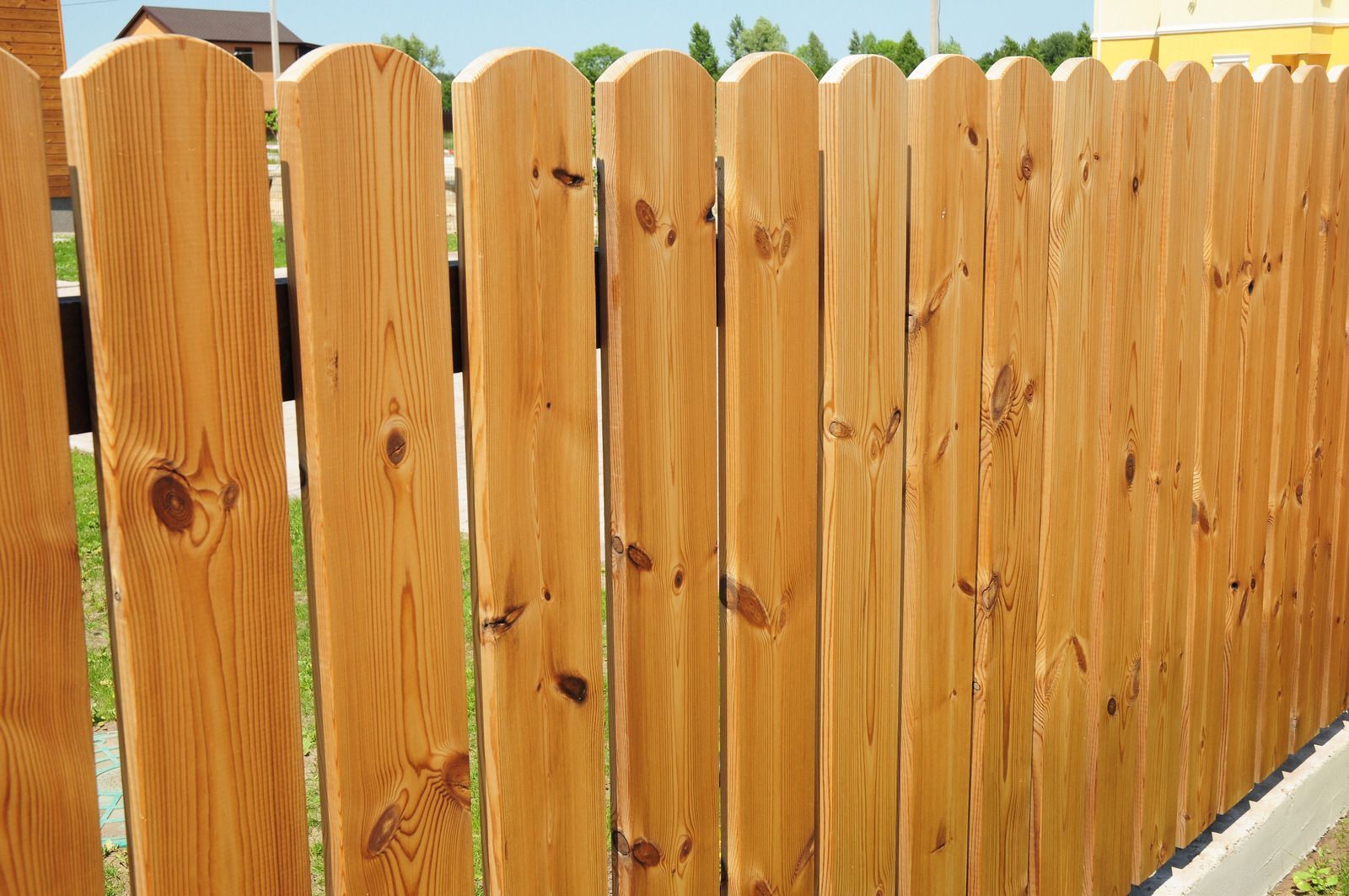
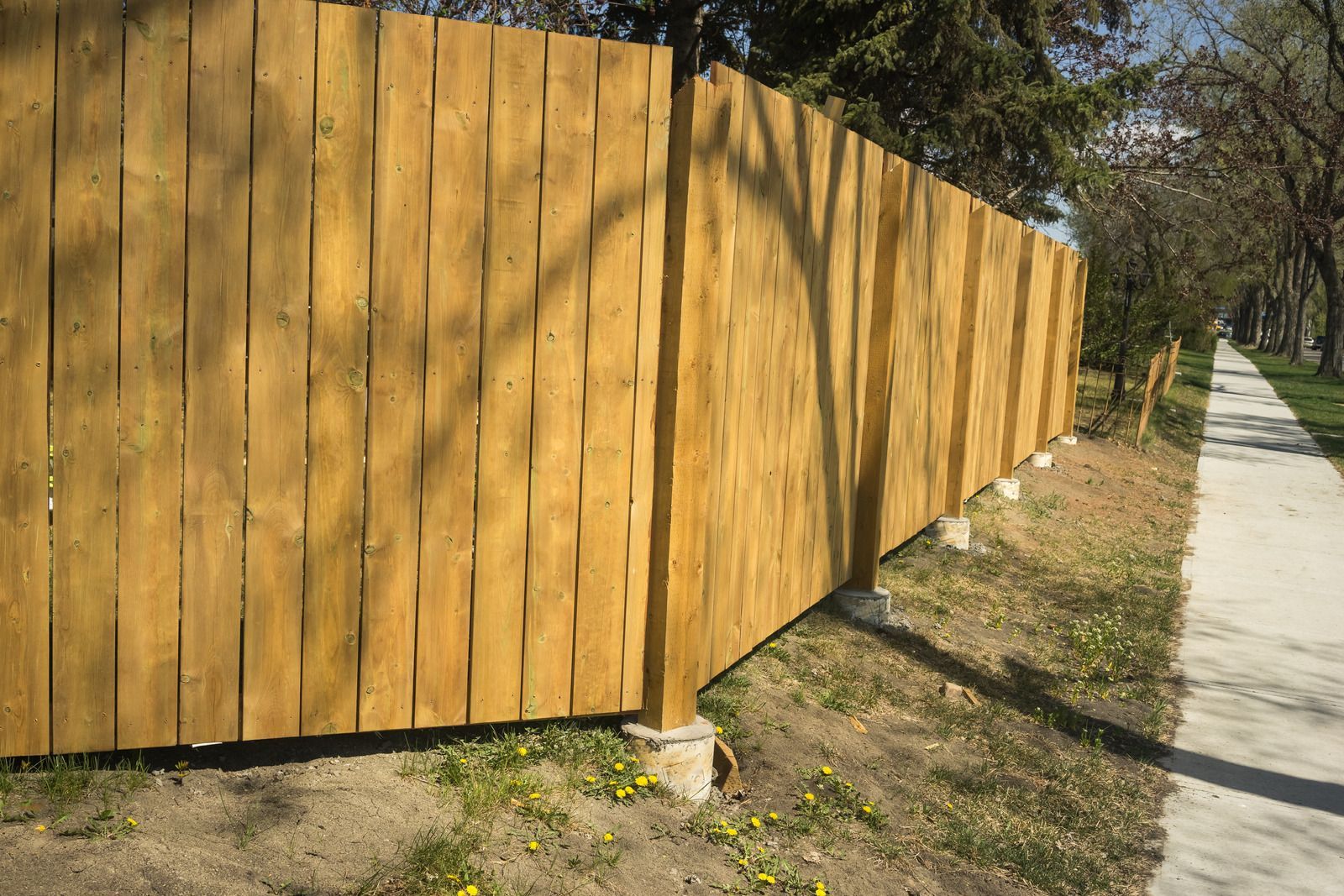
A FENCE FAILS AT THE GROUND LINE, NOT THE TOP.
Panels almost always outlast by years the posts that are holding them up. The wood right at soil level takes constant moisture from both sides and never gets a chance to dry out, and once it goes punky the whole run starts leaning even though every board still looks perfectly fine from the street.
Which is exactly why tearing out a whole fence because of three bad posts is one of the more common overcorrections we get asked to quote on around here.
✓ Individual posts reset without dismantling the run
✓ Post bases detailed to keep end grain out of standing water
✓ Gates rebuilt square rather than shimmed
✓ Panels and rails matched to the existing fence
FENCING
GATES ARE WHERE EVERY FENCE PROBLEM SHOWS UP FIRST.
A gate is the only moving part in the whole structure, and it magnifies every weakness. A post that has shifted a half inch means a gate that drags. Hardware fastened into softening wood pulls loose. A frame built without a diagonal brace sags out of square within a year. Fixing a gate properly usually means dealing with the post it hangs on, not just the latch.
CEDAR AND CONSTANT MOISTURE ARE A LOCAL COMBINATION.
Cedar dominates fencing here for good reason, but even naturally decay resistant wood struggles when it never dries out. Sprinklers hitting the same boards daily, soil built up against the bottom rail, and shade holding moisture all shorten a fence's life considerably. Small changes to grade and to irrigation timing often add more years to a fence than any upgrade in material would have.
EVERY POST WE SET IS ONE WE MAY HAVE TO STAND BEHIND.
That thought shapes how we detail post bases, which is the single thing that determines whether a fence lasts 8 years or twenty. Over 4 years of fence work around Clark County we have pulled out enough posts set straight into wet clay to know exactly what does not work. Drainage at the base, correct depth, and keeping end grain out of standing water matter far more than the grade of the lumber.
WHAT A SOLID FENCE DELIVERS
PRIVACY THAT HOLDS UP
A fence standing straight with tight boards actually does its job. Leaning sections and gaps from warped panels undermine the whole reason for putting one up.
GATES THAT SWING RIGHT
A gate that opens with one hand and latches on the first try stops being something you think about, which is the entire point of a working gate.
PETS AND KIDS CONTAINED
Gaps at the bottom, loose boards, and a gate that does not latch reliably are how animals get out. Closing those points restores the fence as a real boundary.
CURB APPEAL RESTORED
A fence is one of the most visible things on a property line. Straight, clean, and evenly finished changes how the whole front or side of a lot reads.
A LONGER SERVICE LIFE
Correct post detailing, drainage at the base, and a maintained finish routinely double how long a fence lasts compared to one simply set and forgotten.
FEWER REPEAT REPAIRS
Fixing the cause, whether that is a sprinkler head, built up soil, or a post with no drainage, means the same section does not need attention again next year.
WHAT WE FENCE
OUR FENCING WORK
Fence jobs range from a single leaning post to an entire property line. These are the tasks we take on most often for homeowners around Vancouver and the surrounding Clark County communities.
STRUCTURE
Post Replacement
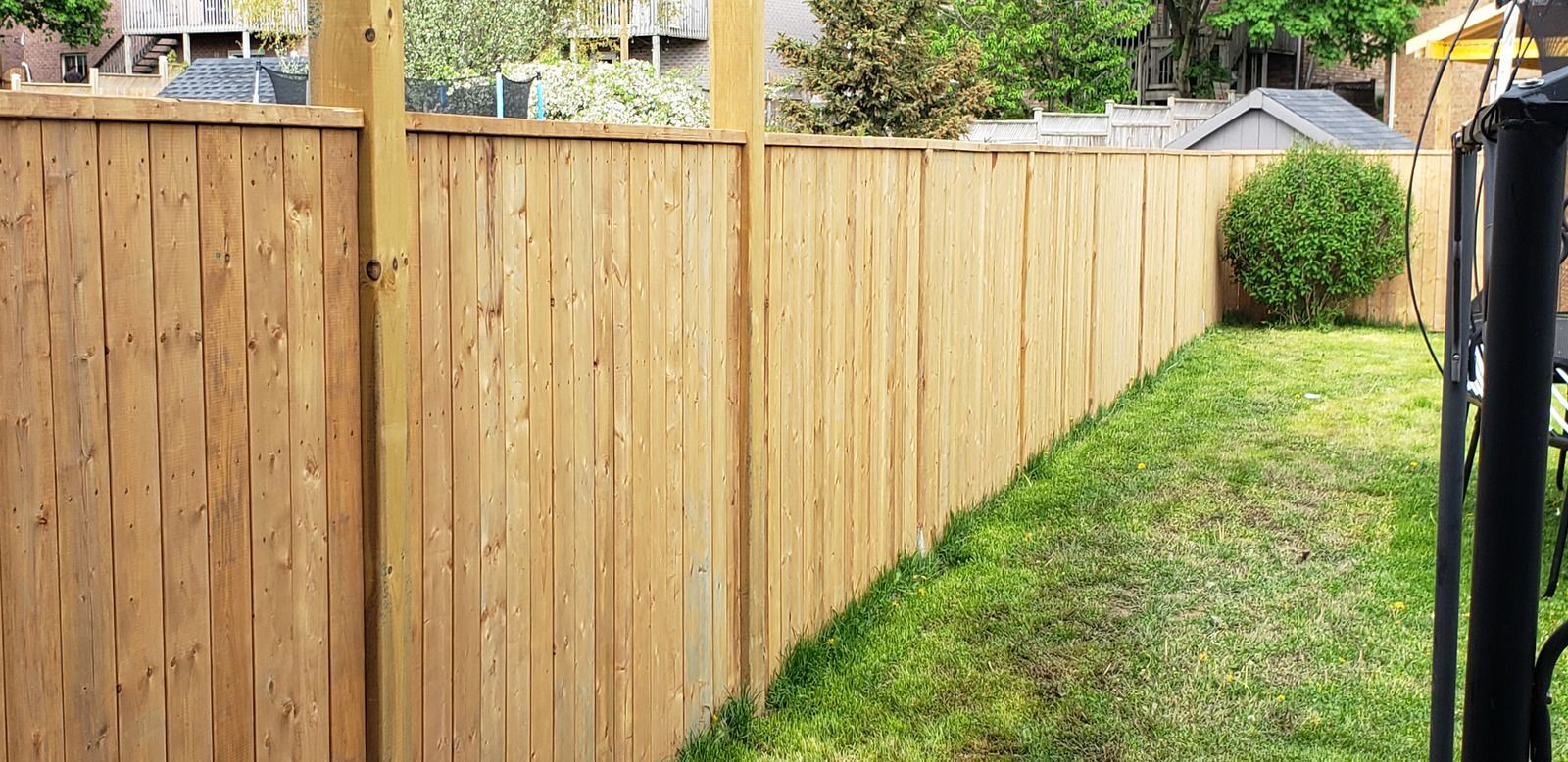
Individual rotted posts get pulled and reset without taking the whole run apart. Panels get braced and supported, the new post gets proper depth and drainage at the base, then everything gets refastened square.
ACCESS
Gate Repair and Rebuild
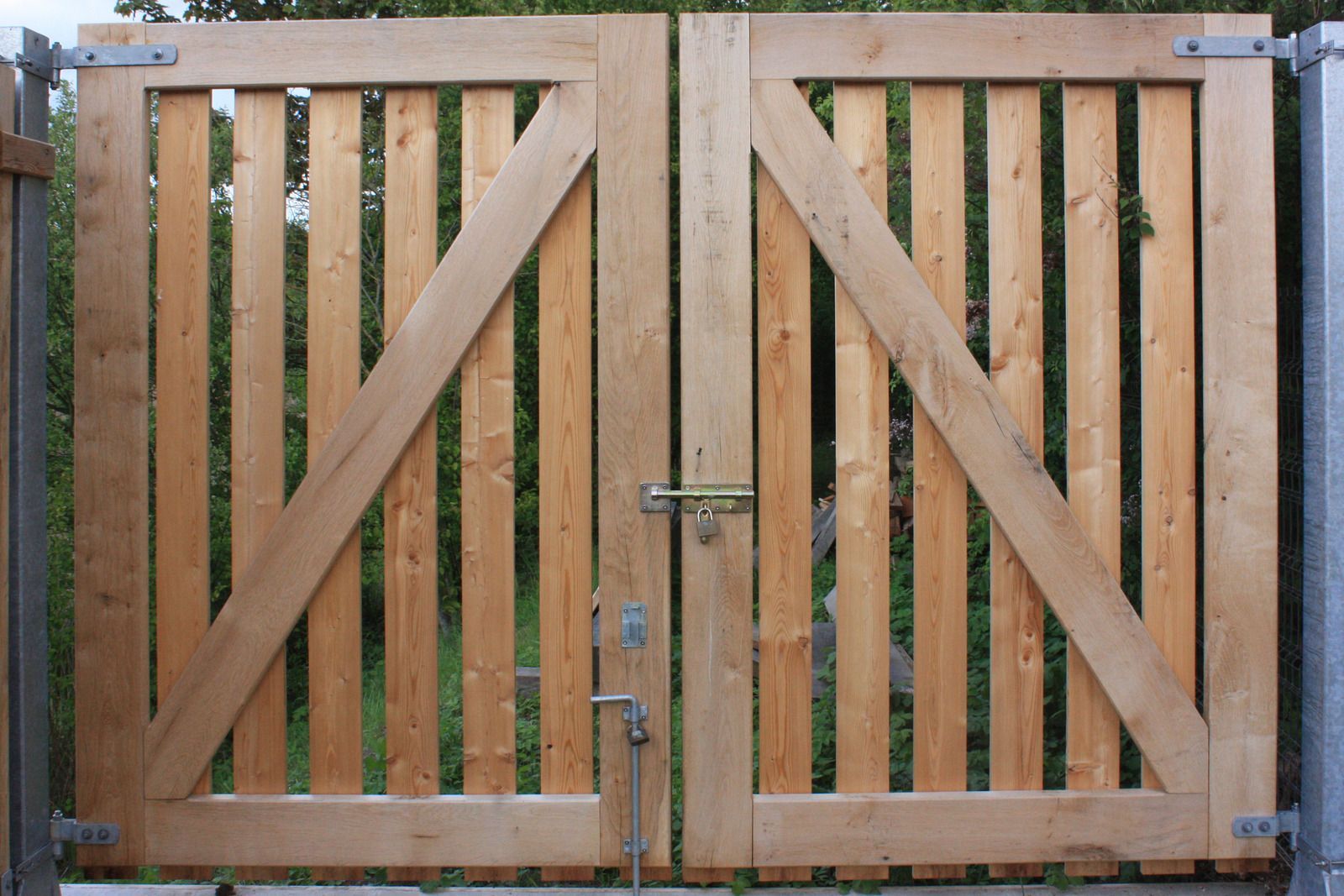
Sagging gates get rebuilt square with a proper diagonal brace, rehung on solid posts, and fitted with hardware fastened into sound material rather than into wood that has already started softening.
SURFACE
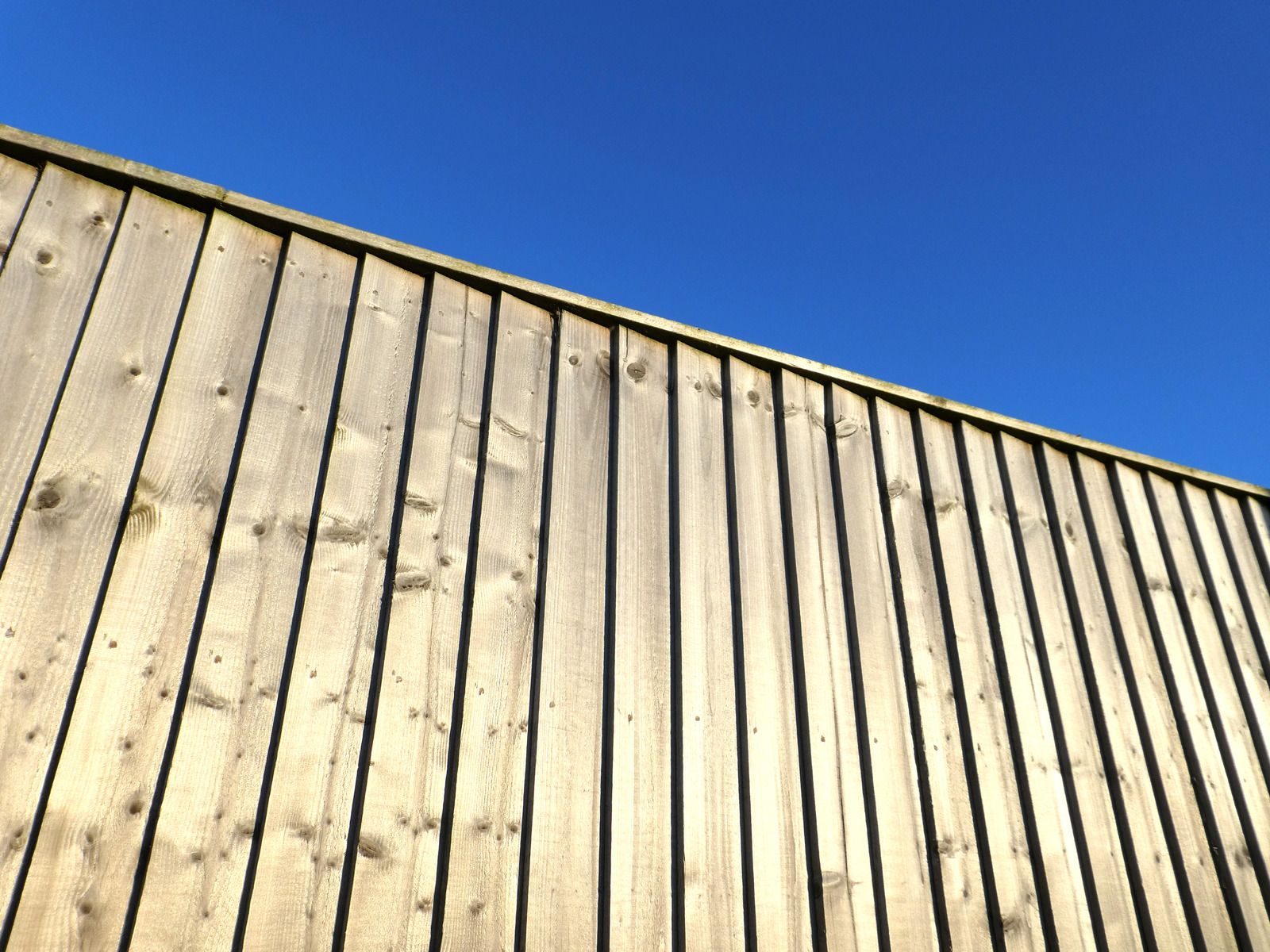
Panel and Board Replacement
Cracked, warped, and missing boards get swapped out with matched material. Whole panel sections get replaced where the damage is widespread, then blended into the existing fence line so nothing reads as a patch.
NEW BUILD
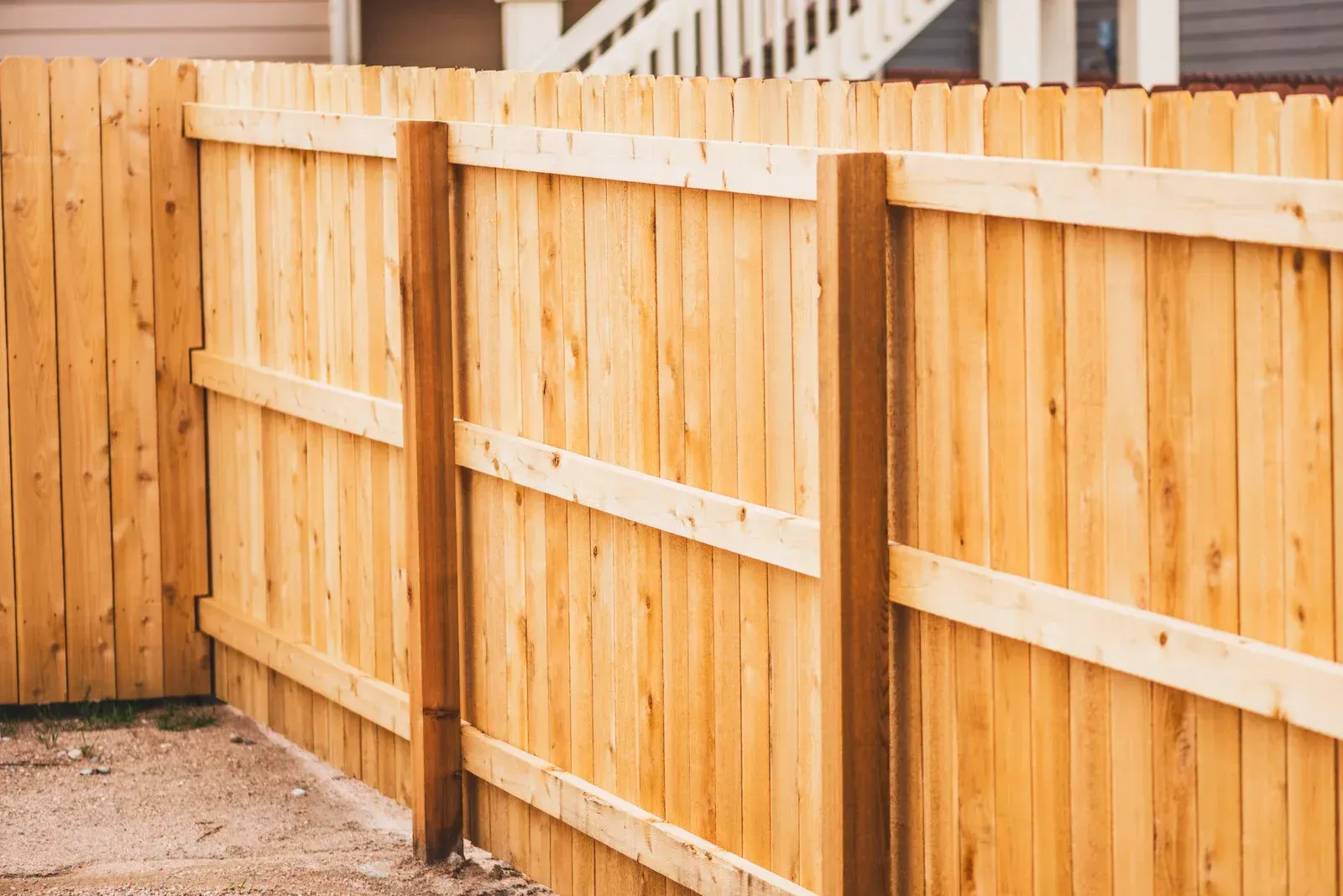
New Fence Installation
Cedar and pressure treated fences get built to the height rules that apply on your particular lot, with posts set to proper depth, rails run level, and boards spaced consistently along the whole run.
FINISH
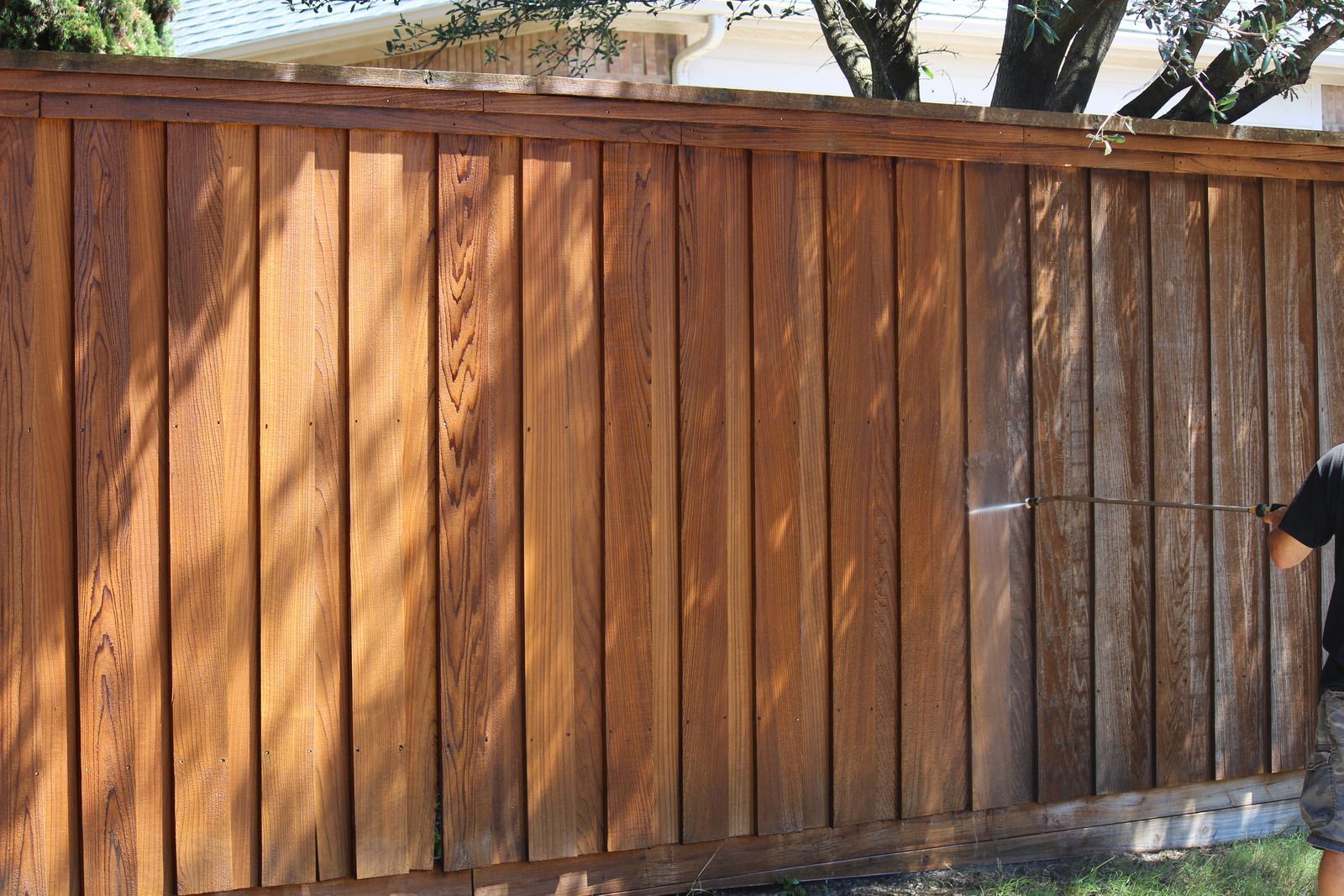
Fence Staining and Sealing
Fences get washed, dried properly, then stained inside the right temperature range for the product. New wood usually needs to weather for several months before it will absorb anything at all.
GRADE
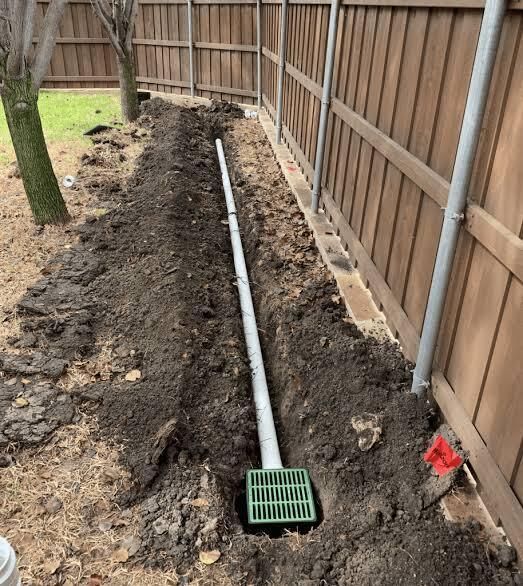
Drainage and Base Correction
Soil built up against the bottom rail and sprinklers soaking the same boards daily are why fences fail early. Correcting both of those adds more years than any upgrade in materials would.
THE WORD ON OUR WORK
WHAT OUR CLIENTS SAY.
A good share of our fence calls start with someone bracing for a full replacement quote. What we hear back most often is relief that three posts and a rebuilt gate solved what looked from the driveway like a much bigger problem.
FAQ
FREQUENTLY ASKED QUESTIONS.
Fence questions here usually involve rot, height rules, and staining timing. Here is what property owners around Clark County ask most before booking any fence work.
Can you replace just one fence post?
Yes, and it is usually the right call. Panels get supported while the failed post is pulled and reset, then everything gets refastened. Replacing a whole run over a few bad posts is rarely necessary.
How tall can a fence be here?
Solid fences up to 6 feet are generally allowed in side and rear setbacks. Fences forward of the front wall of the house are limited to 5 feet, with the top portion mostly open.
Do I need a permit to build a fence?
The City of Vancouver does not require a building permit for fences 6 feet or under. Critical area review can still apply, and vision clearance rules limit height near intersections. TTP Handymen LLC builds fences across Vancouver, WA.
Why do fence posts rot at the ground line?
That zone stays wet from both sides and never fully dries. Posts set directly into clay with no drainage, plus soil or bark built up against them, accelerate it considerably.
How long should a new fence dry before staining?
New cedar and pressure treated boards typically need several months of weathering. Sprinkle water on a board. If it beads up, the wood will not absorb stain yet and needs more time.
How often should a wood fence be stained?
Every 2 to 3 years for most finishes in this climate, sooner on the sides taking direct weather. Gray, fuzzy boards and water that soaks straight in mean it is overdue.
Which side of the fence faces the neighbor?
Convention puts the finished side outward, facing the neighbor or the street, with posts and rails on your side. Neighbors sometimes agree otherwise, and shared fences are worth discussing first. Very common for TTP Handymen LLC in Vancouver, WA.
Cedar or pressure treated for a fence here?
Cedar resists decay naturally and stays straighter over time, which suits boards and rails. Pressure treated handles ground contact better, which makes it the stronger choice for posts set in wet soil.
HOW WE WORK
FROM LEANING POST TO STRAIGHT LINE, HERE IS HOW.
STEP 01
Walk the fence line
We go the full length of the fence, checking each post at the ground line, sighting the run for lean, testing every gate, and noting where irrigation or grade is causing the damage.
STEP 02
Separate repair from replacement
You get a clear breakdown of which sections are genuinely finished and which ones just need posts or boards. Most fences need far less work than they appear to need from a distance.
STEP 03
Support and remove
Panels get braced and supported before any post comes out at all, so the run holds its line throughout the work. Old concrete footings and rotted material get removed completely rather than simply built around.
STEP 04
Set posts properly
New posts go in to full depth with drainage at the base, then get plumbed and braced until they have properly set. This one step determines the lifespan of everything else that gets attached to them.
STEP 05
Rebuild and refasten
Rails go back up level, boards get spaced consistently along the whole run, and every gate gets rebuilt square with diagonal bracing and hardware fastened into solid framing rather than into weak board ends.
STEP 06
Correct the cause and finish
Soil against the bottom rail gets pulled back, sprinkler spray gets redirected away, and staining gets scheduled for a genuinely dry stretch once the new wood has had enough time to weather properly.
GET YOUR FREE ESTIMATE
FIND OUT HOW MUCH FENCE YOU ACTUALLY NEED TO REPLACE, FREE.
It is very often less than it looks. Send us the address through the contact page and we will walk the line, check the posts, and give you an honest split between repair and replacement.
WHAT YOUR FENCE QUOTE COVERS:
✓ Full line walk with post by post assessment
✓ Honest repair versus replacement breakdown
✓ Post depth and drainage detailing included
✓ Gate rebuild rather than temporary shimming
✓ Cause of failure identified and corrected
✓ Staining scheduled to the weather and the wood