

Pressure Washing
PRESSURE WASHING IN Vancouver, WA
Fiber cement siding manufacturers cap washing at 1,500 psi with a wide fan tip held at least 6 feet from the wall, and roofing associations say plainly that asphalt shingles should never see high pressure at all. TTP Handymen provides pressure washing throughout Vancouver, WA, matching pressure and detergent to each surface so driveways, siding, decks, patios, and fences come clean without stripping finish, blasting granules off shingles, or furrowing softwood along the way. Free estimates, licensed and insured.
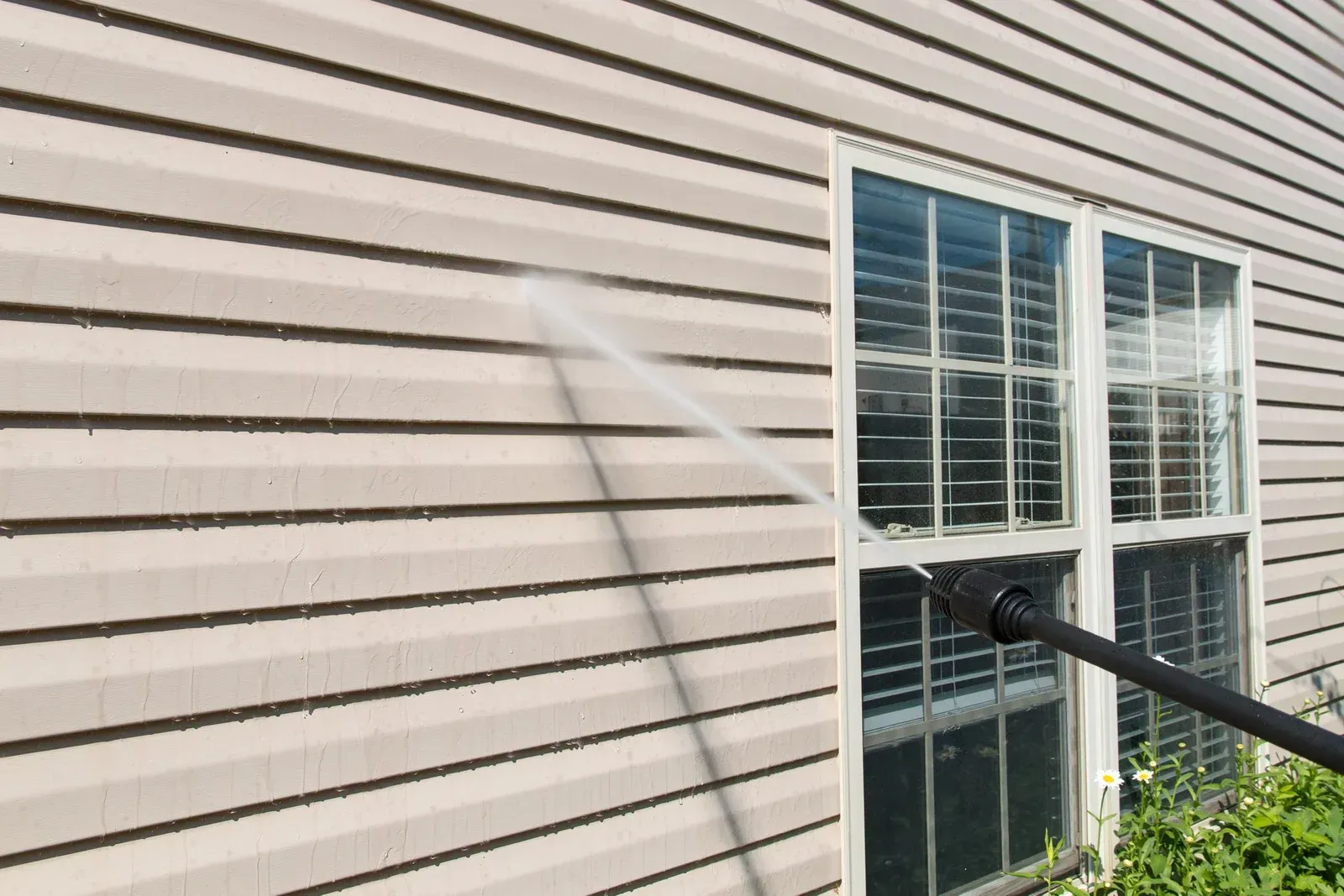
THE SETTING MATTERS MORE THAN THE MACHINE.
Anybody can rent a pressure washer. The difference is knowing that painted lap siding, fiber cement, cedar fencing, stamped concrete, asphalt shingles, and composite decking all want different tips, different distances, and in several cases no real pressure at all. The machine is the same. The judgment about how to point it is what protects the house you are trying to clean.
Soft washing does the work chemically on delicate surfaces, letting a detergent break down the algae, lichen, and moss at the root while low pressure does nothing more than rinse it away.
✓ Pressure matched to each surface, not a single setting
✓ Soft wash method for siding, roofs, and painted surfaces
✓ Detergents that kill growth rather than just moving it
✓ Plants, fixtures, and openings protected before we start
PRESSURE WASHING
GREEN FILM IS NOT DIRT. IT IS SOMETHING GROWING.
The black streaks on north facing walls and the green haze on concrete are living organisms, and rinsing them off with plain water simply resets the clock a few weeks. Our detergents break down the algae, lichen, and moss at the root, which is why properly washed surfaces stay clean through a season instead of hazing over by the next month. The surface also tells us how aggressive we can safely be.
OUR WET SEASON RUNS 8 MONTHS LONG.
Between November and April, surfaces here rarely get a chance to fully dry out. That constant moisture, plus shade from firs and mild winter temperatures, gives moss and algae close to ideal growing conditions on almost every north elevation in Clark County. Washing in the dry summer window, when July and August average well under an inch of rain each, gives the result the best chance of lasting.
PRESSURE IS THE EASY PART. RESTRAINT IS NOT.
The damage we get called to fix is almost always from too much pressure, not too little. Furrowed cedar decking, etched concrete, driven water behind lap siding, stripped paint on trim, and shingle granules washed into the gutters. Over 4 years of washing homes here we have learned exactly where the line sits on each surface, and we would rather make two passes at a safe setting than one pass that costs you a repaint.
WHAT A CAREFUL WASH DELIVERS
CURB APPEAL BACK
Years of accumulated gray film come off in a day, and the difference between a washed and unwashed elevation is the single most visible improvement most homes can get.
A SOUND PAINT SURFACE
Coatings fail faster under organic growth that holds moisture against them. Washing before repainting is not optional prep, it is what determines how long the new paint lasts.
SAFER WALKING SURFACES
Algae on concrete and moss on pavers turn genuinely slick in wet weather. Clearing walkways, steps, and patios removes a real slip hazard around the property.
MATERIAL THAT LASTS
Moss holds water against wood, concrete, and roofing indefinitely. Removing it stops the slow saturation cycle that quietly breaks materials down from the outside in, season after season.
NO COLLATERAL DAMAGE
Correct pressure, correct distance, and properly protected plantings mean the wash solves the problem you called about without quietly creating a second one on your siding or in the beds.
RESULTS THAT HOLD
Detergent that actually kills growth buys far more time than a water only rinse, so the surface stays looking right through a full season rather than weeks.
WHAT WE WASH
OUR PRESSURE WASHING WORK
Different surfaces need different approaches, and most properties need several of them handled in a single visit. These are the areas we are asked to clean most often around Vancouver and the surrounding Clark County communities.
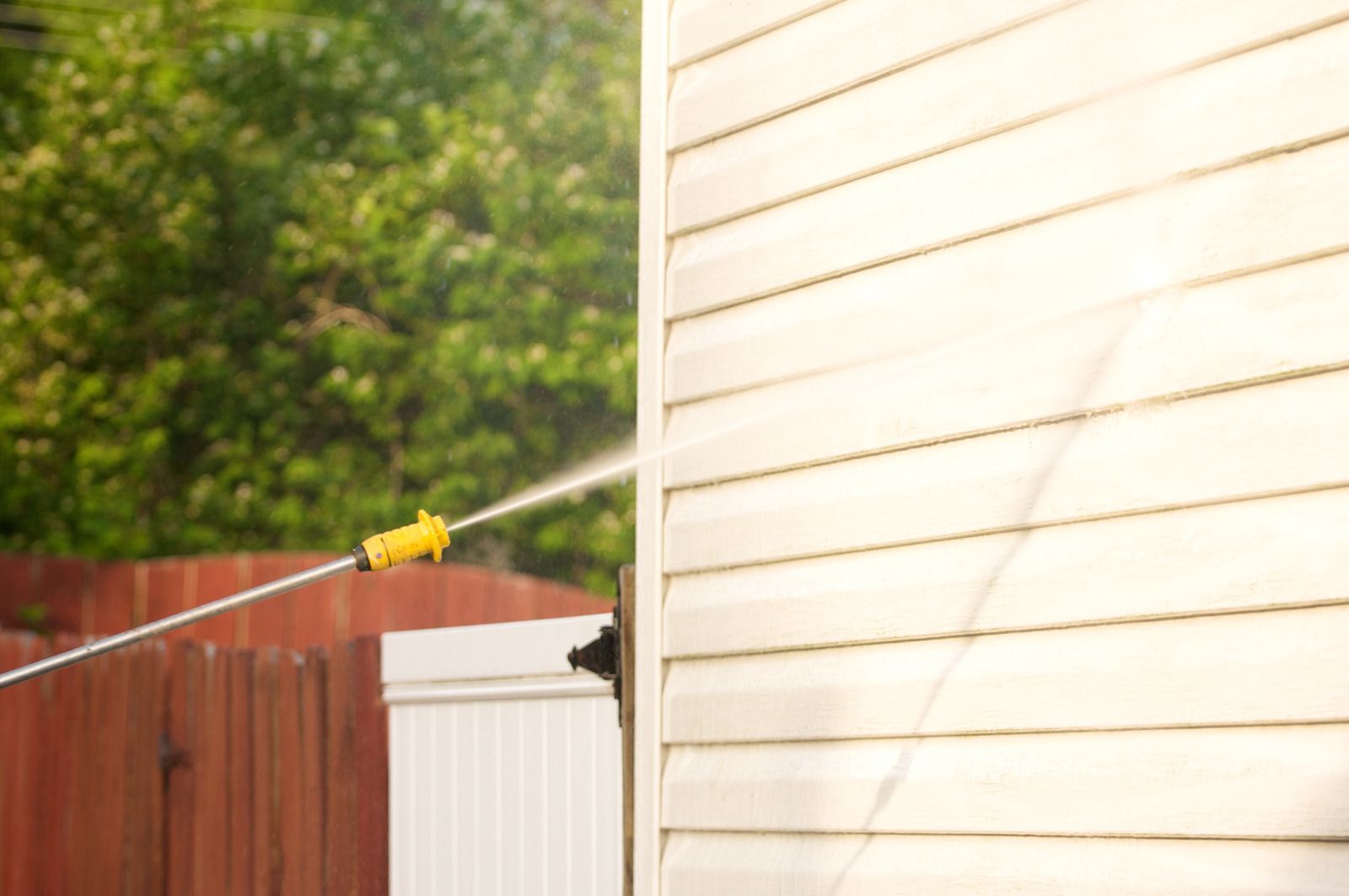
SOFT WASH
House Washing
Siding gets a low pressure detergent application and gentle rinse. Painted wood, vinyl, and fiber cement all come clean without water being driven up behind the laps or finish being lifted.
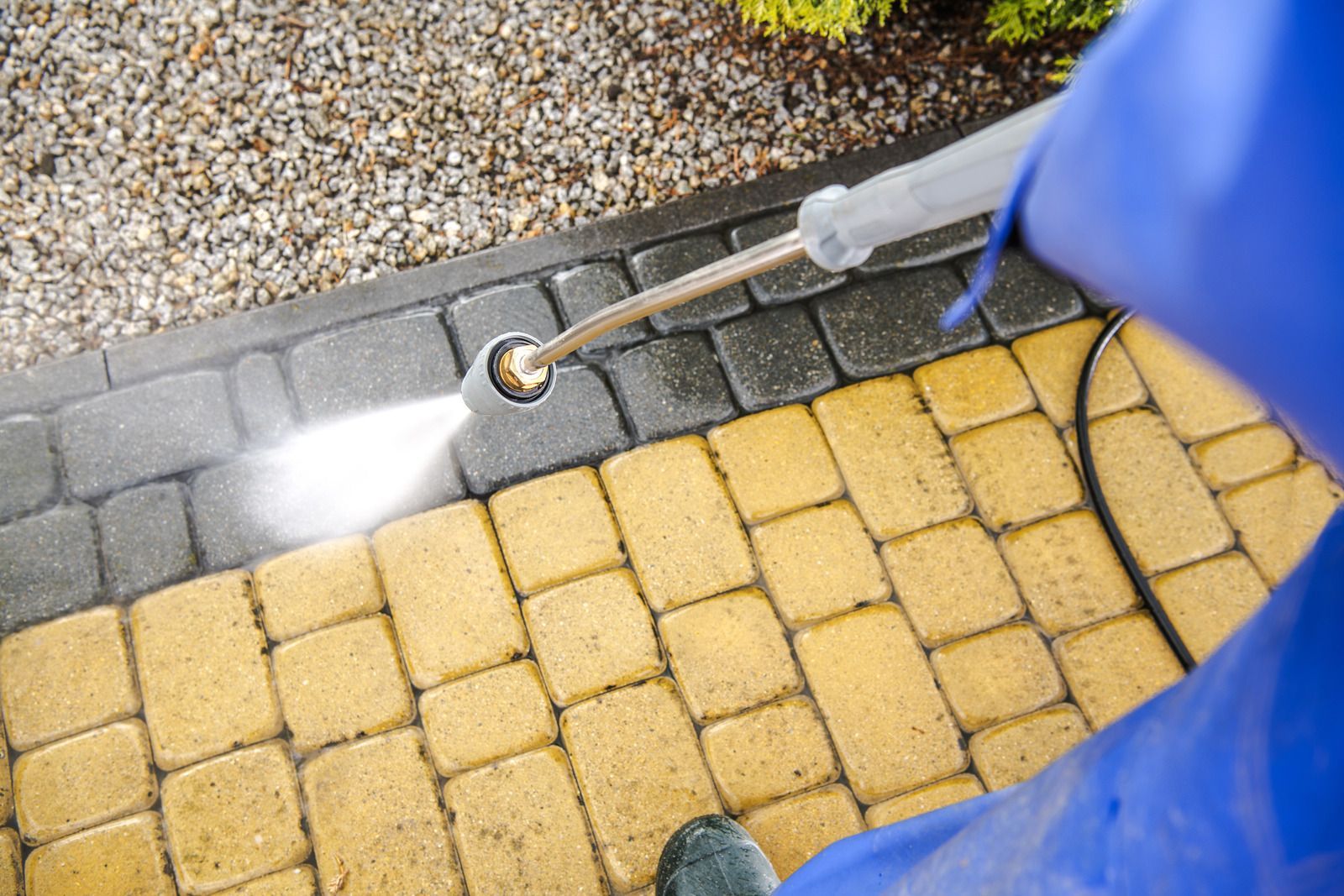
HARD SURFACE
Driveways and Walkways
Concrete takes a surface cleaner attachment for even results with no wand stripes. Oil spots, tire marks, and green growth get pretreated before the main pass rather than scrubbed afterward.
OUTDOOR LIVING
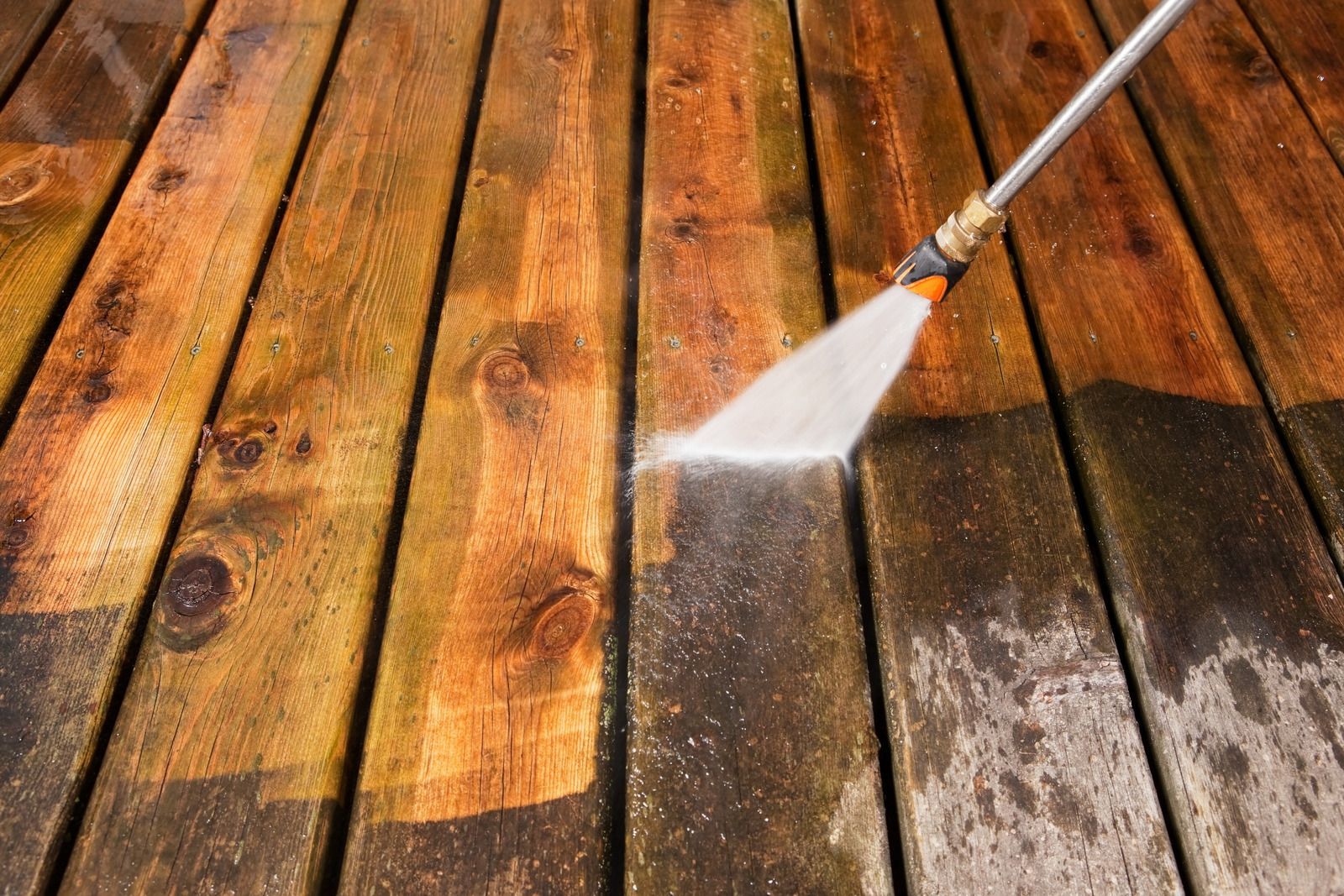
Deck and Patio Cleaning
Wood decking gets low pressure and a cleaner formulated for it, since a tight fan tip furrows softwood permanently. Composite and pavers get treated for the growth in the joints.
PERIMETER
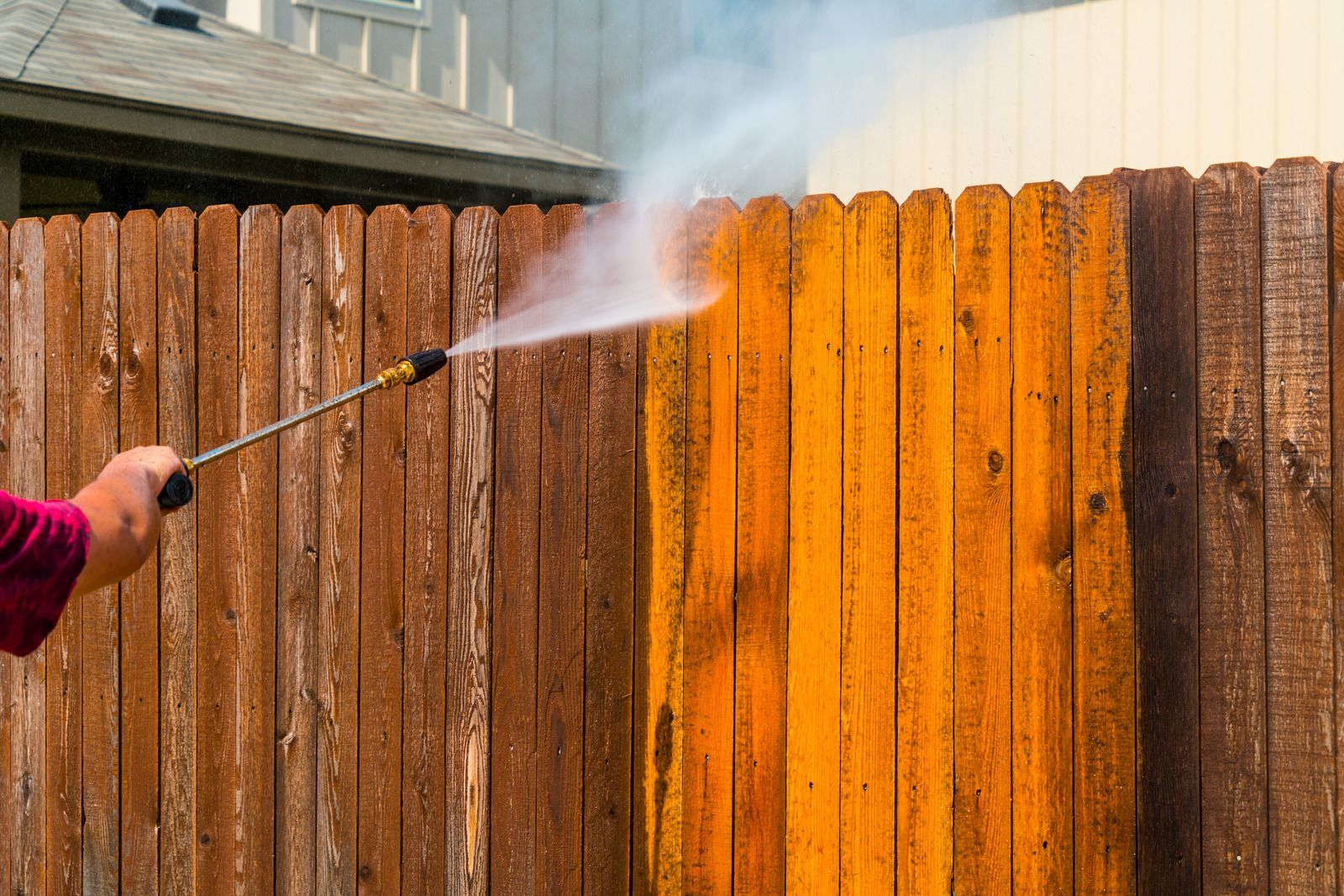
Fence Washing
Years of gray weathering and green film lift off cedar and pressure treated fencing, taking the surface back to bare wood. This is also the required first step whenever staining or sealing is planned afterward.
ROOFLINE
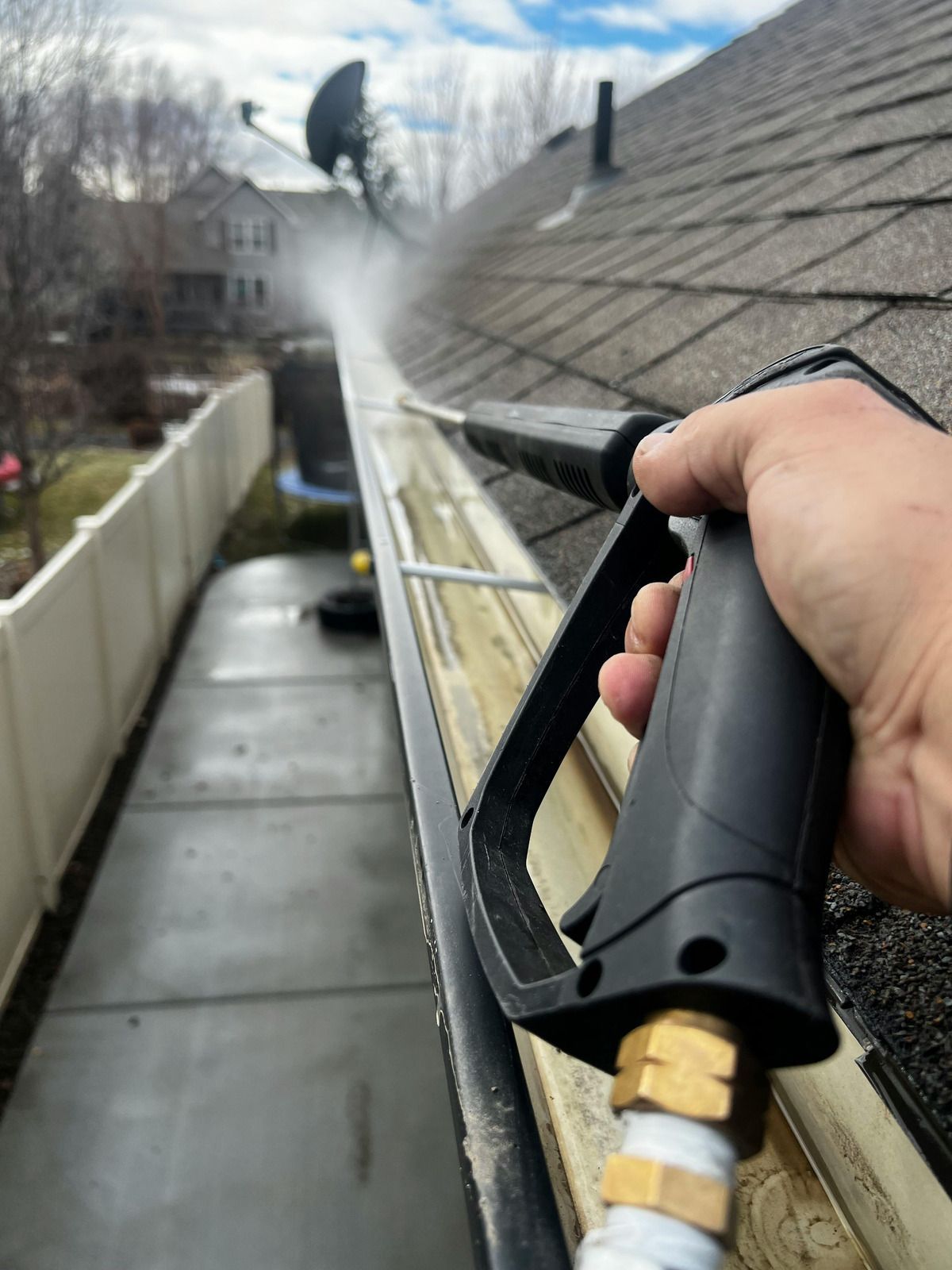
Gutter Face Cleaning
The tiger striping down the front of aluminum gutters is oxidized residue that plain water will not touch. It takes a specific cleaner and hand work to bring the face back.
HARDSCAPE
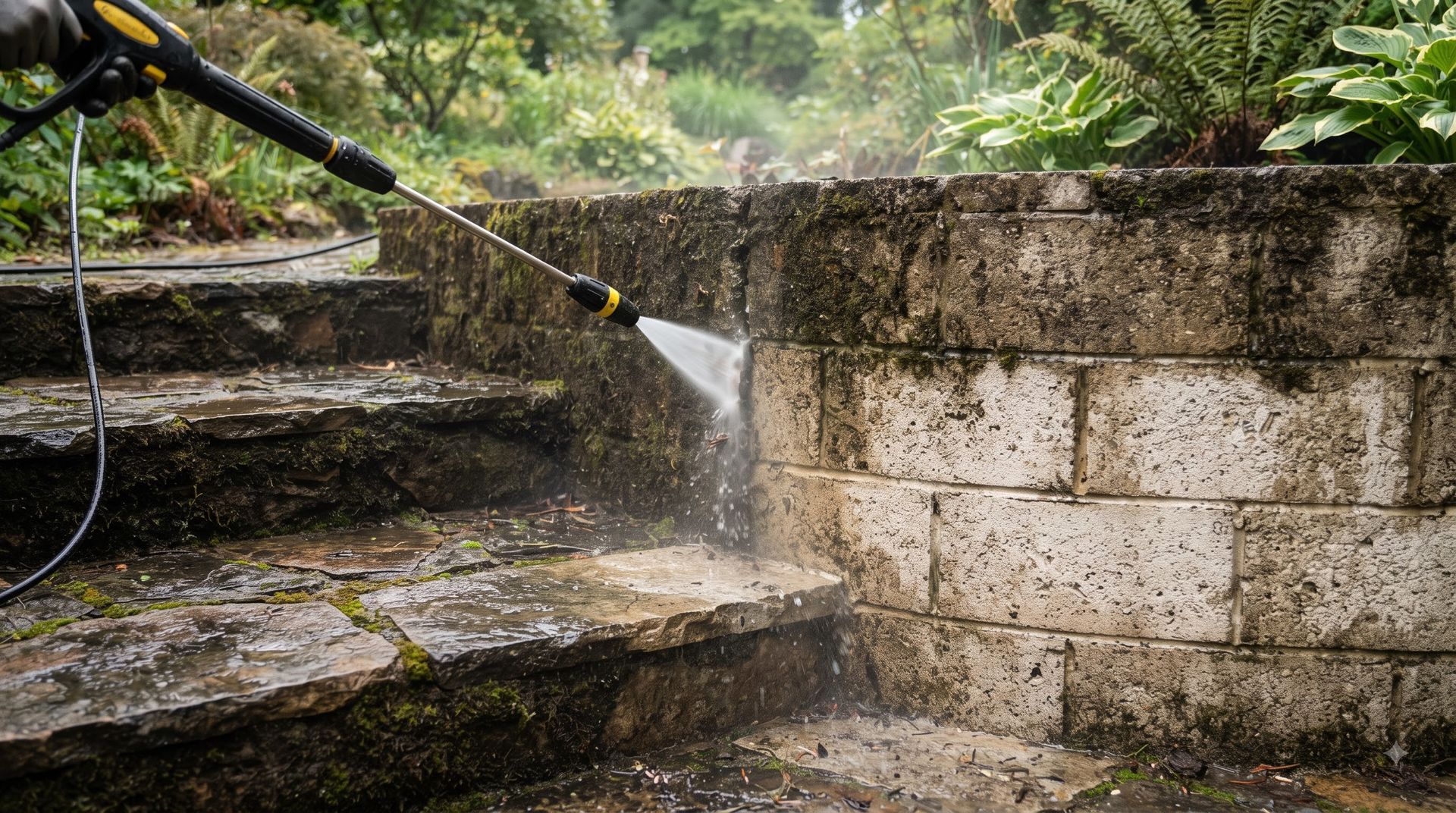
Retaining Walls and Steps
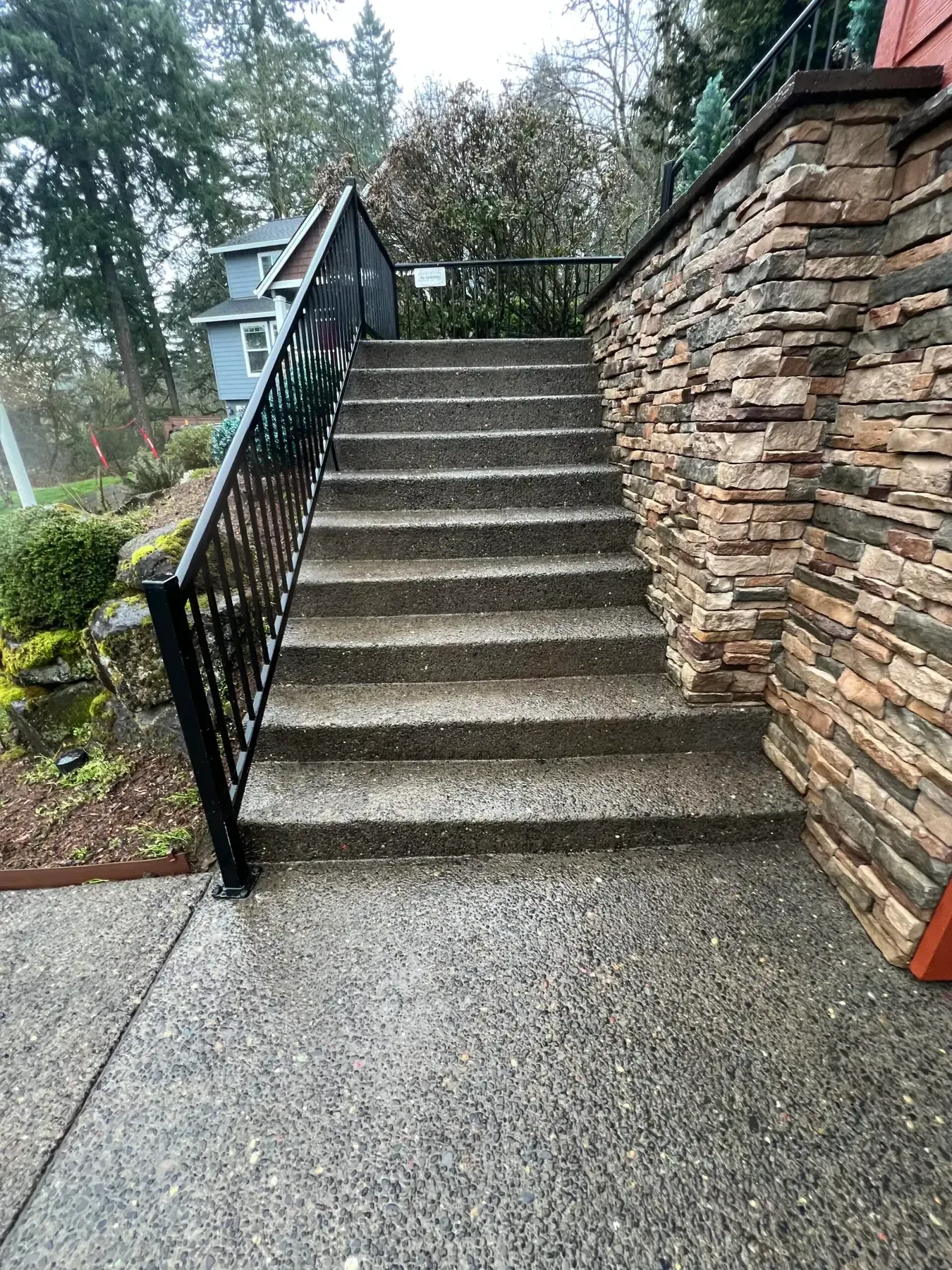
Block walls, brick, and concrete steps hold moss in every joint and mortar line. Clearing them improves appearance and removes the slick layer that makes exterior stairs genuinely risky through winter.
THE WORD ON OUR WORK
WHAT OUR CLIENTS SAY.
The comment we hear most is that people did not realize how far their house had drifted until they saw half of it clean. The second most common is relief that the plants, the paint, and the deck boards all came through untouched.
FAQ
FREQUENTLY ASKED QUESTIONS.
Washing questions usually come down to safety, timing, and whether the results will last. Here is what homeowners around Clark County ask before booking exterior cleaning.
What is the difference between soft washing and pressure washing?
Soft washing uses low pressure plus a cleaning solution that kills organic growth. Pressure washing relies on force. Siding, roofs, and painted surfaces need the first method, while concrete and masonry tolerate the second.
Will pressure washing damage my siding or paint?
Not when the pressure, tip, and distance match the material. Damage happens when a narrow tip is held close to lap siding, forcing water behind the boards or lifting coatings that were already marginal.
Can you pressure wash a roof?
Not with high pressure. Roofing manufacturers are explicit that it strips protective granules from asphalt shingles. Roof growth gets treated chemically with a low pressure application instead, which removes the moss without shortening shingle life.
How often should a house be washed here?
Most homes benefit from an annual wash, usually in summer. North facing elevations under tree cover sometimes need attention more often, since they stay damp long enough for growth to reestablish quickly. TTP Handymen LLC washes homes across Vancouver, WA.
What is the best time of year for exterior washing?
June through September. Surfaces dry properly, detergents work as intended, and the results stay visible longer. Washing during the wet season is possible but growth returns faster with less drying time between storms.
Do I need to wash my house before painting it?
Yes, and it is not optional. Paint applied over algae, chalking, or mildew fails early no matter how good the product is. Washing plus proper drying time is what makes a repaint last.
How do I prepare for a wash appointment?
Close windows and doors, move vehicles and patio furniture clear, take down anything fragile hanging on walls, and let us know about failing seals or open vents. We handle covering plants and outlets. TTP Handymen LLC covers Vancouver, WA properties.
How long will the results last?
On a washed and treated surface, typically a full season or more. Water only cleaning fades within weeks. Shade, tree cover, and how much sun the elevation gets make the biggest difference in longevity.
HOW WE WORK
FROM WALKAROUND TO FINAL RINSE, HERE IS HOW.
STEP 01
Identify every surface
Siding type, roofing material, decking species, concrete finish, and existing paint condition all get identified before anything is switched on. That determines pressure, tip selection, detergent choice, and the order we work in.
STEP 02
Protect what stays
Plants get saturated with clean water and then covered, light fixtures and outlets are shielded, and any failing window seals, open vents, or damaged siding get noted and carefully worked around rather than discovered later.
STEP 03
Pretreat the growth
Detergent goes on first and gets proper dwell time to break down the algae, moss, and lichen. Skipping this step is exactly why water only washing takes so much pressure and still leaves so little behind.
STEP 04
Wash in sections
Work runs top down in manageable sections so nothing sits and dries with detergent still on it. Consistent distance and consistent overlap prevent the striping that only shows up later under a low afternoon sun.
STEP 05
Rinse thoroughly
Everything gets a full clean water rinse, including landscaping, windows, and every surface below the work area. Detergent residue left behind attracts dirt quickly and can permanently spot glass, trim, and painted finishes.
STEP 06
Final inspection
We walk the property with you or send through photos, check for missed sections under a different light angle, and reset any furniture, planters, or fixtures that had to be moved to get access.
Get Your Free Estimate
LET US SHOW YOU WHAT COLOR YOUR HOUSE ACTUALLY IS, FREE.
Most people underestimate how much the last few winters left behind. Send your address and a rough scope through the contact page and we will price the surfaces you want handled, with no obligation attached.
WHAT YOUR WASH QUOTE COVERS
✓ Surface by surface pressure and method plan
✓ Detergent treatment, not a water only rinse
✓ Full plant, fixture, and opening protection
✓ Complete clean water rinse of all affected areas
✓ Post wash walkthrough or photo report
✓ Licensed and insured work up to $1 million