

Drywall
DRYWALL IN Vancouver, WA
Joint compound drying is governed by humidity more than temperature, and at 55 degrees with poor ventilation a coat that would dry in a few hours can take 3 days once room humidity climbs toward 90 percent. TTP Handymen handles drywall throughout Vancouver, WA, covering nail pops, corner cracks, doorknob holes, water damaged sections, small installations, and the careful texture matching that decides whether anyone ever notices the repair afterward. No charge to quote, and insured to $1 million.
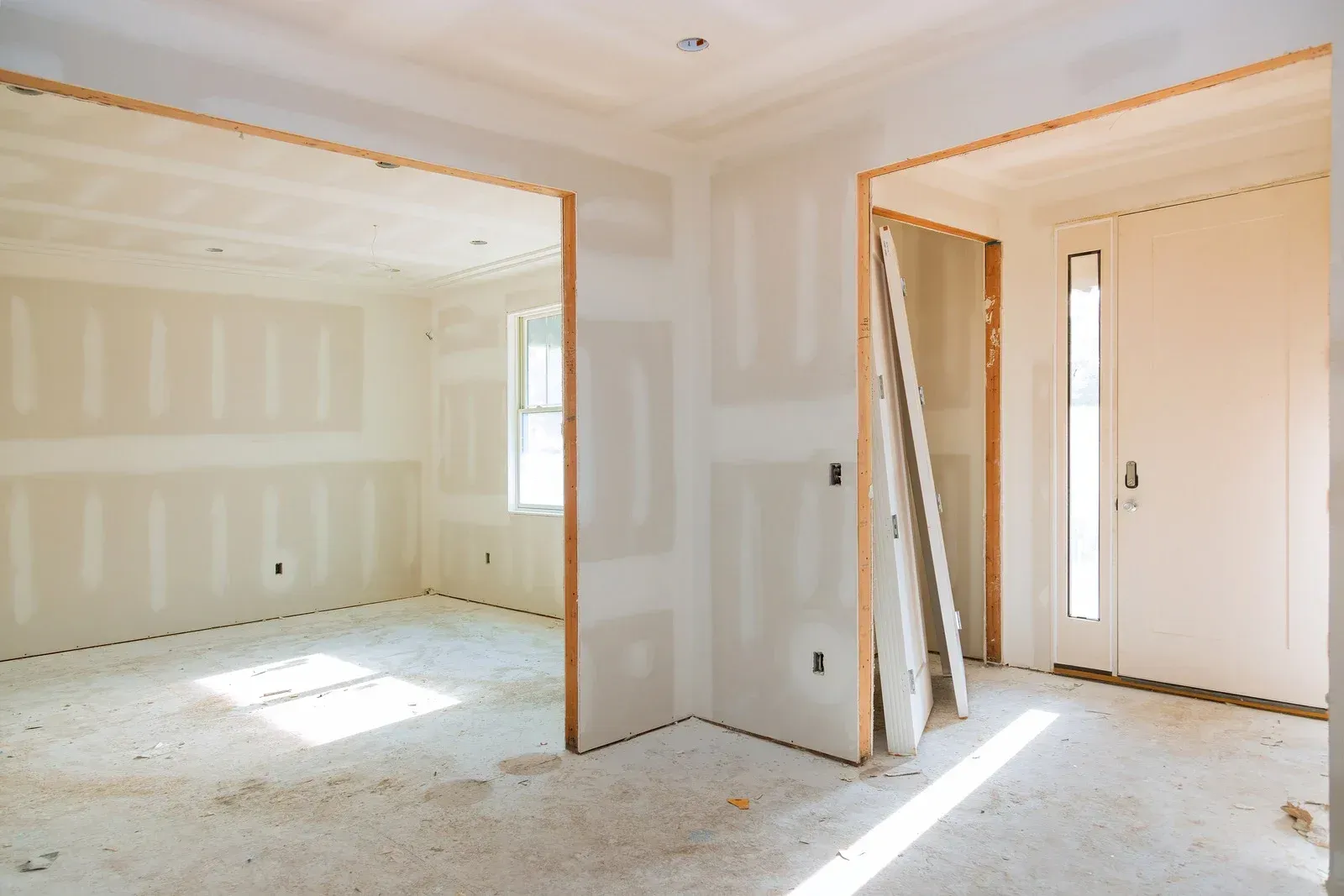
THE PATCH IS EASY. THE BLEND IS THE JOB.
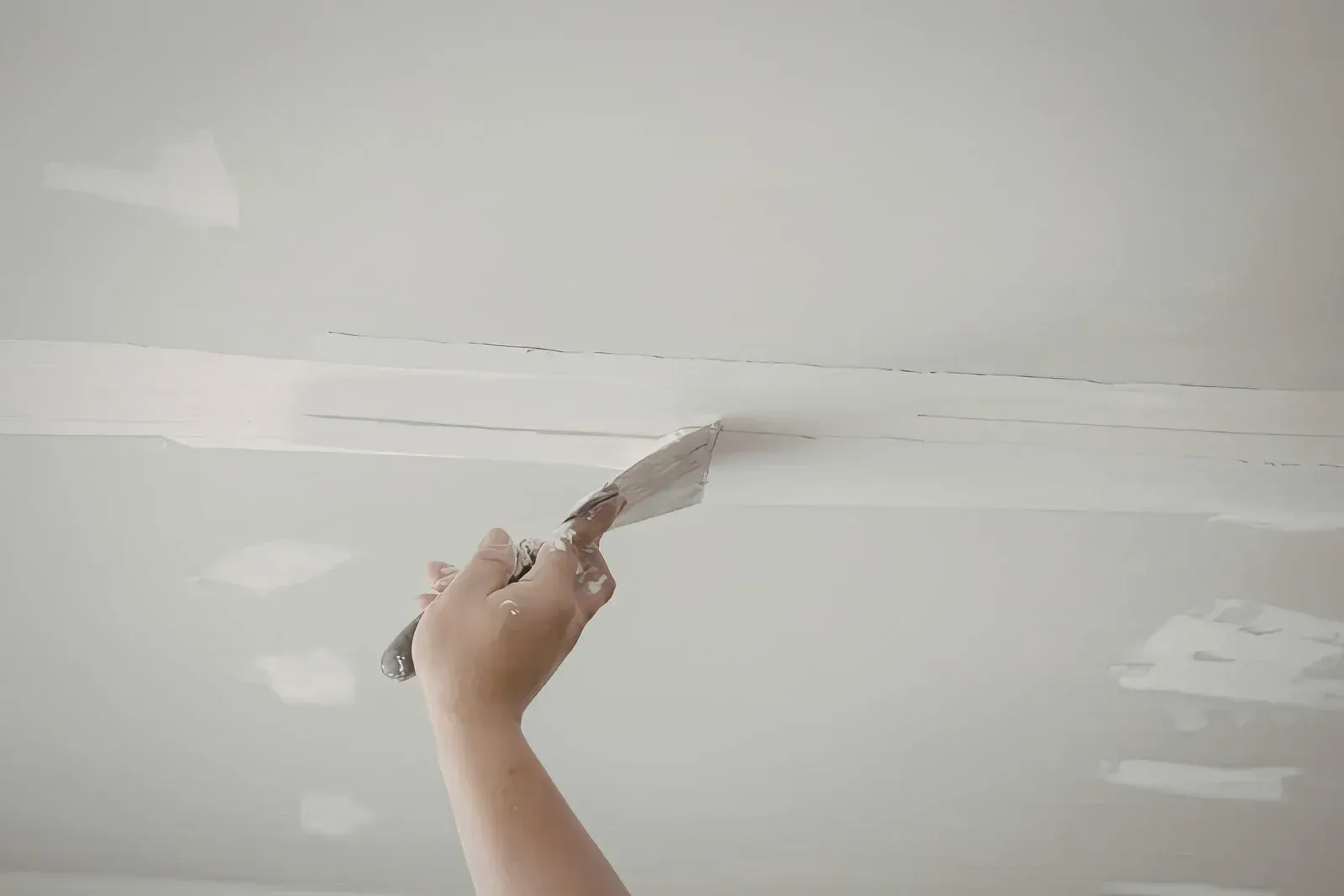
Cutting out damage and screwing in a new piece takes very little time. What separates a repair you cannot find from one that jumps out under a lamp is how far the compound is feathered out, how many coats it gets, and whether the texture actually matches what was already sitting on the wall.
Rushing any one of those three steps is the reason so many otherwise competent patches still read plainly as patches from clear across the room, especially under a lamp.
✓ Damage cut back to sound board and framing
✓ Multiple thin coats, feathered wide, not one thick pass
✓ Texture read and matched before spraying
✓ Dust contained and the space left clean
DRYWALL
CRACKS IN THE SAME PLACES ARE NOT A COINCIDENCE.
Drywall cracks where the building moves. Above door and window headers, at the corners of openings, along ceiling to wall joints, and down the middle of long ceiling spans. Simply filling those lines guarantees they come back within a season. Understanding what is actually moving underneath, and whether the correct fix needs paper tape, mesh, or a mechanical repair, is what makes a second attempt unnecessary.
WET WINTERS MAKE MOISTURE THE MOST COMMON CAUSE HERE.
Roughly 6 inches of rain a month from November through January means most of the damaged drywall we cut out is water damaged rather than impact damaged. Failed flashing, an overflowing gutter, a slow supply line, or crawl space humidity all show up first as a stain on a ceiling or a soft patch low on a wall. We find the source before we close it up.
THE REPAIR YOU CANNOT FIND IS THE ONE WE DID.
Nobody hires us hoping to point at the patch afterward. Over 4 years of interior work here we have matched knockdown, orange peel, skip trowel, and the hand troweled textures that turn up in older Vancouver houses, and we have learned to test on a scrap board first rather than on your wall. Drying time gets respected too, which in a damp house means waiting longer than the label suggests.
WHAT A PROPER DRYWALL REPAIR DELIVERS
WALLS THAT LOOK ORIGINAL
A repair blended and textured correctly disappears entirely once it is painted, which is honestly the only real measure of whether the work was done properly.
DAMAGE THAT STAYS FIXED
Cracks traced back to the actual movement causing them get treated differently than surface filling, so they do not reopen with the next seasonal shift.
A HEALTHIER ROOM
Water damaged board gets removed rather than dried in place and painted over, which is what keeps mold from establishing behind an otherwise tidy looking wall.
FAR LESS DUST
Containment, dustless sanding, and proper cleanup mean the fine white film does not end up spread through the rest of the house for weeks afterward.
READY FOR PAINT
Surfaces primed and finished to the right level take paint evenly, without the flashing and sheen differences that always show up over untreated joint compound.
FASTER FINISH WORK
Straight, flat walls and genuinely square corners make everything installed afterward, from baseboard to cabinets to tile, sit and fit properly the first time around.
WHAT WE PATCH
OUR DRYWALL WORK
Drywall work ranges from a fist sized hole in a hallway to an entire ceiling. These are the repairs and small installations we are called out for most often across the area.
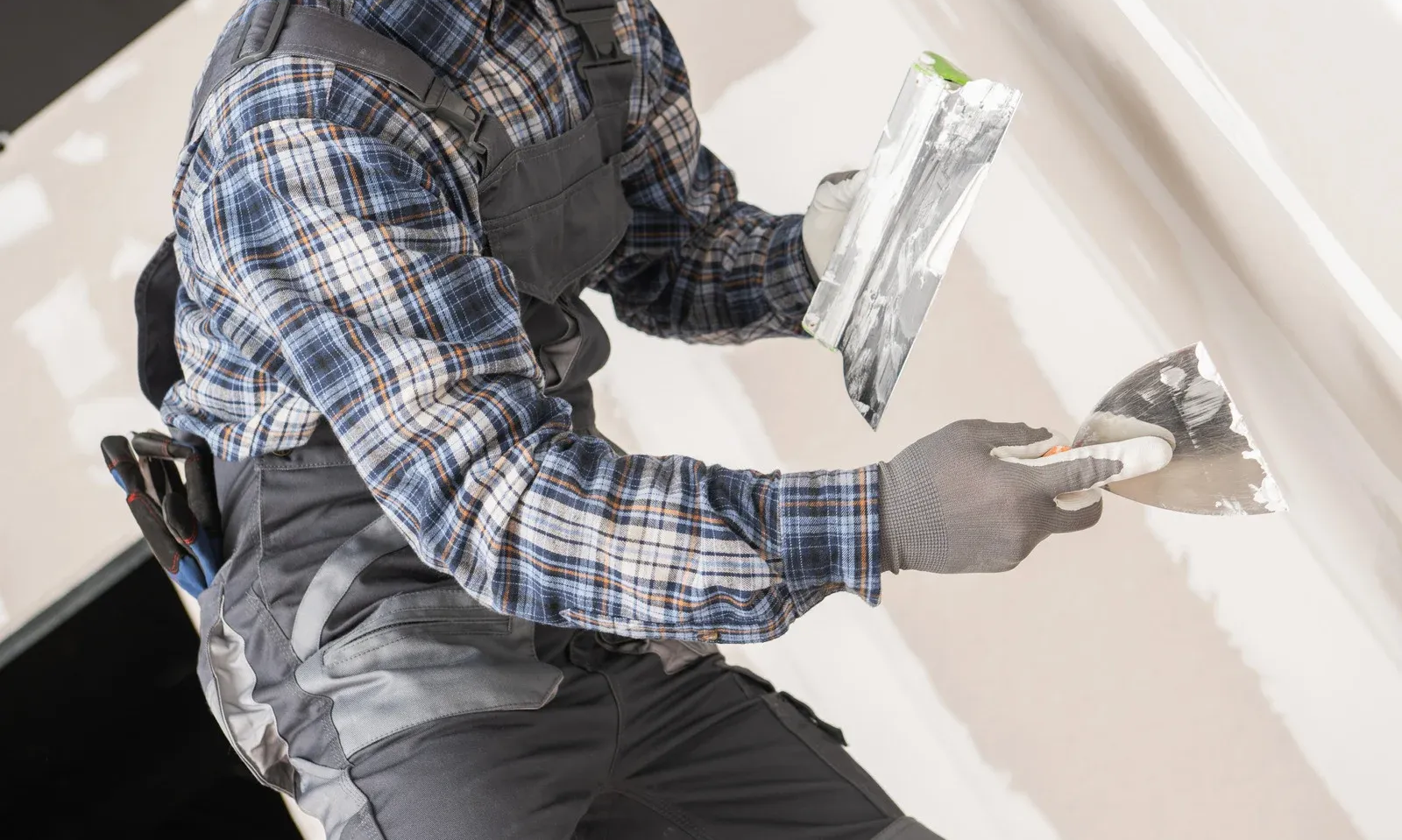
HOLES
Patch and Repair
Doorknob holes, furniture damage, and old fixture openings get backed properly, patched with new board, taped, coated, and textured rather than simply being filled with compound alone and sanded flat afterward.
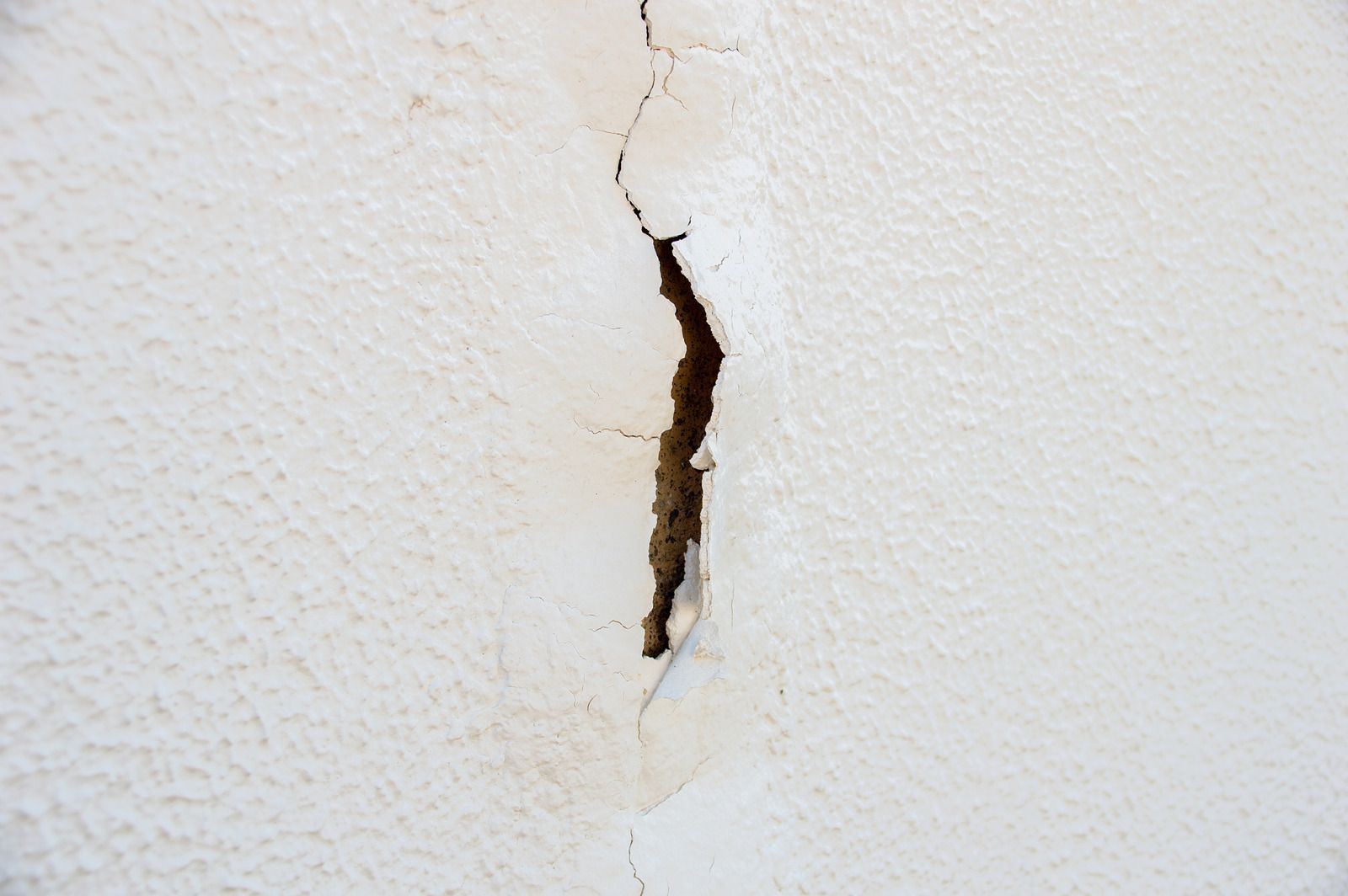
MOVEMENT
Crack Repair
Cracks above openings and along ceiling joints get opened up, taped or mesh reinforced depending on the cause, and feathered wide enough that the line does not telegraph through paint.
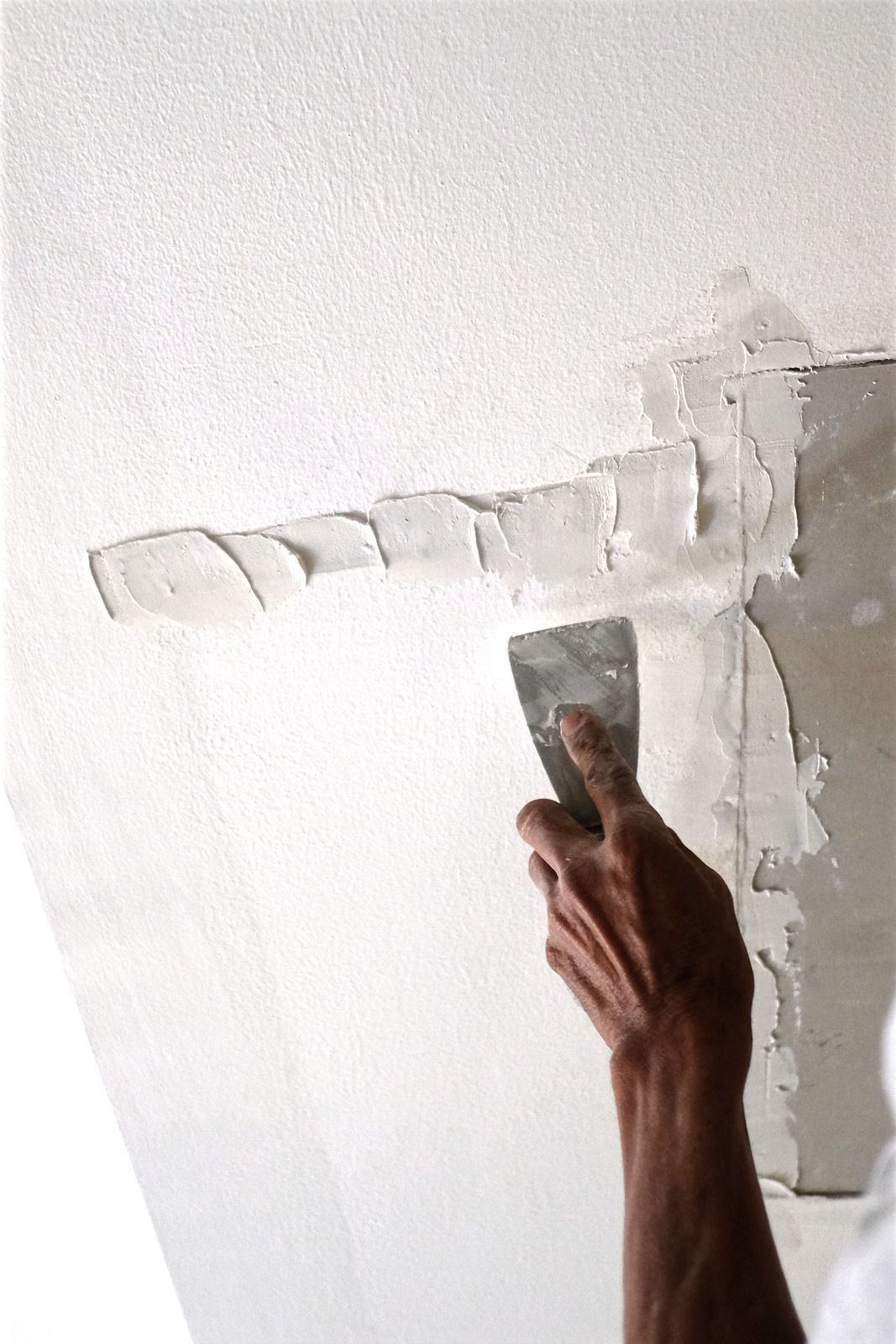
WATER
Water Damage Replacement
Stained and softened board comes out entirely. The cavity gets checked, dried, and inspected, the source gets identified, and new board goes in rather than the old material simply being sealed over.
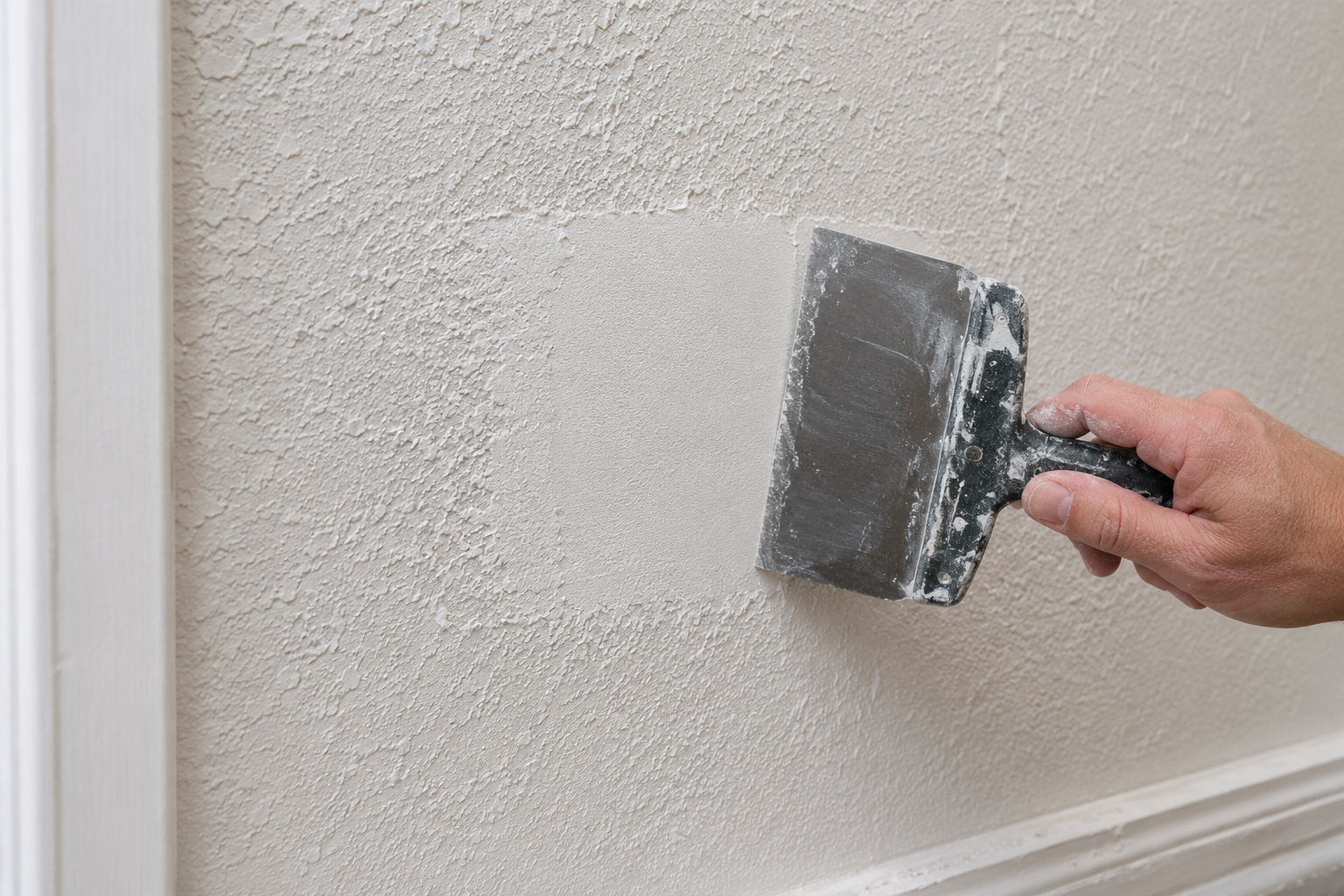
FINISH
Texture Matching
Knockdown, orange peel, skip trowel, and hand applied finishes all get tested on a sample board first, then sprayed and worked by hand to match the surrounding surface before painting.
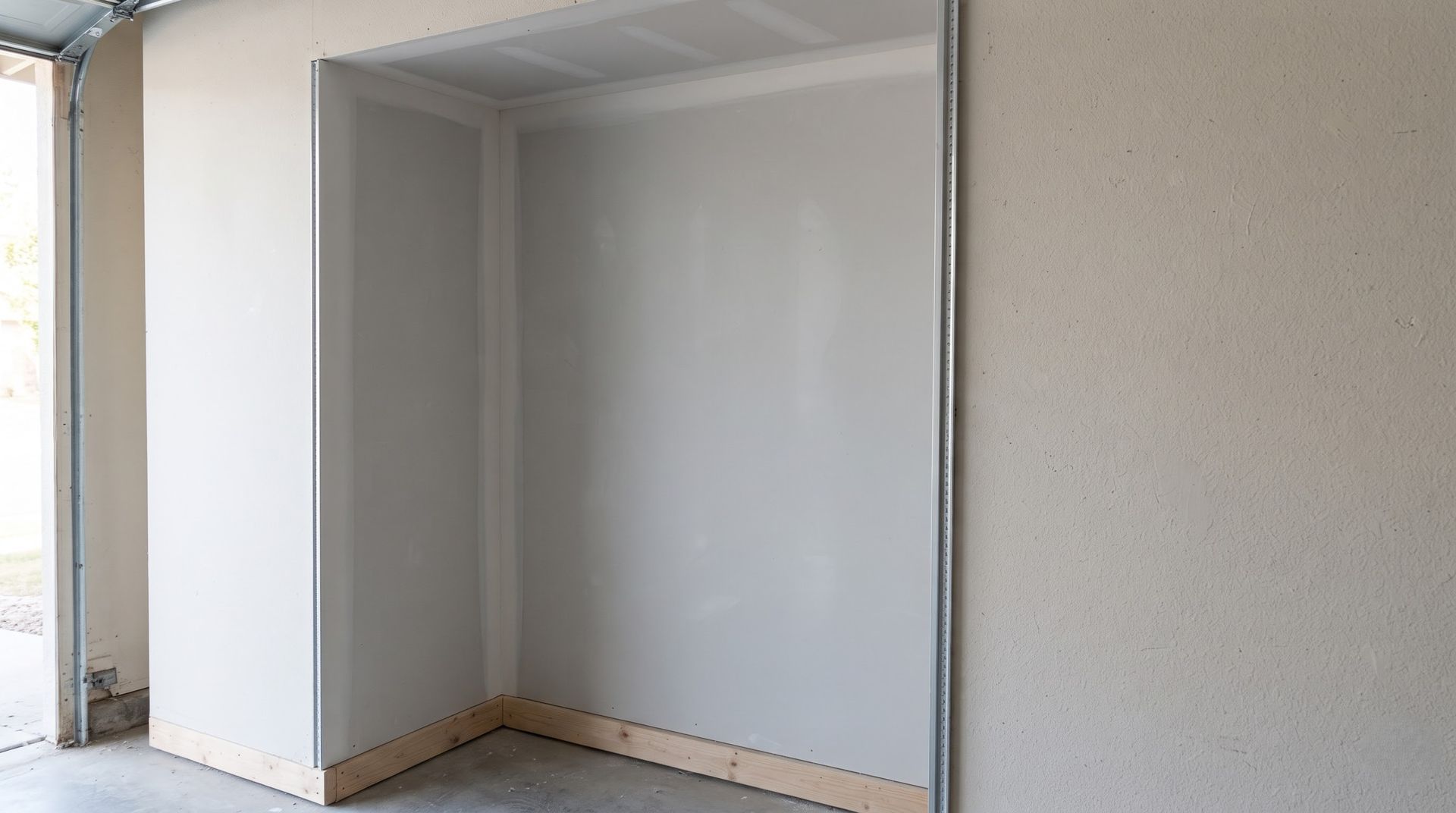
NEW BOARD
Small Installations
Closet builds, garage conversions, wall infills, and single room hangs all get board, tape, and finish carried through to a fully paint ready surface, including corner bead and every inside corner.
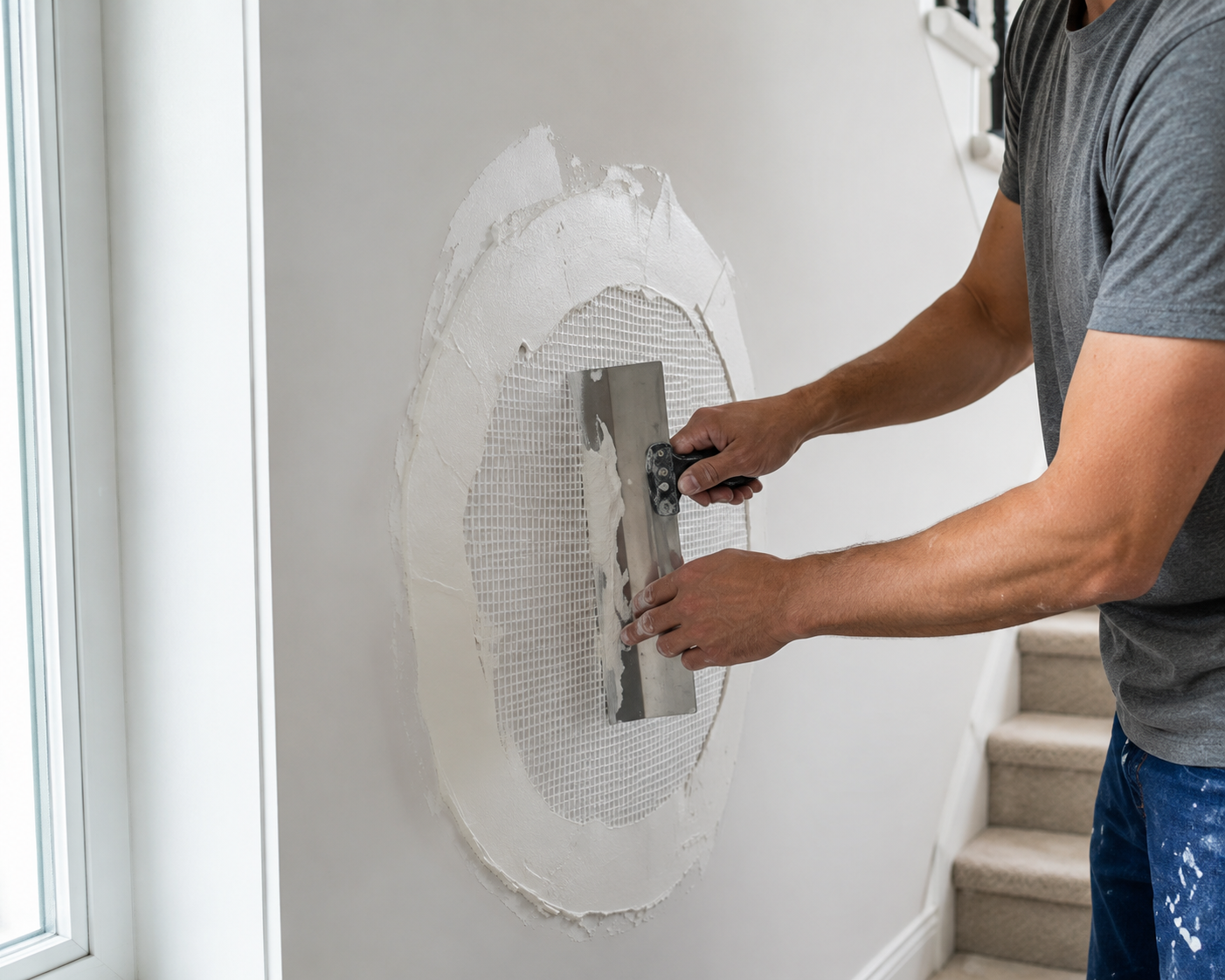
CEILINGS
Ceiling Repair
Ceiling work shows every flaw because of the way light crosses it. Sagging sections, cracks, and stains get repaired with the extra coats and much wider feathering that ceilings genuinely require.
THE WORD ON OUR WORK
WHAT OUR CLIENTS SAY.
The compliment we hear most is that people cannot show visitors where the damage was. The second is about the dust, or rather the absence of it, since containment and cleanup routinely take almost as long as the patching itself does.
FAQ
FREQUENTLY ASKED QUESTIONS.
Drywall questions almost always center on matching, timing, and dust. Here is what homeowners around Vancouver most often want to know before booking repair or small installation work.
Can you match my existing wall texture?
Usually yes. Knockdown, orange peel, and skip trowel are all reproducible, and hand applied textures can be worked to blend. We test on a sample board first rather than experimenting on your wall.
What causes cracks above doors and in ceiling corners?
Building movement. Framing shrinks, settles, and shifts seasonally, and the weakest points are always above openings and where two planes meet. Surface filling alone will not hold if the movement continues.
Should water damaged drywall be dried or replaced?
Replaced, in nearly every case. Gypsum board that has absorbed water loses strength and can support mold growth. Drying it in place and painting over the stain hides a problem rather than solving it.
How soon can I paint after a patch?
Once the final coat is genuinely dry and sanded, which in a humid house may be considerably longer than the label suggests. Painting over damp compound leads to flashing and adhesion problems.
Will there be a lot of dust?
Far less than most people expect. We contain the work area with plastic, use dustless sanding where possible, and vacuum as we go rather than sweeping fine particles into the air. Regular work for TTP Handymen LLC throughout Vancouver, WA.
How long does a typical drywall repair take?
Small patches often finish in a day with a fast setting compound. Larger repairs need coats to dry between passes, so plan on two or three visits spread over several days.
Why do my seams and nail heads keep showing?
Fasteners backing out as the framing dries, or coats applied too thin over tape. Popped fasteners get reset with new screws either side of them, then recoated and feathered properly. TTP Handymen LLC patches walls across Vancouver, WA.
Can I patch a small hole myself?
Small holes are manageable. The parts people struggle with are feathering wide enough that the repair disappears and matching texture, which is where most home repairs become visible under raking light.
HOW WE WORK
FROM CUT LINE TO FINISHED TEXTURE, HERE IS HOW.
STEP 01
Find the cause
Before any board comes out we determine why the damage happened in the first place. A stain means finding the leak. A crack means understanding the movement. Repairing without that guarantees a return visit.
STEP 02
Contain the area
Plastic goes up, floors get covered, and air vents get sealed off. Drywall dust travels much further through a house than people expect, and containing it is far easier than cleaning it up later.
STEP 03
Cut back to sound material
Damaged board gets cut out and removed back to solid framing, with clean square edges rather than ragged torn ones. Backing gets added wherever a patch would otherwise have nothing behind it to fasten to.
STEP 04
Board, tape, and coat
New board goes in flush, joints get taped, then multiple thin coats go on with wide feathering either side. Each coat gets its full drying time rather than being rushed along with a fan.
STEP 05
Match the texture
The existing finish gets identified and reproduced on a test board first. Once the match is genuinely right it gets applied to the repair and worked by hand to blend into the surrounding wall.
STEP 06
Sand, prime, and clean
Final sanding is done dustless wherever possible, the repair gets primed so paint takes evenly across it, and the whole room gets vacuumed and wiped down thoroughly before we pack up and leave.
Get Your Free Estimate
MAKE THE PATCH DISAPPEAR ENTIRELY, FREE.
Whether it is one hole or a ceiling that has been stained since last winter, we will tell you what caused it and what it takes to fix. Reach out through the contact page to get started.
WHAT YOUR DRYWALL QUOTE COVERS:
✓ Diagnosis of what caused the damage
✓ Full containment and dust control
✓ Cut back to sound board and framing
✓ Multiple feathered coats, not a single fill
✓ Texture tested and matched before application
✓ Primed, paint ready surface and full cleanup