

Painting
PAINTING IN Vancouver, WA
Exterior latex generally needs air and surface temperatures above 60 degrees, has to stay above the dew point for around 48 hours after application, and should never go on less than a day after heavy rain. TTP Handymen handles painting throughout Vancouver, WA, covering interior rooms year round, exteriors inside the dry summer window, plus the washing, scraping, filling, caulking, and priming that decide how long the finish lasts. Estimates are free, and the work is insured to $1 million.
PREP IS NOT PREPARATION FOR THE JOB. IT IS THE JOB.
Rolling paint on a wall is the fastest and least skilled part of the whole process. Everything that determines whether the finish lasts 3 years or ten happens before the lid comes off. Washing off chalk and mildew, scraping loose material, filling and sanding, caulking open joints, and priming bare substrate. That work is where the hours go.
Skip any of it and the paint will fail exactly where the prep was skipped, usually within two wet seasons. We would rather lose the job on price than skip it and have the finish fail on us.
✓ Surfaces washed and given real drying time before coating
✓ Loose material scraped back to a sound edge
✓ Joints caulked and bare substrate primed
✓ Temperature and dew point checked before starting
PAINTING
OUR EXTERIOR SEASON IS SHORTER THAN PEOPLE THINK.
July and August each average well under an inch of rain here. November through January each average close to 6. That leaves a genuinely narrow window for exterior work, and it is narrower still once you account for surfaces needing a day or more to dry after rain and temperatures staying above dew point for two nights after coating. Booking exterior work early is not a sales line here, it is arithmetic.
WOOD SIDING IN THIS CLIMATE REPAINTS FASTEST OF ALL.
Painted wood siding typically wants recoating every 3 to 7 years, against roughly ten for stucco or vinyl. Constant moisture, shade, and organic growth all shorten that further on north facing elevations. Which is why we treat washing and mildew removal as a required first step rather than an upsell, and why we look hard at where water is sitting before recommending a color at all.
PREP IS WHERE THE PAINT JOB IS WON OR LOST.
Everybody agrees with that sentence and comparatively few crews act on it, because prep is slow, unglamorous, and invisible in the finished photograph. Across 4 years of interior and exterior work here we have repainted plenty of houses that were coated 3 years ago over mildew and chalk. The paint did not fail. The surface underneath it did, and it took the new coating with it when it went.
WHAT A PROPERLY PREPPED PAINT JOB DELIVERS
YEARS MORE SERVICE LIFE
Coating a clean, sound, primed surface routinely doubles how long a finish holds compared with painting straight over chalk, mildew, and loose material. The prep is what you are actually paying for.
AN EVEN, UNIFORM FINISH
Primer over patched and bare areas prevents the flashing and sheen differences that show up under raking light and give away a rushed job immediately.
SEALED, PROTECTED SUBSTRATE
Paint is the weather barrier on wood siding and trim. A sound film with sealed joints keeps water out of the material it is protecting entirely.
NO PEELING WITHIN A SEASON
Adhesion failure almost always traces to a contaminated or damp surface at the time of coating, and both are entirely avoidable with proper prep and timing.
CLEAN LINES AND EDGES
Cut lines at trim, ceilings, and transitions are what the eye actually judges a paint job by, far more than the color that was chosen.
A HOUSE THAT READS AS MAINTAINED
Fresh, intact exterior paint is the strongest single signal that a property has been looked after, and it changes the whole street view of the house.
WHAT WE PAINT
OUR PAINTING WORK
Painting jobs range from a single accent wall to a full exterior repaint. These are the areas we are asked to handle most often for homeowners around Vancouver and Clark County.
INTERIOR
Interior Walls and Ceilings
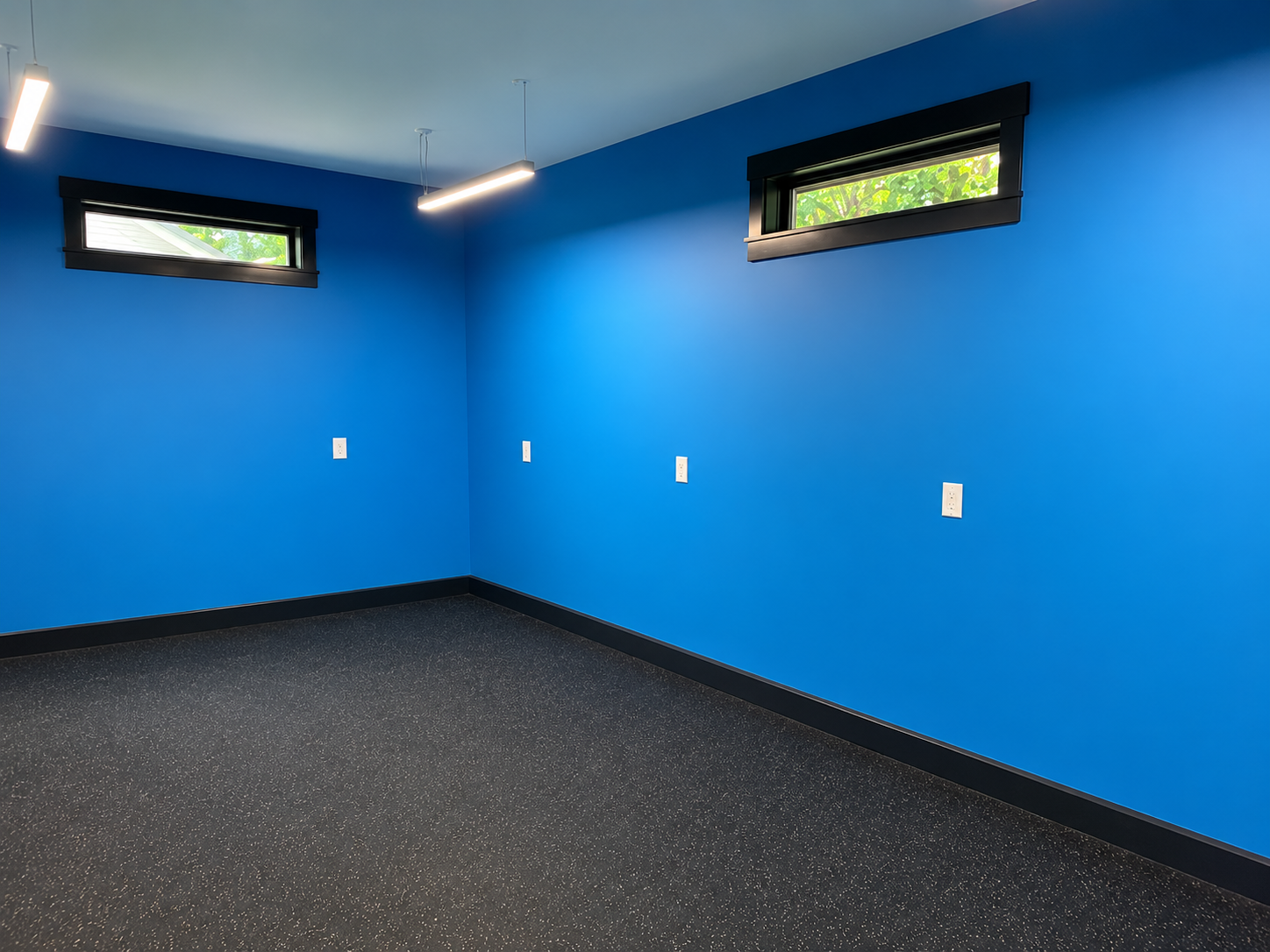
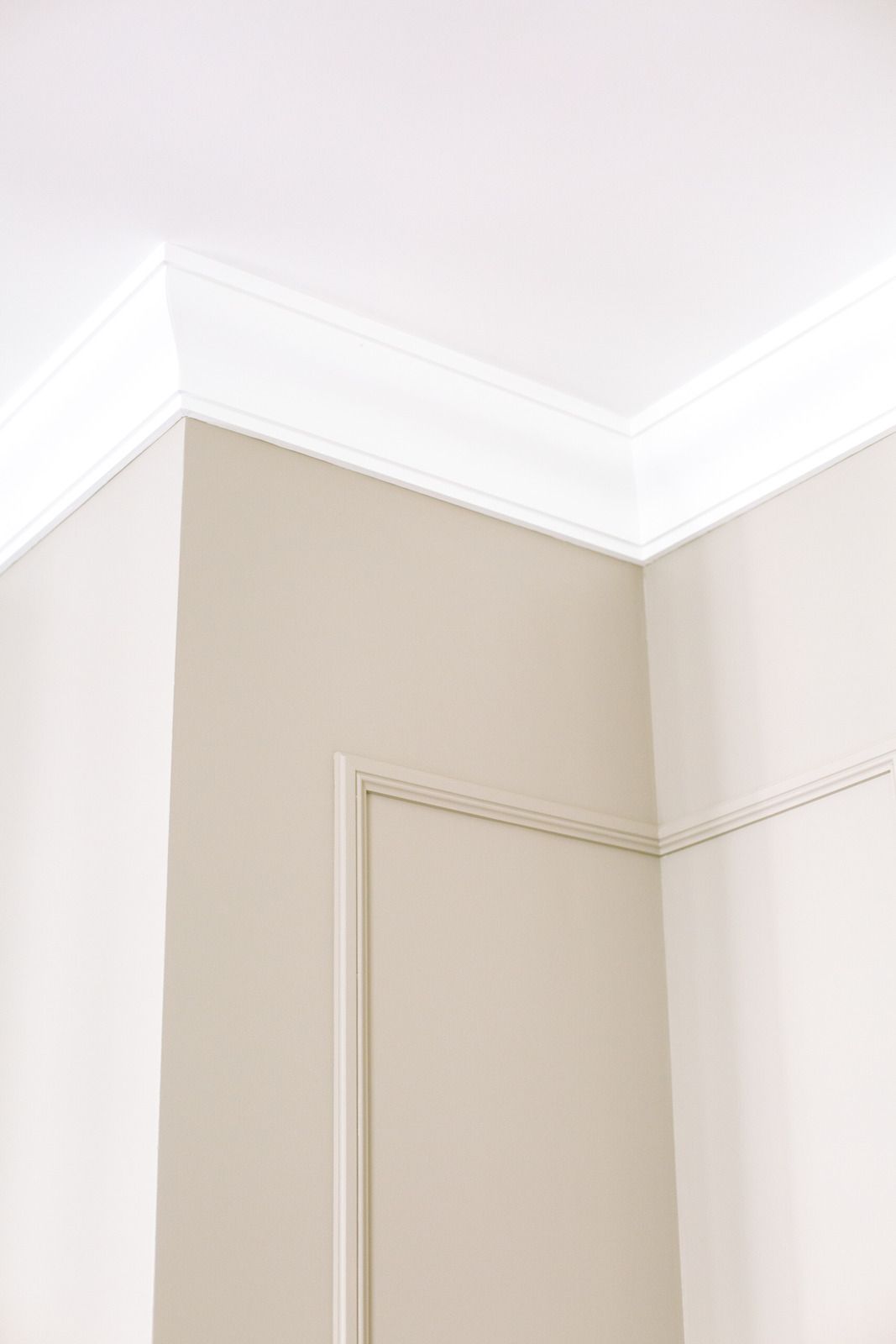
Rooms get patched, sanded, cut in, and rolled with proper coverage rather than a stretched single coat. Furniture gets moved and covered, and floors get fully protected throughout. Two full coats are standard rather than an upgrade.
EXTERIOR
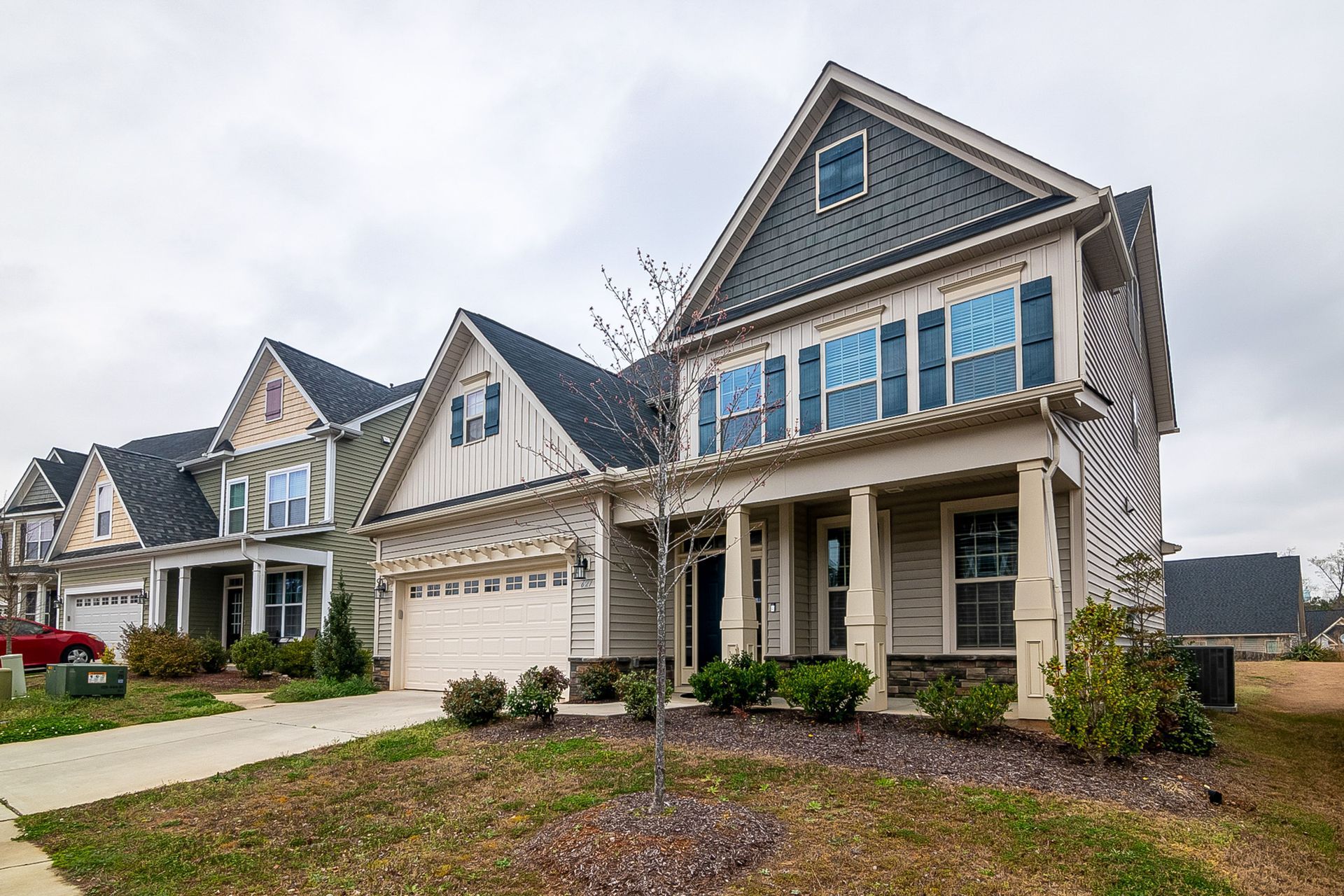
Exterior House Painting
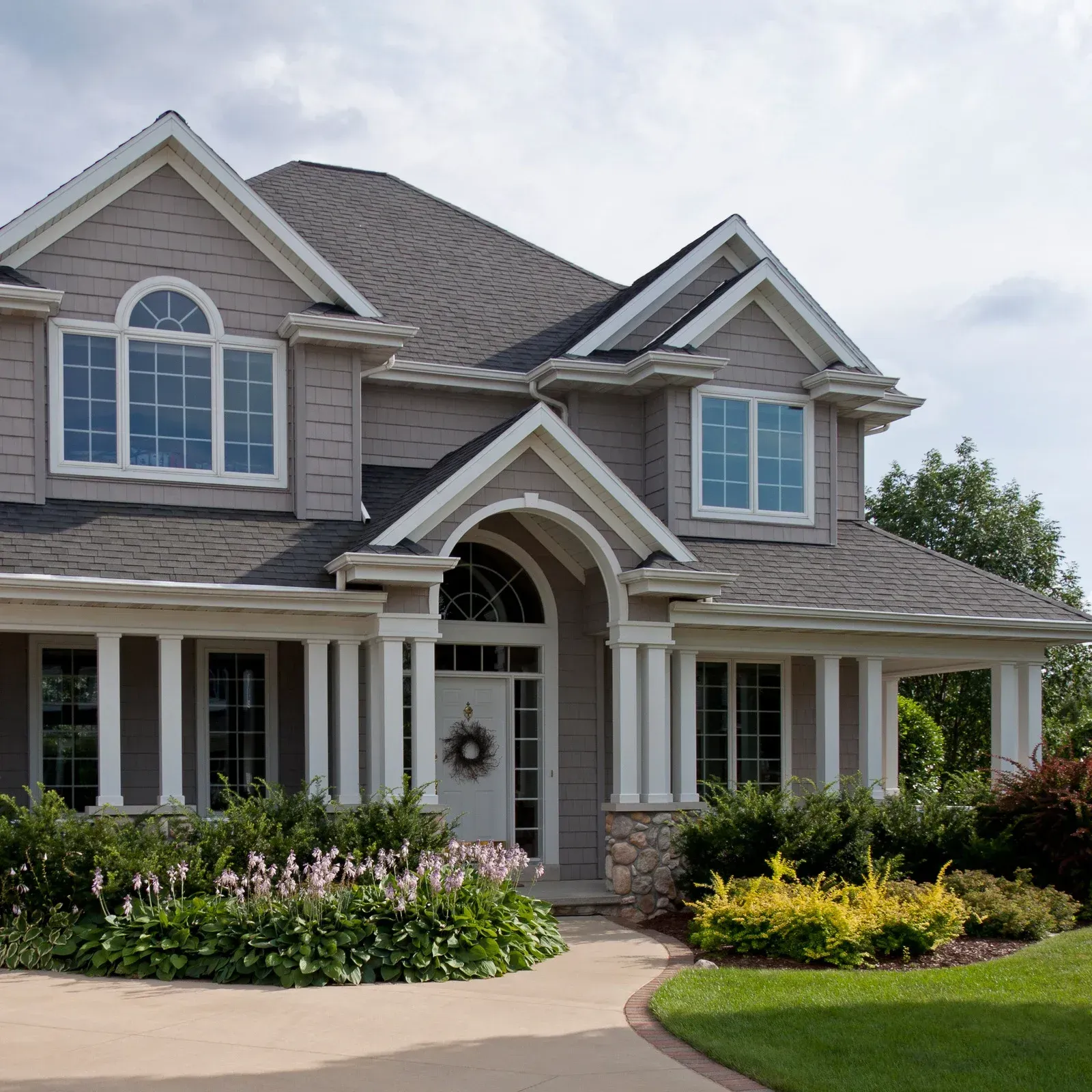
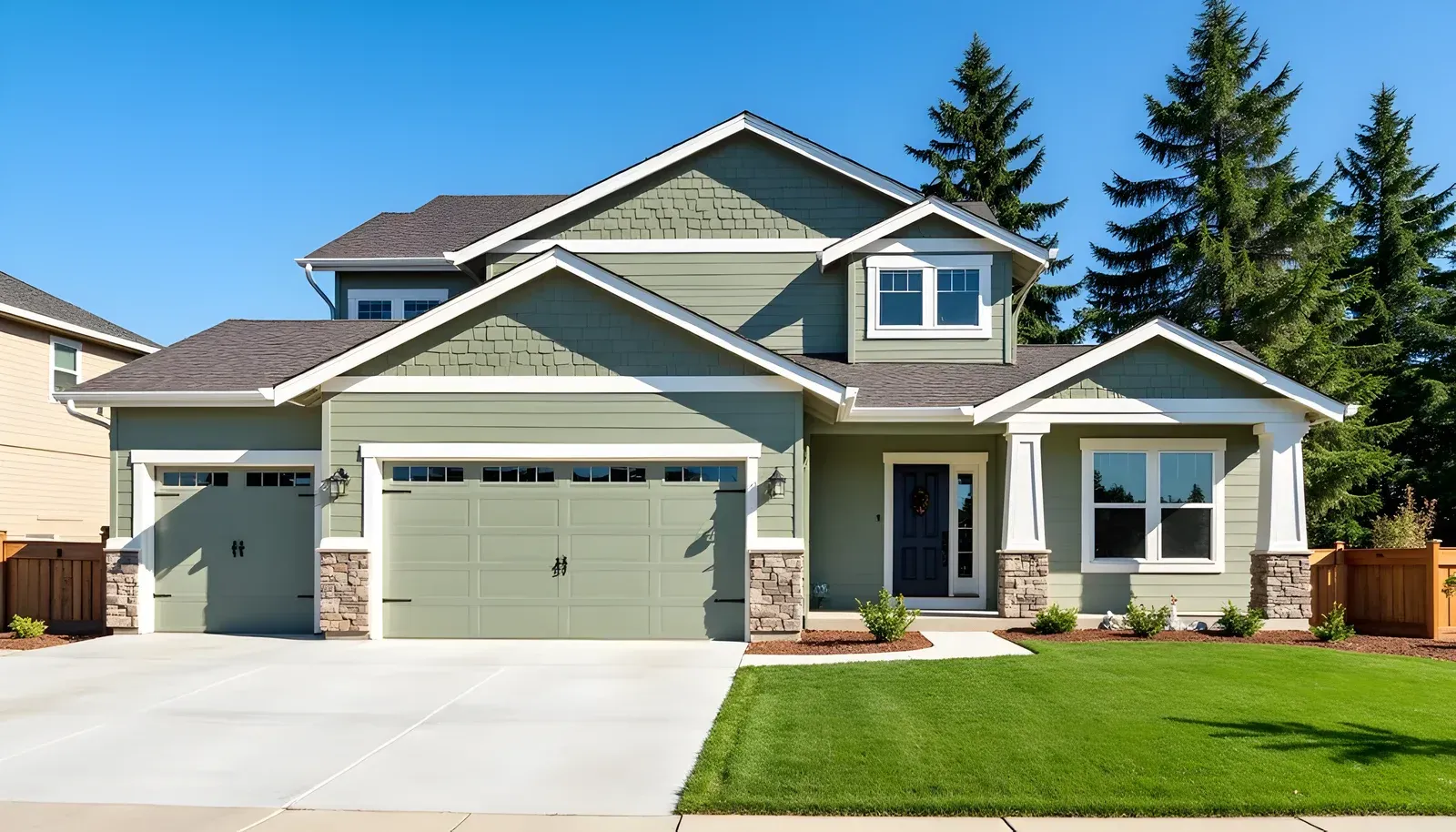
Siding, trim, fascia, and soffit get washed, scraped, filled, caulked, and primed before coating. Work gets scheduled around forecast temperature and dew point rather than around the calendar. We watch the forecast for the week ahead.
DETAIL
Trim, Doors, and Windows
Baseboard, casing, crown, doors, and window trim get filled, sanded, and coated to a smooth finish. Sharp, clean cut lines at every edge are what the whole room gets judged on.
CABINETS
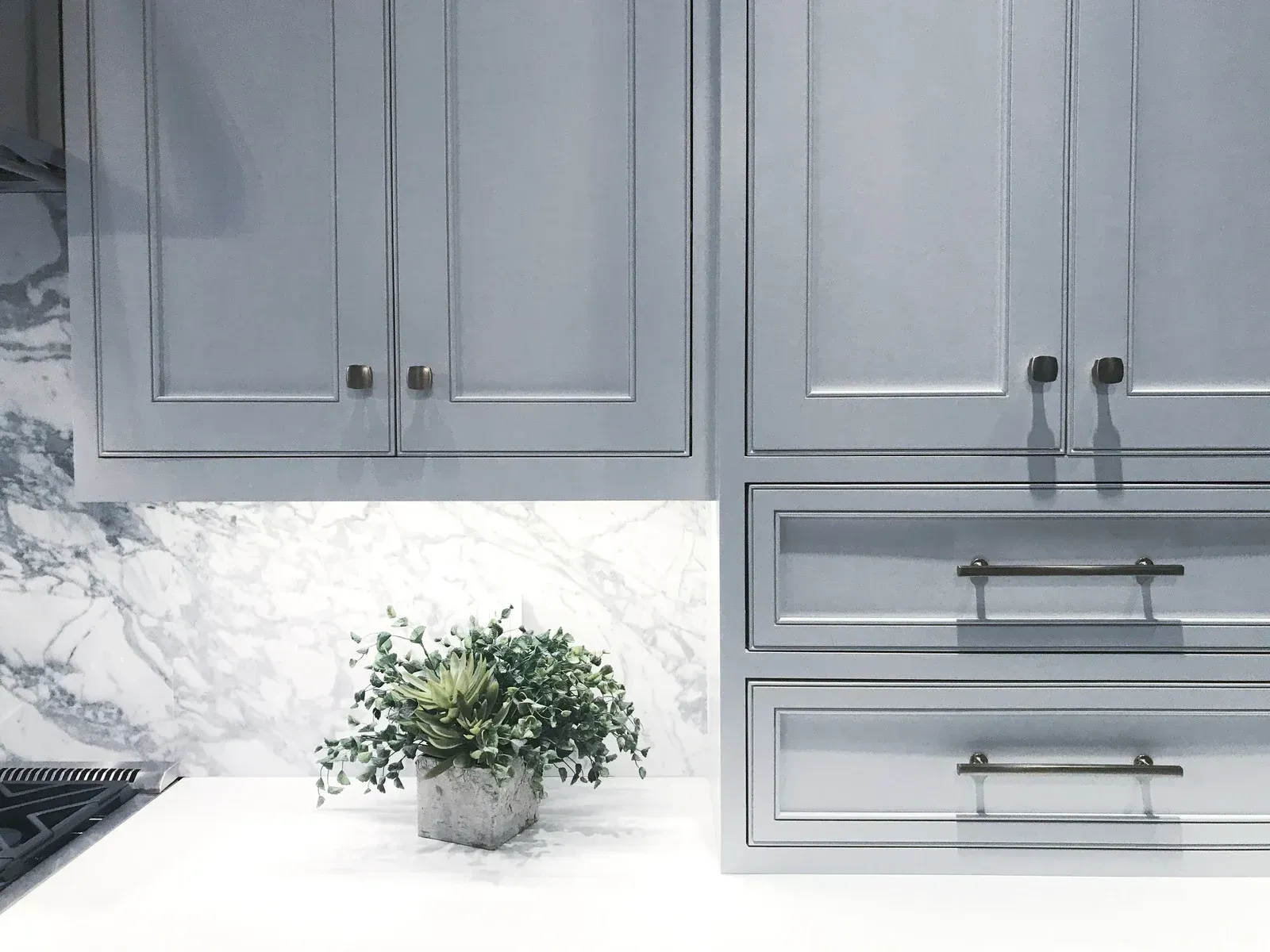
Cabinet Painting
Cabinet doors and boxes get degreased, sanded, primed, and finished with a coating built for the wear kitchens produce. Hardware comes off and goes back rather than being cut around.

PREPARATION
Surface Prep and Repair
Loose paint, failed caulk, nail holes, damaged filler, and small rot repairs all get addressed first. This is where most of the labor sits and where the result is decided.
SPECIALTY
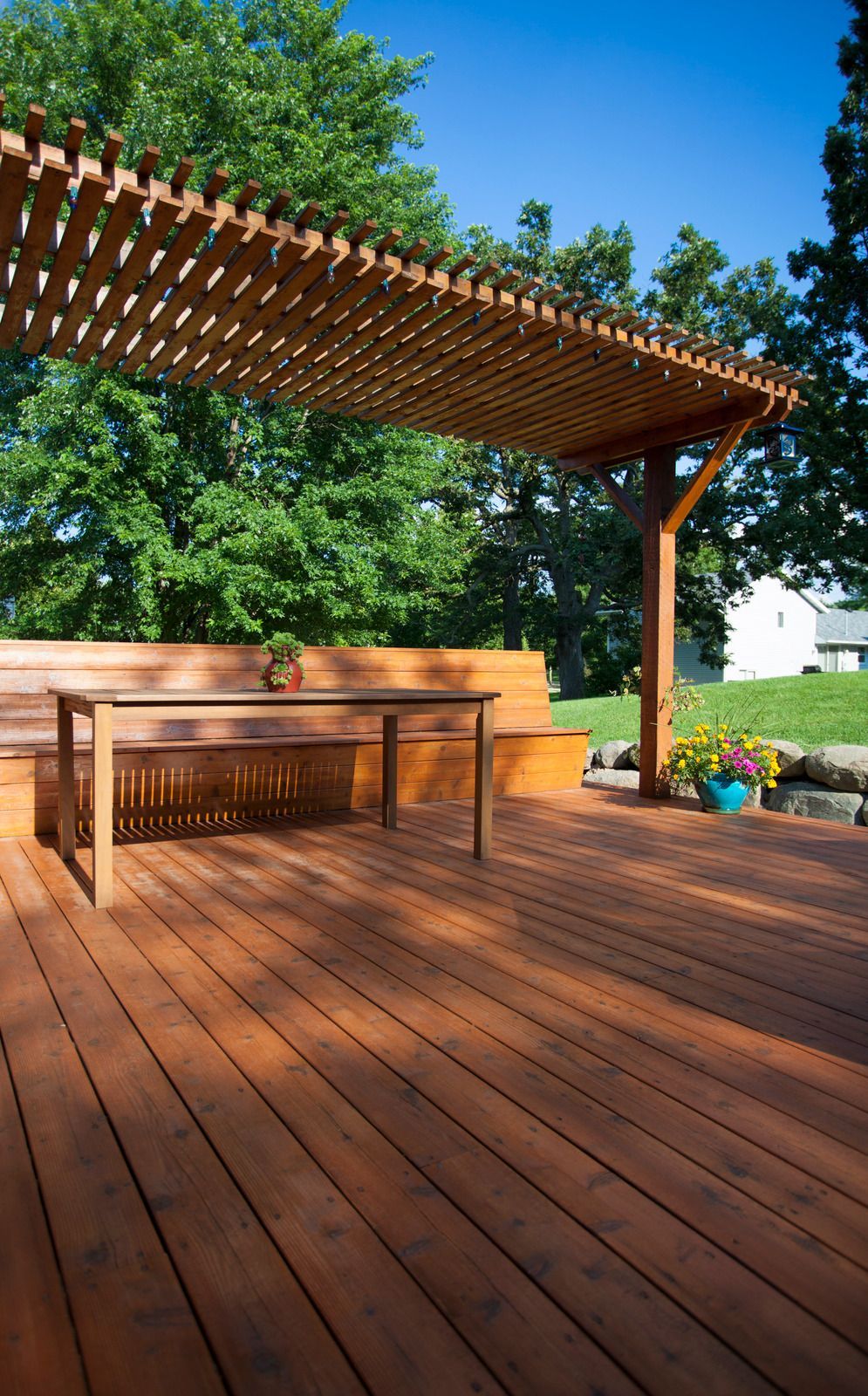
Fences, Decks, and Outbuildings
Sheds, garages, fences, and railings get cleaned and coated with products suited to exposed exterior wood. Timing gets planned around drying days the same way house exteriors do. Bare exterior wood usually needs weathering before it will take anything.
THE WORD ON OUR WORK
WHAT OUR CLIENTS SAY.
Most feedback we get about painting is not about the color at all. It is about the cut lines at the ceiling, about the furniture being put back where it started, and about a house that still looks the same 4 winters later.
FAQ
FREQUENTLY ASKED QUESTIONS.
Painting questions here are mostly about weather windows, prep, and how long a finish should last. Here is what homeowners around Vancouver most commonly ask before booking.
What temperature is right for exterior painting?
Traditional latex wants air and surface temperatures above 60 degrees, though some modern exterior products go considerably lower. Temperatures also need to stay above dew point for roughly 48 hours afterward.
How long after rain can you paint outside?
At minimum a full day after heavy rain, and the surface itself has to be genuinely dry rather than looking dry. Wood especially holds moisture well after the surface appears ready.
How often should a house be repainted?
Painted wood siding typically wants recoating every 3 to 7 years in this climate. Stucco and vinyl usually go around ten, and painted brick can hold considerably longer than either. TTP Handymen LLC repaints homes across Vancouver, WA.
Do I really need to wash the house first?
Yes. Paint applied over chalking, mildew, or algae fails early regardless of the product's quality. Washing plus proper drying time is the single biggest factor in adhesion and longevity. It is also the cheapest part of the job.
Is primer necessary if the paint has primer in it?
Over sound, previously painted surfaces often not. Over bare wood, patched areas, stains, bare drywall, or a significant color change, a dedicated primer still performs considerably better. Spot priming those areas costs very little and prevents uneven sheen.
Do painters move the furniture?
We move and cover what needs moving, and floors get fully protected. Small valuables, electronics, and anything fragile are better handled by you before we arrive. Tell us about anything heavy ahead of time.
How soon can I hang things back on the walls?
Wait a few days before hanging or leaning anything against fresh interior paint. Paint dries to the touch quickly but continues hardening for considerably longer than that afterward. Rushing that step is how fresh paint picks up permanent marks.
Can you paint in direct sunlight?
Not well. Coating a hot, sunlit surface causes it to skin over before it levels, which produces lap marks and weak adhesion. We work around the sun through the day. Steady work for TTP Handymen LLC in Vancouver, WA.
HOW WE WORK
FROM WASHDOWN TO FINAL COAT, HERE IS HOW.
STEP 01
Assess and plan
Substrate, existing coating condition, moisture problems, and any rot get identified before quoting. That determines the prep scope, the product, and realistically when the work can happen. Nothing gets quoted from a photograph or a phone description.
STEP 02
Wash and dry
Exteriors get soft washed to remove chalk, mildew, and algae, then given genuine drying days. Interiors get cleaned where grease or smoke residue would compromise adhesion later on. Moisture readings settle the question rather than a look at the surface.
STEP 03
Scrape, fill, and sand
Loose material comes back to a sound edge, holes and damage get filled, and everything gets sanded flat. This stage takes the most time and shows the least. It is also the stage that decides how the finish holds up.
STEP 04
Caulk and prime
Open joints get sealed with a paintable product, and bare substrate, patches, and stains get spot primed. Skipping priming is what produces uneven sheen in the finished coat. Drainage joints still get deliberately left open on exteriors.
STEP 05
Protect and coat
Floors, landscaping, hardware, and fixtures get covered or removed, then paint goes on in full coats with proper coverage rather than one stretched pass to save material. Coverage rates get followed rather than stretched to save a gallon.
STEP 06
Inspect and restore
Cut lines and coverage get checked in different light, touch ups get done, coverings come off, and furniture and hardware go back exactly where they started. You walk the work with us before we load the truck.
Get Your Free Estimate
BOOK THE EXTERIOR BEFORE THE WINDOW CLOSES, FREE.
The dry stretch here is short and it fills quickly every year. Reach out through the contact page and we will assess the surfaces, talk through timing, and put a real number in front of you.
WHAT YOUR PAINTING QUOTE COVERS:
✓ Substrate and coating condition assessed first
✓ Washing and drying time built into the schedule
✓ Scraping, filling, sanding, and caulking included
✓ Spot priming of bare and patched areas
✓ Full coats, not a stretched single pass
✓ Furniture, hardware, and site fully restored