

Picture, Art, and Mirror Hanging
PICTURE, ART, AND MIRROR HANGING IN Vancouver, WA
Galleries hang work centered at 57 inches from the floor because that is average eye level, and a standard picture hook holds around 20 pounds only when it lands in a stud. TTP Handymen handles picture, art, and mirror hanging across Vancouver, WA, locating the framing behind the wall, using cleats and rated anchors for heavy pieces, and laying out gallery walls so everything sits level and evenly spaced. Nothing to pay for an estimate, and insured to $1 million.
THE WALL DECIDES WHAT THE HARDWARE HAS TO BE.
Drywall alone holds almost nothing. A nail in board carries a few pounds at best, a small toggle in half inch board carries perhaps thirty, and a larger toggle can reach a hundred. A French cleat into framing handles hundreds. None of that is visible once the piece is up, which is exactly why it gets guessed at so often.
Plaster, brick, and concrete each change the answer again, and we identify the wall before choosing anything. Weighing the piece takes a moment and decides everything that follows it, so we do that before choosing anything.
✓ Framing located before any hole is made
✓ Anchors rated for the actual weight of the piece
✓ Cleats used for heavy mirrors and large frames
✓ Layout marked and leveled before drilling
PICTURE, ART, AND MIRROR HANGING
ONE HOLE IN THE RIGHT PLACE BEATS FOUR IN THE WRONG ONE.
Most people hang a piece twice. Once where they thought it should go, and once where it actually looks right, leaving the first set of holes behind. Working out the height, the spacing, and the relationship to furniture before anything is drilled is the entire difference. Paper templates, a laser level, and marking the layout first take a few extra minutes and leave one clean set of holes.
OLDER VANCOUVER HOUSES HIDE PLASTER AND SURPRISES.
Homes around downtown and the older neighborhoods often have lath and plaster rather than drywall, and it behaves completely differently. Standard anchors crumble it, and drilling without pilot holes cracks it in a way that spreads. There is also more wiring and plumbing running through interior walls than people expect. We check for both before committing to a location rather than discovering them mid drill.
ONE HOLE, IN THE RIGHT PLACE, THE FIRST TIME.
That is really the whole service. Over 4 years of hanging work in homes around Clark County we have taken down plenty of pieces held up by hardware that was never going to carry them, and patched plenty of extra holes from earlier attempts. Getting the height, the spacing, and the fixing right on the first pass is quicker than fixing it afterward and leaves a wall you do not have to touch up.
WHAT PROPERLY HUNG ARTWORK DELIVERS
PIECES THAT STAY PUT
Hardware rated for the real weight, fixed into framing or a proper anchor, means nothing works loose and comes down onto a floor or a piece of furniture.
ONE SET OF CLEAN HOLES
Layout planned and marked before drilling means no abandoned holes to patch, which matters most on plaster and on any wall you are not repainting.
A ROOM THAT LOOKS INTENTIONAL
Height, spacing, and alignment are what make a wall read as designed rather than decorated. Most rooms are hung too high, and correcting it changes everything.
LEVEL THAT STAYS LEVEL
Two point hanging and cleats stop frames drifting out of true every time a door closes nearby, which is the small irritation people never quite fix.
SAFE HEAVY MIRRORS
A large mirror is genuinely dangerous if it comes off a wall. Cleats into framing carry the weight properly and hold the piece flat against the surface.
GALLERY WALLS THAT WORK
Multiple pieces need consistent spacing and a shared visual line. Laid out on the floor and templated first, they go up in one pass and look deliberate.
WHAT WE HANG
OUR HANGING WORK
Hanging jobs range from a single frame to an entire wall of pieces. These are the installations we get called out for most often across Vancouver and the surrounding communities. Most visits cover several of them at once.
FRAMES
Artwork and Photographs
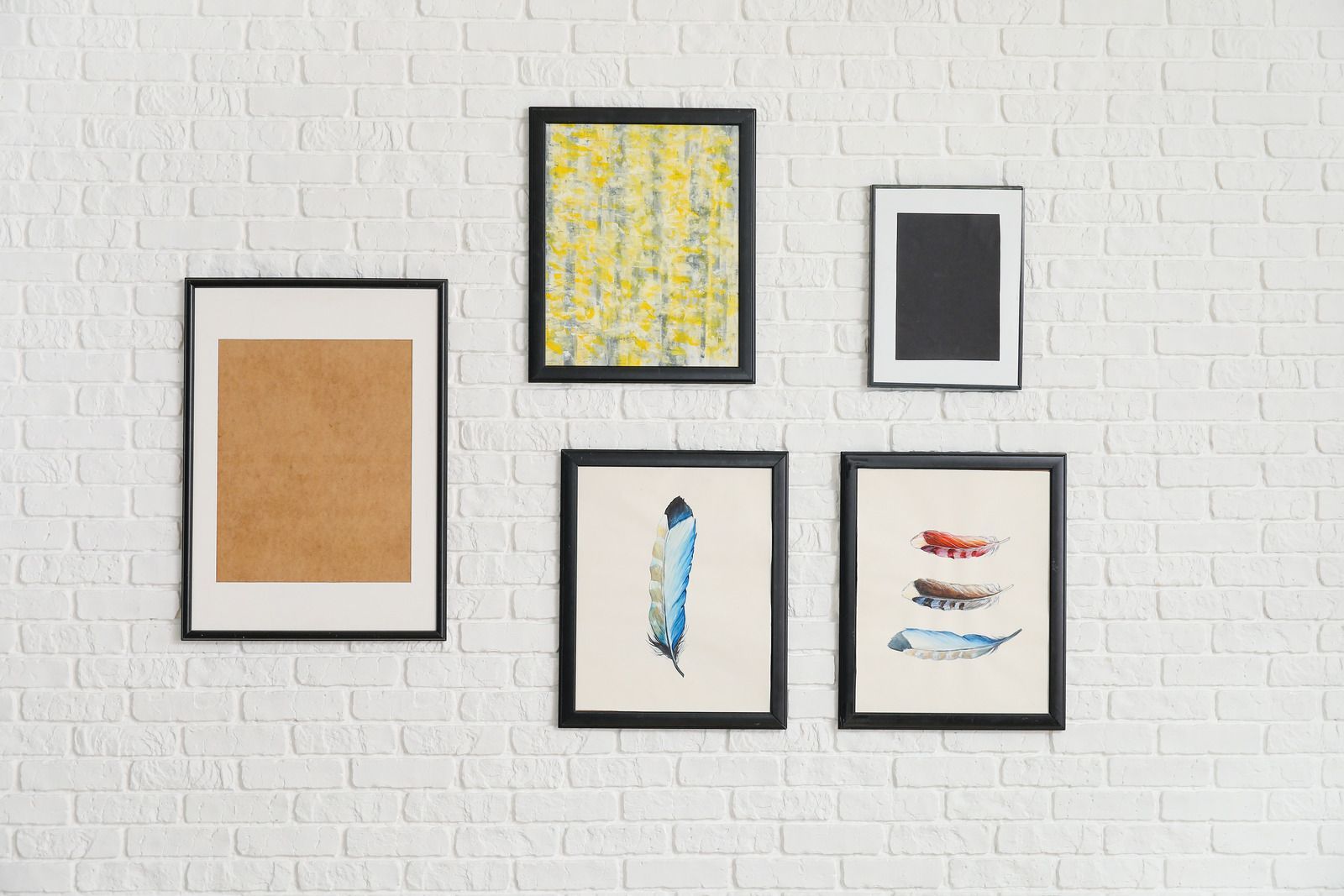
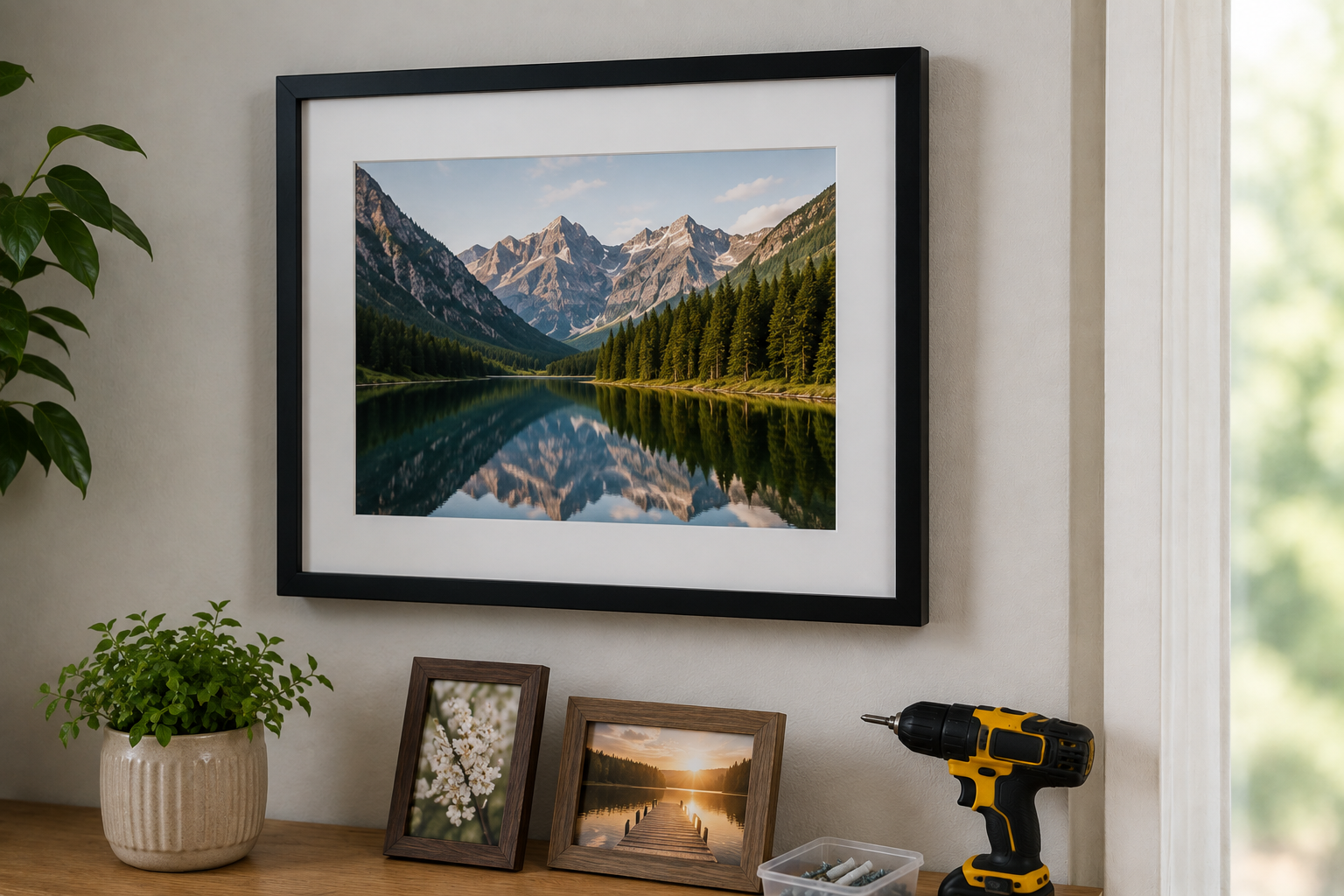
Single pieces get positioned at the right height for the room and the furniture below, then fixed with hardware suited to both the weight and the wall type. Two hanging points keep the frame from drifting out of level.
MIRRORS
Heavy Mirror Installation
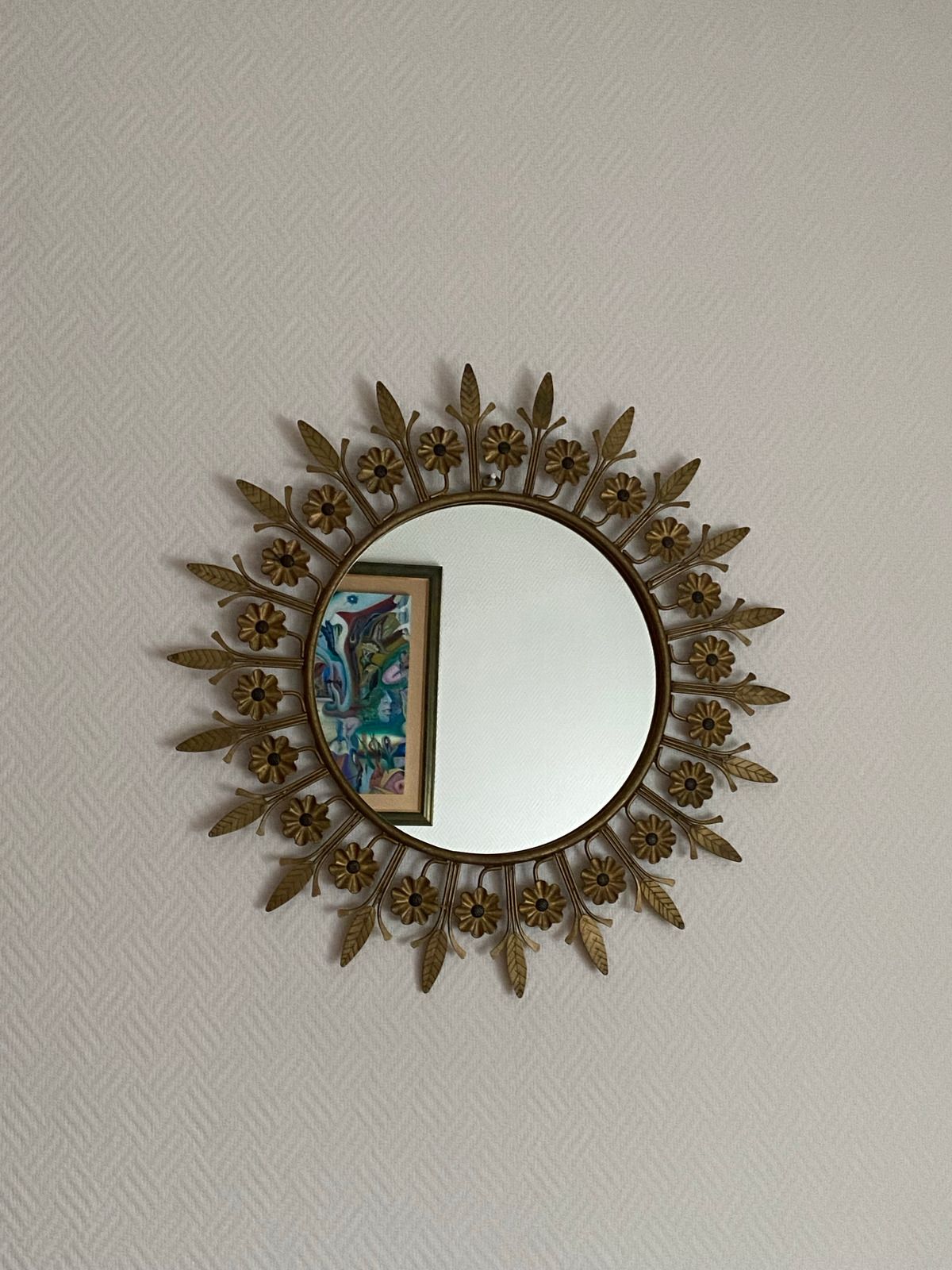
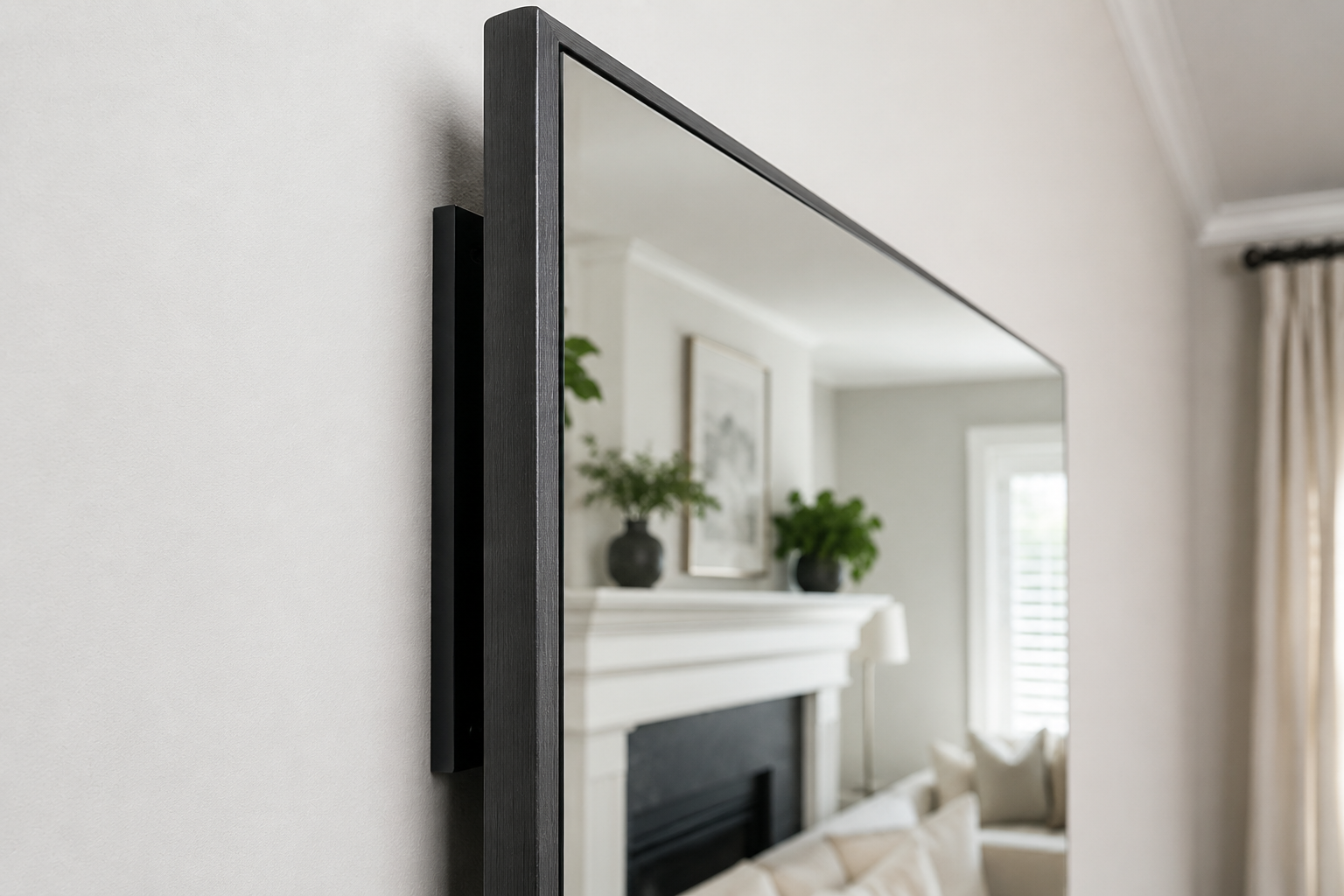
Large mirrors get hung on cleats fixed into framing rather than on hooks. The cleat carries the load along its length and holds the piece flat to the wall. It is far safer than any single hook arrangement.
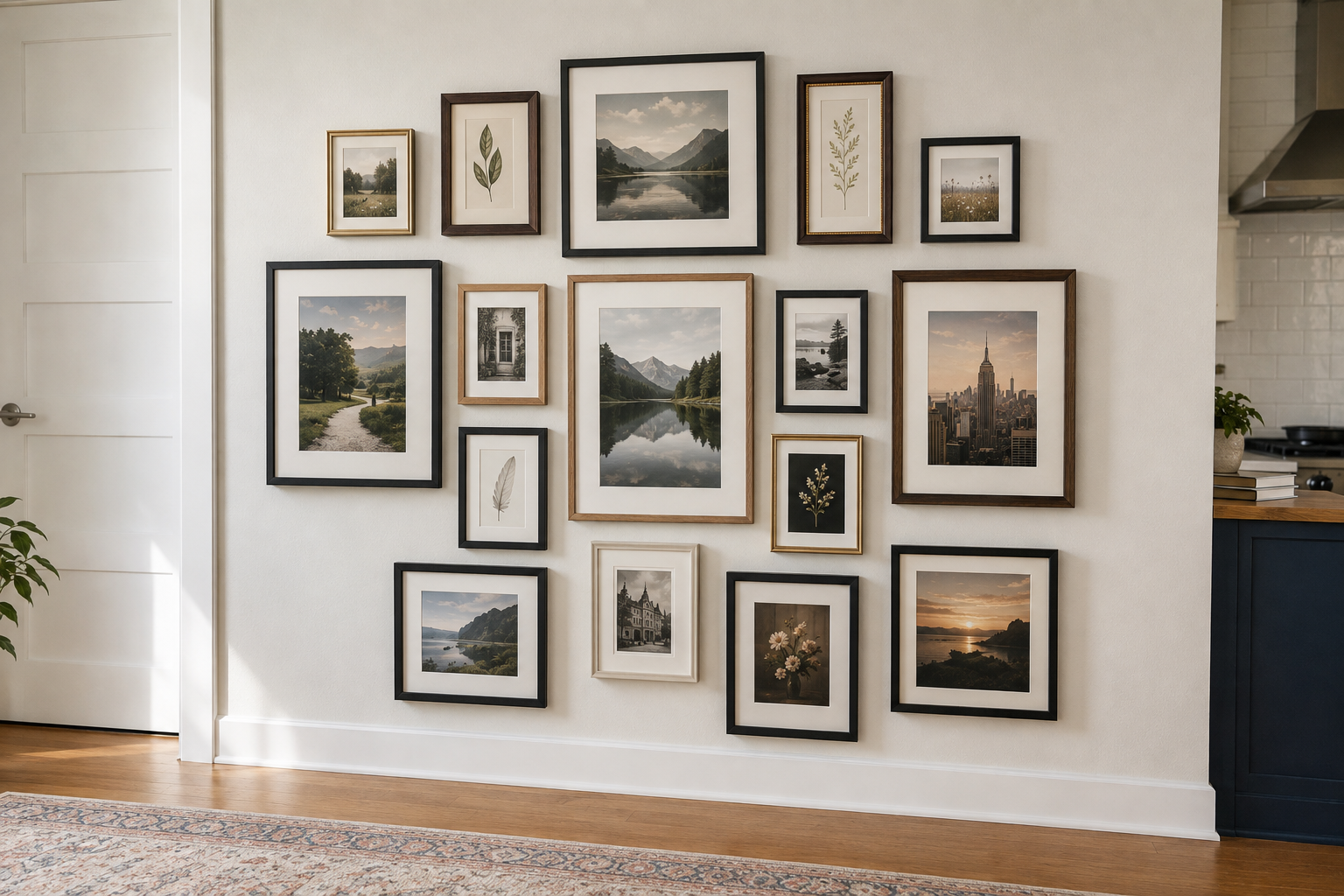
GROUPINGS
Gallery Wall Layout
Multiple pieces get laid out on the floor first, then templated onto the wall so spacing and alignment are agreed before a single hole is drilled anywhere. Adjusting a paper template costs nothing, unlike moving a hung frame.
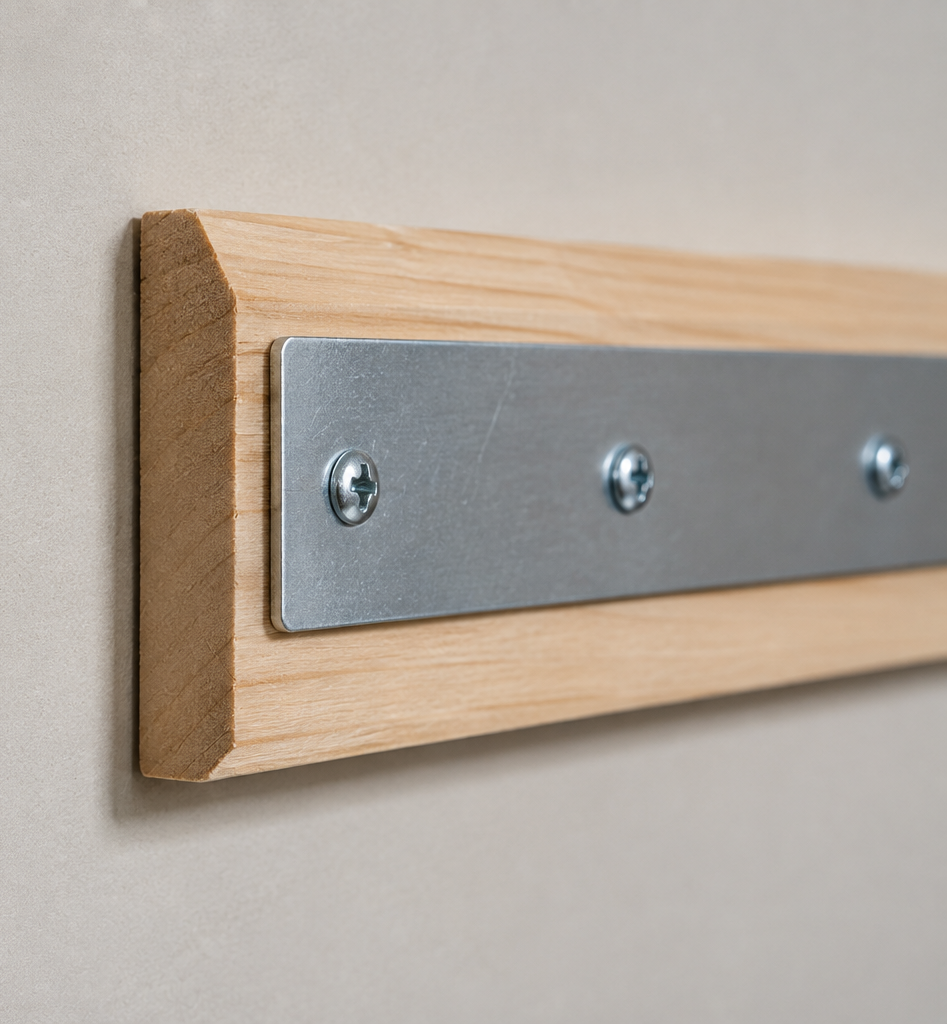
HARDWARE
Cleats and Rated Anchors
French cleats, toggle bolts, and heavy duty anchors get selected for the actual weight and substrate, rather than whatever hardware happened to come in the box. Boxed hardware is generally sized for the lightest version of the product, not yours.
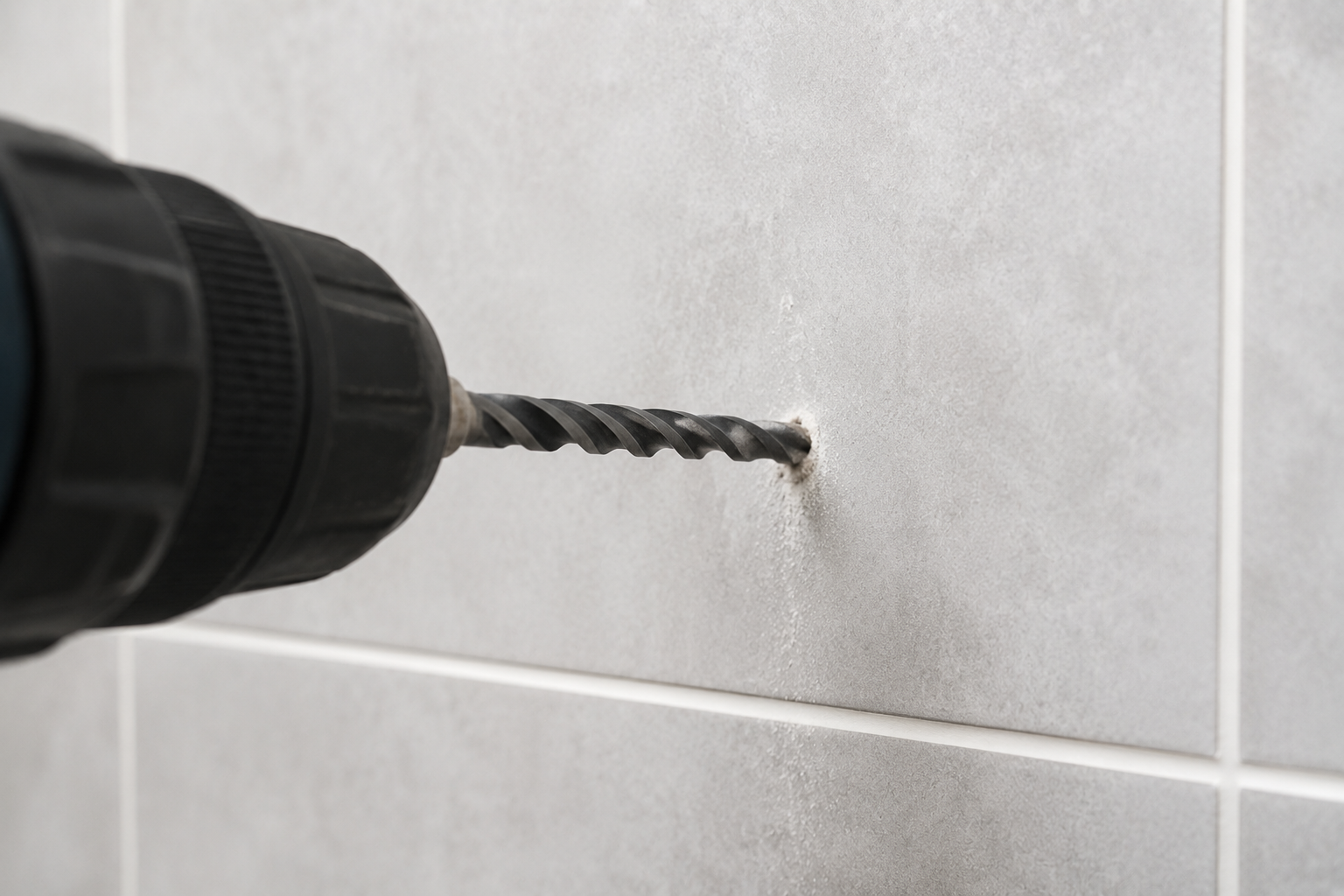
DIFFICULT WALLS
Plaster, Brick, and Tile
Lath and plaster, masonry, and tiled surfaces each need specific drilling and fixing methods. Getting that wrong cracks the surface, and the repair is far worse than the hole. Tile in particular needs the right bit.
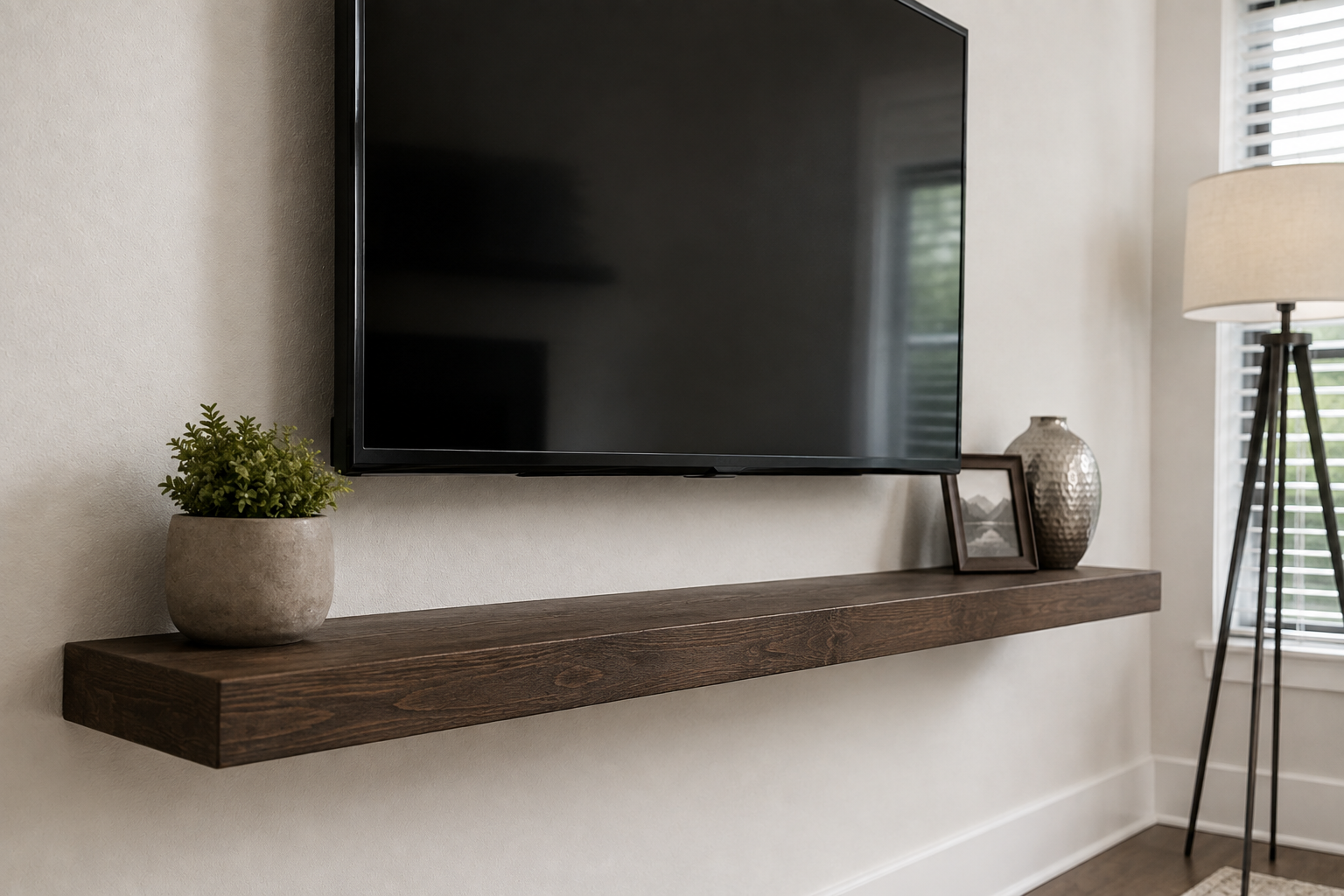
FIXTURES
Shelves, TVs, and Wall Decor
Floating shelves, wall mounted decor, curtain rods, and similar fixtures get located, leveled, and anchored into framing so they hold real weight over time. Load ratings get checked against what you intend to put on them.
THE WORD ON OUR WORK
WHAT OUR CLIENTS SAY.
Two things come up repeatedly. That the pieces are lower than people expected and look far better for it, and that a wall of eight frames went up in one visit with no spare holes to patch afterward. Both come up almost every time we finish a room.
FAQ
FREQUENTLY ASKED QUESTIONS.
Hanging questions are usually about height, weight, and what a wall can actually carry. Here is what homeowners around Vancouver ask most before booking this kind of work.
How high should artwork be hung?
Galleries center pieces at around 57 inches from the floor, which is average eye level. Over furniture, the gap between the frame and the piece below matters more than absolute height.
Do I need to hang everything on a stud?
Not everything. Light frames sit fine on rated drywall anchors. Anything heavy, especially mirrors, should reach framing or use a cleat, because drywall alone carries very little weight. We locate framing on every job regardless.
How much weight can drywall hold?
Very little without an anchor. A small toggle carries around thirty pounds in half inch board and considerably more in thicker board, while a larger toggle can approach a hundred. TTP Handymen LLC hangs pieces across Vancouver, WA.
What is a French cleat and when is it used?
Two interlocking angled strips, one on the wall and one on the piece. They spread the load along their length and are made in sizes handling frames from fifty to several hundred pounds.
How do you hang art on plaster or brick?
Plaster needs pilot holes and specific anchors to avoid cracking that spreads. Brick and concrete need masonry bits and sleeve anchors, ideally fixed into mortar joints rather than the face. Weekly work for TTP Handymen LLC around Vancouver, WA.
How far apart should pictures be in a gallery wall?
Commonly two to three inches between frames, kept consistent throughout. What matters more is a shared line, whether that is a level top edge, center line, or bottom edge. Consistency reads better than any particular measurement.
How do you keep frames from going crooked?
Two hanging points instead of one, or a cleat. Single hook hanging lets a frame pivot every time something nearby moves, and no amount of adjusting keeps it level permanently.
Should heavy pieces be secured against earthquakes?
Worth considering here. Cleats and two point fixings hold far better under lateral movement than a single hook, and securing the bottom edge of a large mirror adds real margin.
HOW WE WORK
FROM BARE WALL TO FINISHED ARRANGEMENT, HERE IS HOW.
STEP 01
Understand the wall
Drywall, plaster, masonry, or tile all get identified, framing gets located, and we check for wiring and plumbing before anything gets committed to a specific position. Older homes here hide plaster and unexpected wiring more often than most people assume.
STEP 02
Weigh and plan the fixing
Each piece gets assessed for weight and hanging point, then matched to hardware rated well beyond it. Heavy mirrors and large frames get cleats rather than hooks. Hardware gets chosen for the real load, never the label estimate.
STEP 03
Lay out before drilling
Groupings get arranged on the floor, then transferred to the wall with paper templates or tape. You approve the arrangement before a single hole gets made. Changing your mind at that stage costs nothing at all.
STEP 04
Set the height properly
Height gets set from eye level and from the furniture below rather than from the ceiling. Most rooms are hung too high, and lowering pieces improves them immediately. We show you the mark before anything is fixed.
STEP 05
Fix and level
Hardware goes in, pieces go up, and everything gets checked with a level across the whole arrangement rather than piece by piece. Two point fixings keep frames true. The whole wall gets sighted from across the room afterward.
STEP 06
Check and tidy
Every piece gets tested for security, the arrangement gets viewed from across the room, dust gets vacuumed, and any templates and packaging leave with us. You are left with finished walls and nothing to clean up or patch afterward.
Get Your Free Estimate
GET IT ON THE WALL PROPERLY THE FIRST TIME, FREE.
Whether it is one heavy mirror or a whole wall of frames that has been leaning in the hallway for months, we will hang it right. Get in touch through the contact page to book a visit.
WHAT YOUR HANGING VISIT COVERS:
✓ Wall type identified and framing located
✓ Wiring and plumbing checked before drilling
✓ Hardware rated well above the actual weight
✓ Layout templated and approved before any hole
✓ Height set from eye level, not the ceiling
✓ Everything leveled, tested, and tidied up