

Mini-Split Cleaning
MINI-SPLIT CLEANING IN Vancouver, WA
The Department of Energy notes that replacing a clogged filter alone can cut an air conditioner's energy use by 5 to 15 percent, and advises checking the evaporator coil every single year. TTP Handymen provides mini-split cleaning across Vancouver, WA, deep cleaning indoor heads, blower wheels, evaporator coils, and blocked condensate drain lines rather than simply rinsing out the front filters and calling that annual maintenance. Free estimates first, and all work is insured to $1 million.
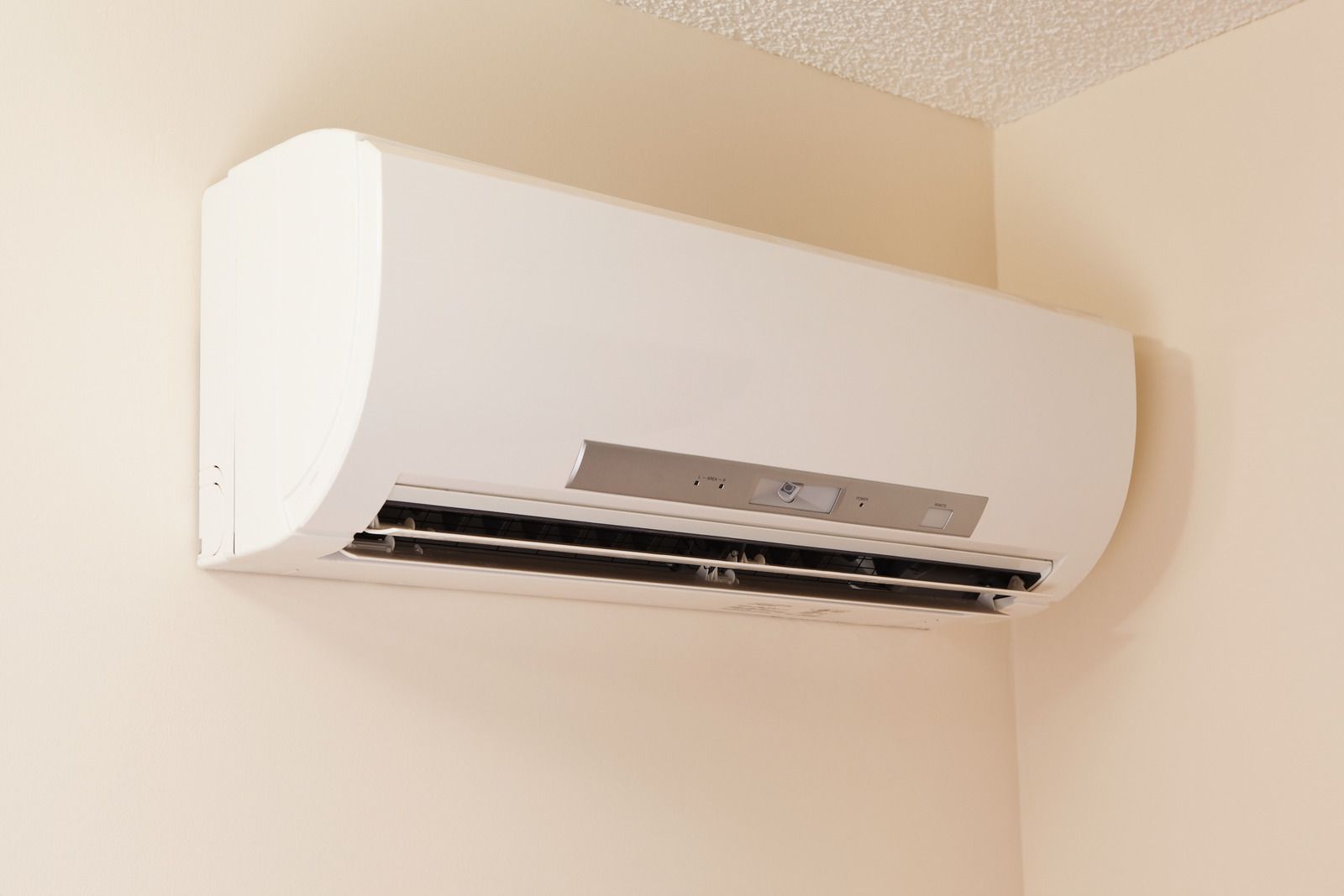
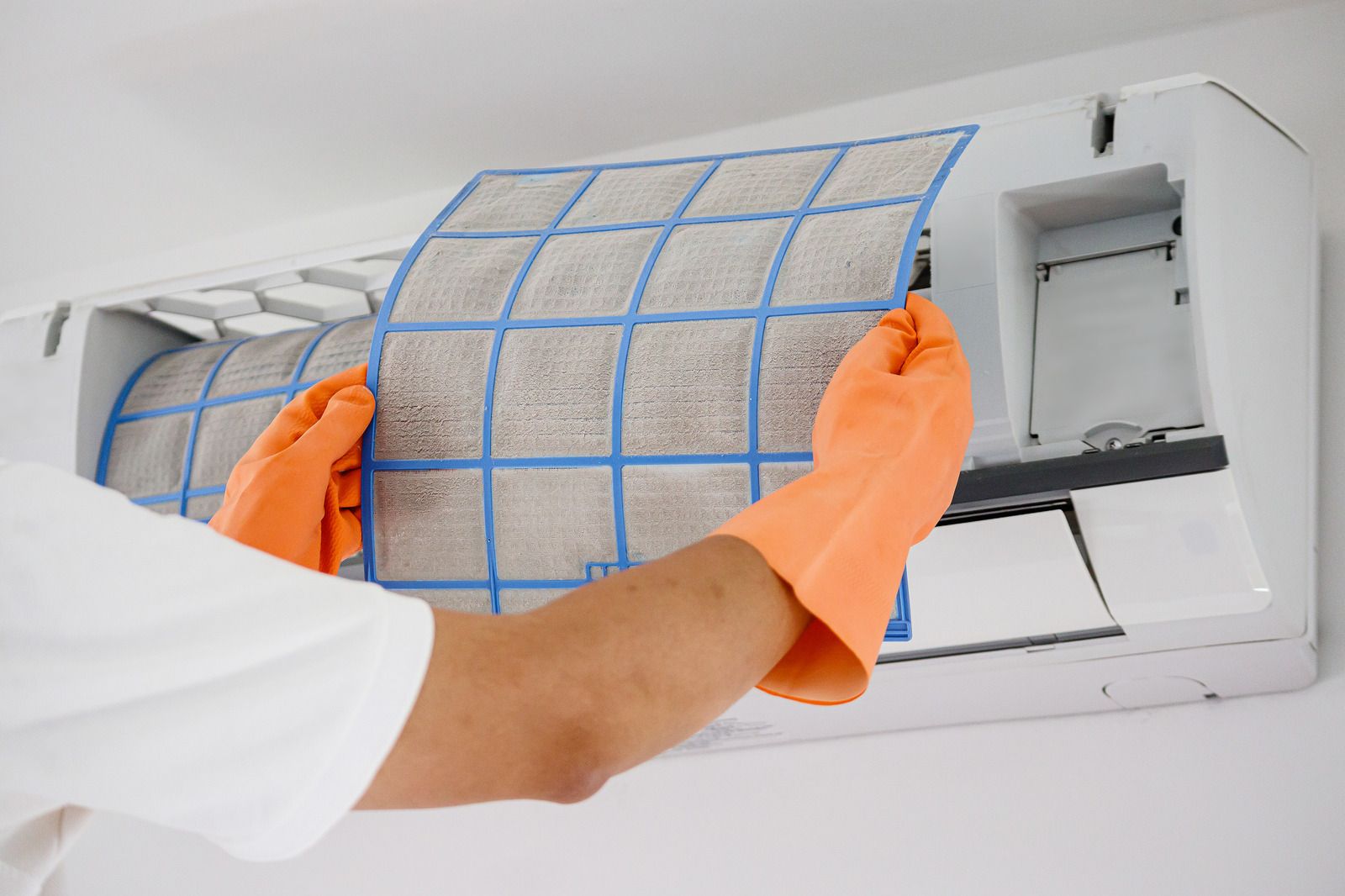
THE SMELL IS COMING FROM SOMETHING GROWING.
That musty, dirty sock odor when a mini-split first kicks on is not dust. It is biological growth on a coil and blower wheel that stay damp in cooling mode, and no amount of filter rinsing reaches it. The manufacturers say so directly. Trane describes it plainly as mold growth inside the unit, and says remediation means taking the head apart.
Getting rid of it means opening the head up, pulling the blower wheel, and cleaning each component properly rather than spraying an aerosol at the vanes. Anything less is temporary.
✓ Blower wheel removed and cleaned, not just wiped
✓ Evaporator coil cleaned through its full depth
✓ Condensate pan and drain line cleared and flushed
✓ Outdoor unit coil and fin surface cleaned too
MINI-SPLIT CLEANING
A CLEAN COIL IS THE ONLY REASON THE SYSTEM IS EFFICIENT.
Ductless systems are sold on efficiency numbers that assume clean heat exchange surfaces. Dirt on a coil does two things at once. It insulates the surface so heat transfer drops, and it restricts airflow so the fan works harder to move less air. Research on fouled coils has found pressure drop can double within several years of normal use, well short of the equipment's expected service life.
MILD DAMP WINTERS KEEP THESE UNITS DAMP INSIDE.
Ductless heads here run in heating mode for much of the year, then switch to cooling in a short warm season, and the moisture cycle in between is exactly what growth needs. Add typical indoor humidity in a Pacific Northwest winter and the inside of a wall mounted head becomes a reliable place for mold to establish. Regular deep cleaning is genuinely preventive here, not cosmetic.
MUSTY AIR HAS A SOURCE, AND IT IS REACHABLE.
People assume the smell is something they have to live with, or they mask it with an air freshener. It is neither. Over 4 years of servicing ductless equipment around Clark County we have pulled blower wheels that were fully coated and drain lines completely blocked with biofilm, from units that looked perfectly clean from the room. Getting into those components is the whole job, and it makes the difference immediately.
WHAT A DEEP CLEANED SYSTEM DELIVERS
AIR THAT SMELLS CLEAN
Removing growth from the coil and blower wheel eliminates the source of the odor rather than covering it. The change is noticeable within the first cycle after cleaning.
LOWER RUNNING COSTS
Restoring airflow and heat transfer means the system reaches setpoint faster and cycles less. Clean filters alone account for a measurable share of an efficiency loss.
STRONGER HEATING AND COOLING
Output that has quietly declined over several years usually comes back after a proper clean. Most people assume the equipment is aging when it is simply loaded.
NO MORE DRIPPING
Water running down the wall below a head almost always means a blocked condensate line. Clearing and flushing it stops the leak and the staining that follows.
LONGER EQUIPMENT LIFE
A system fighting restricted airflow runs longer cycles at higher load. Reducing that strain takes real wear off the compressor and the fan motor over time.
BETTER INDOOR AIR
Anything growing on a wet coil is being blown into the room every time the unit runs. Removing it matters most in bedrooms and for anyone with allergies.
WHAT WE SERVICE
OUR MINI-SPLIT CLEANING WORK
A proper ductless service reaches components most maintenance never touches. These are the parts of the system we clean and check on a full visit to a home around Vancouver. Most units need every one of them.
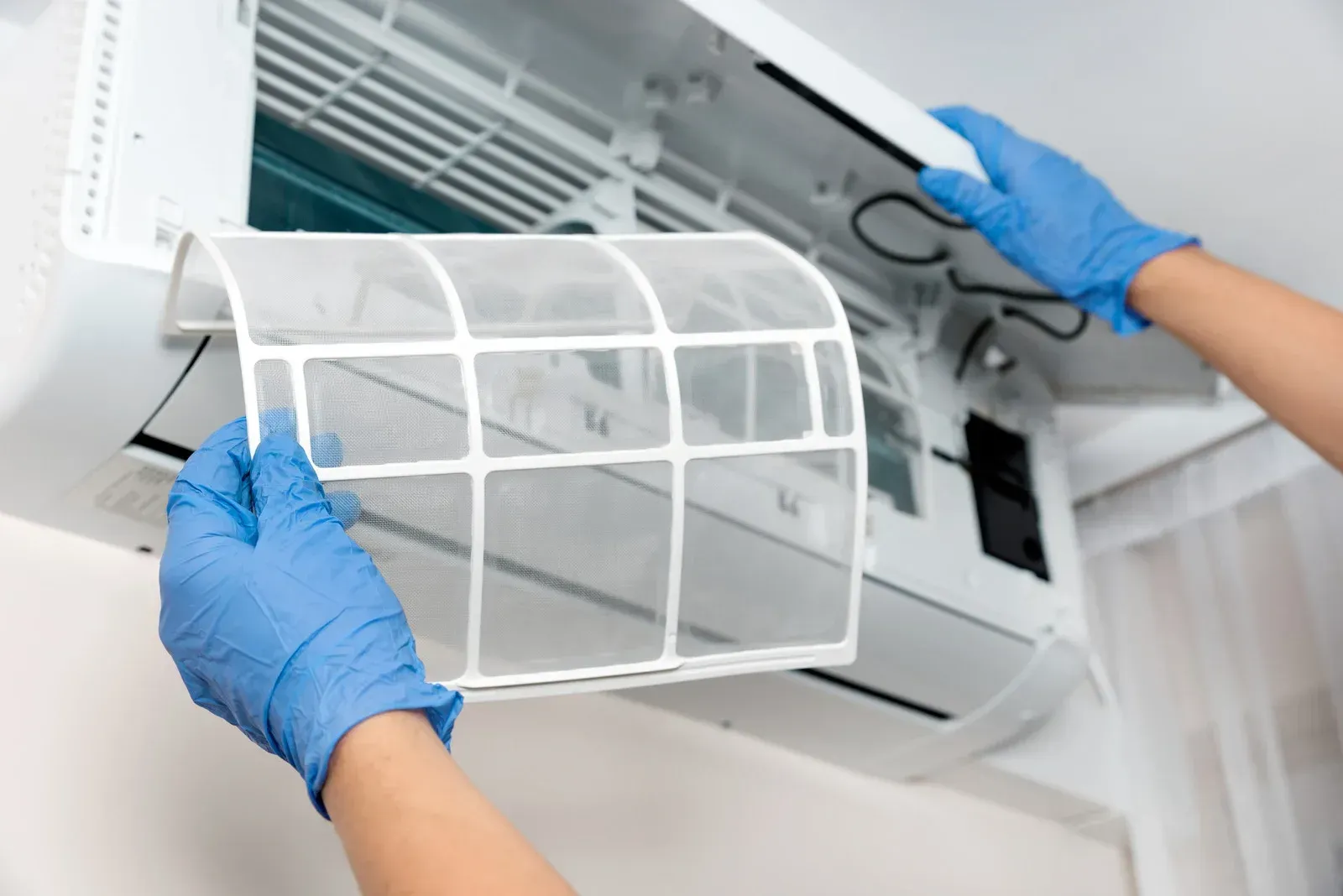
INTAKE
Filter Cleaning and Replacement
Washable filters get removed, cleaned, dried, and refitted correctly. Manufacturers often want these done every few weeks in heavy use, and we show you how rather than leaving it a mystery.
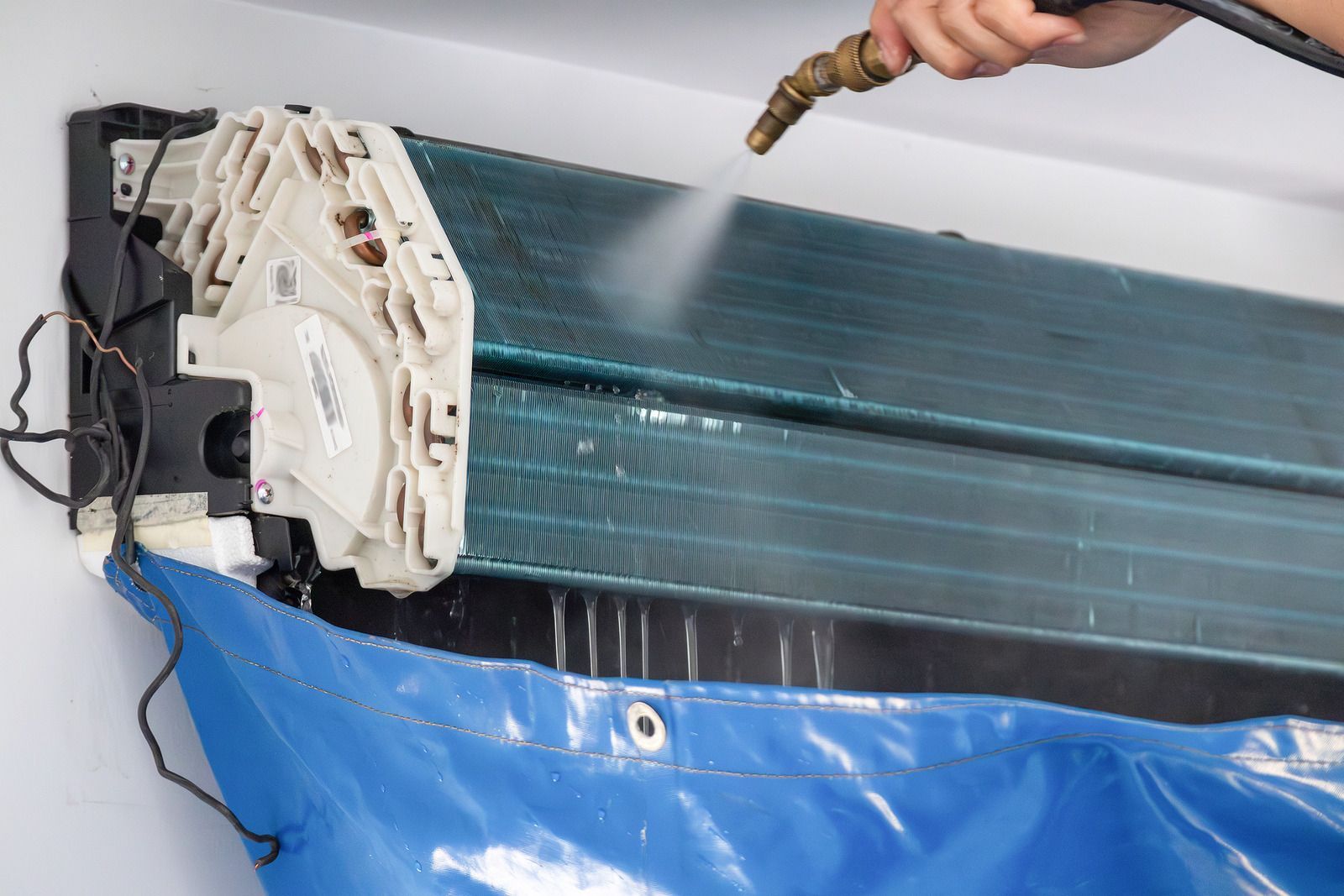
CORE
Evaporator Coil Deep Clean
The indoor coil gets cleaned through its full depth with a purpose made cleaner, not just brushed at the face. This is where efficiency is actually lost and where growth establishes first.
AIRFLOW
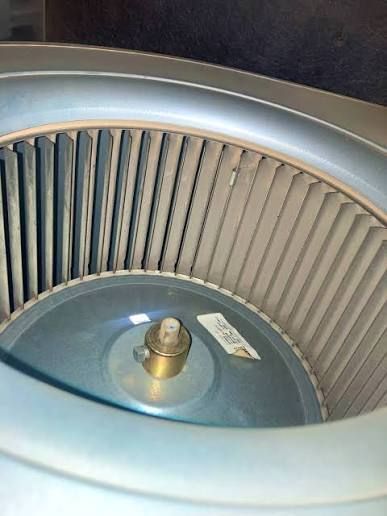
Blower Wheel Removal and Cleaning
The barrel fan gets taken out and cleaned individually. Buildup packed into those vanes is the single largest cause of reduced airflow and of the musty smell people notice. It is also the part almost no routine service ever touches.
DRAINAGE
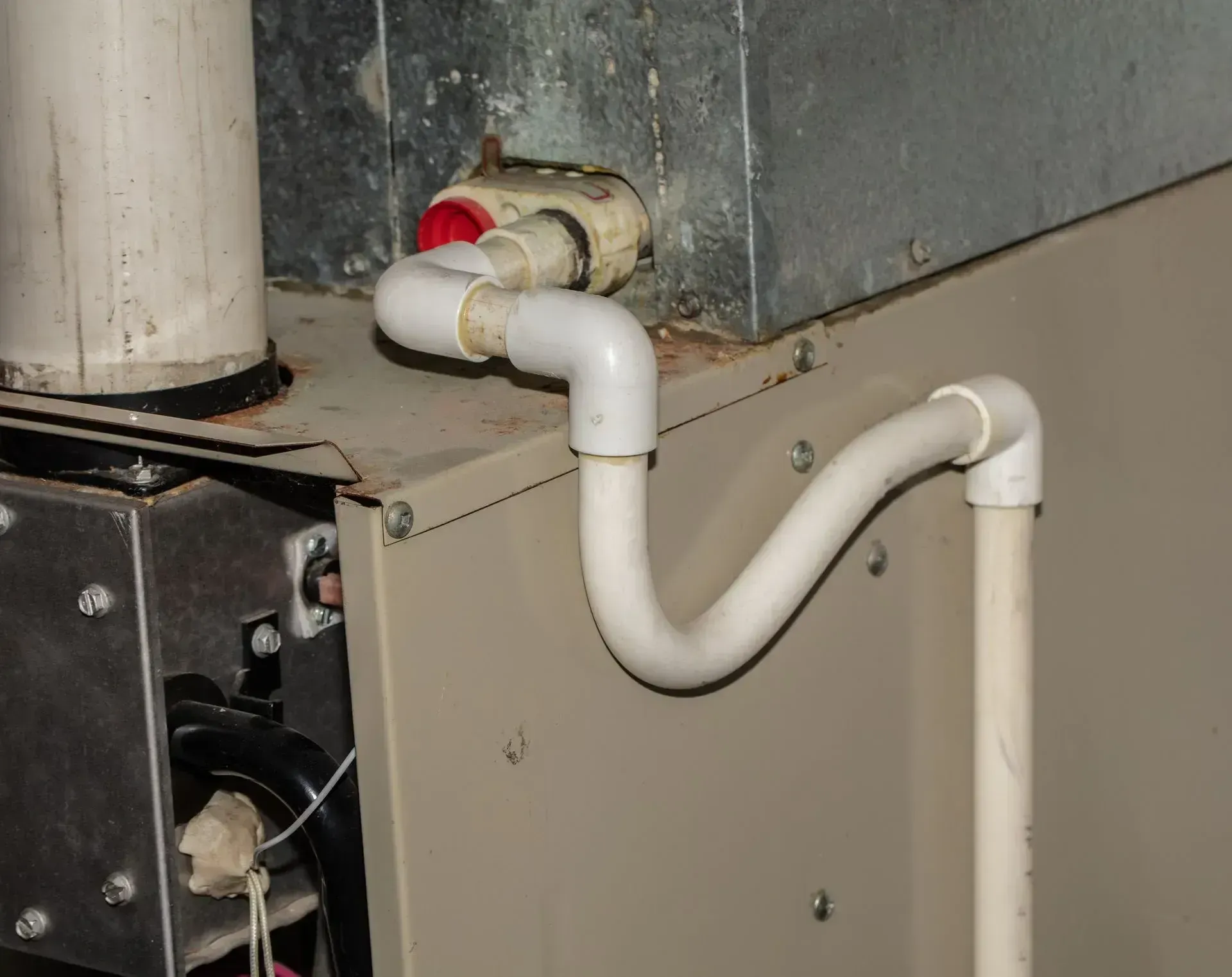
Condensate Drain Line Service
The pan gets cleared and the line flushed through to the outside. Blocked drains cause dripping, wall staining, and in some cases a shutdown fault the homeowner reads as a failure.
EXTERIOR
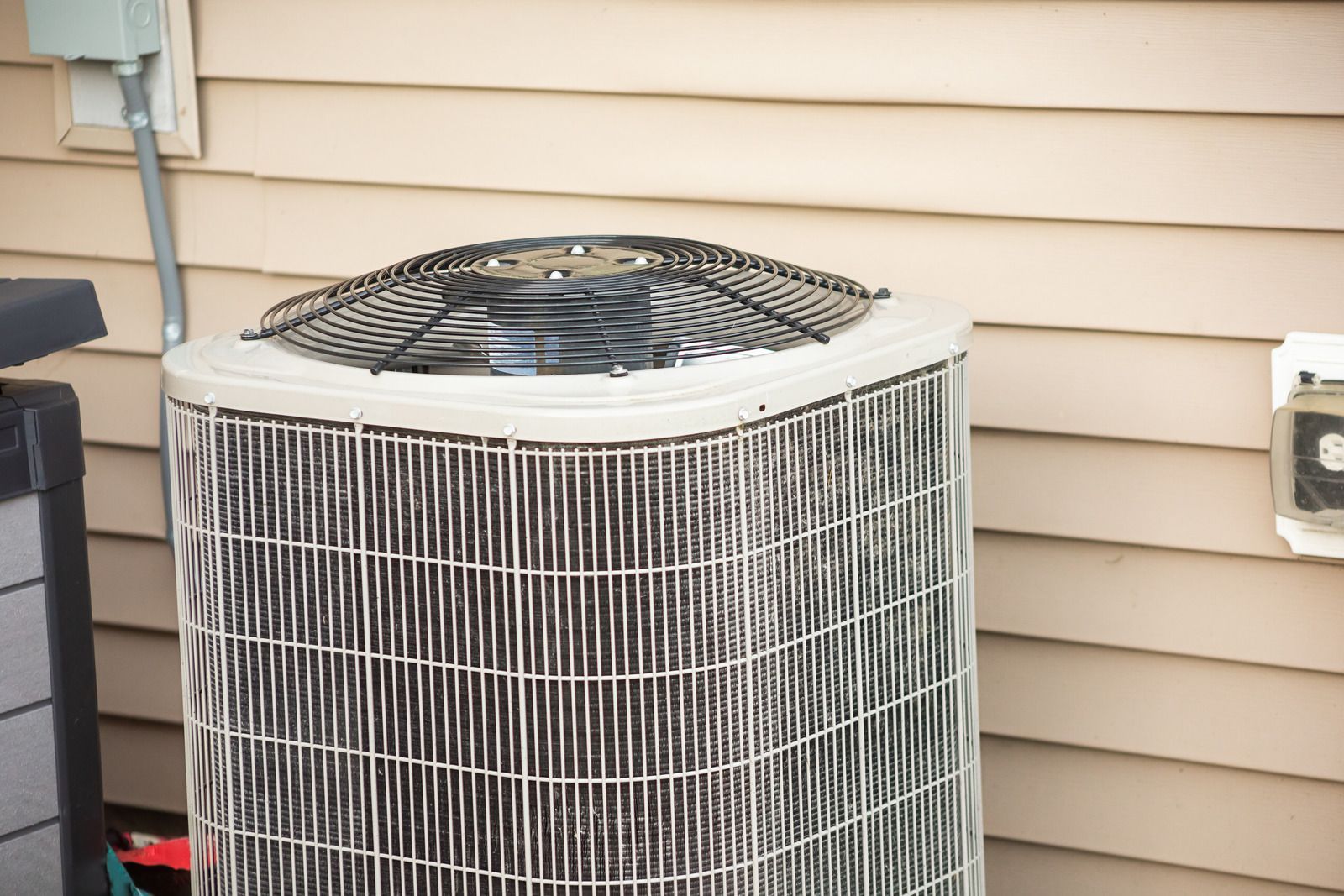
Outdoor Unit Cleaning
Fins get cleared of needles, leaves, and dirt, and the coil gets washed at safe pressure. Clearance around the unit gets checked, since planting too close chokes airflow badly. Shrubs planted tight against a condenser are a common local problem.
INSPECTION
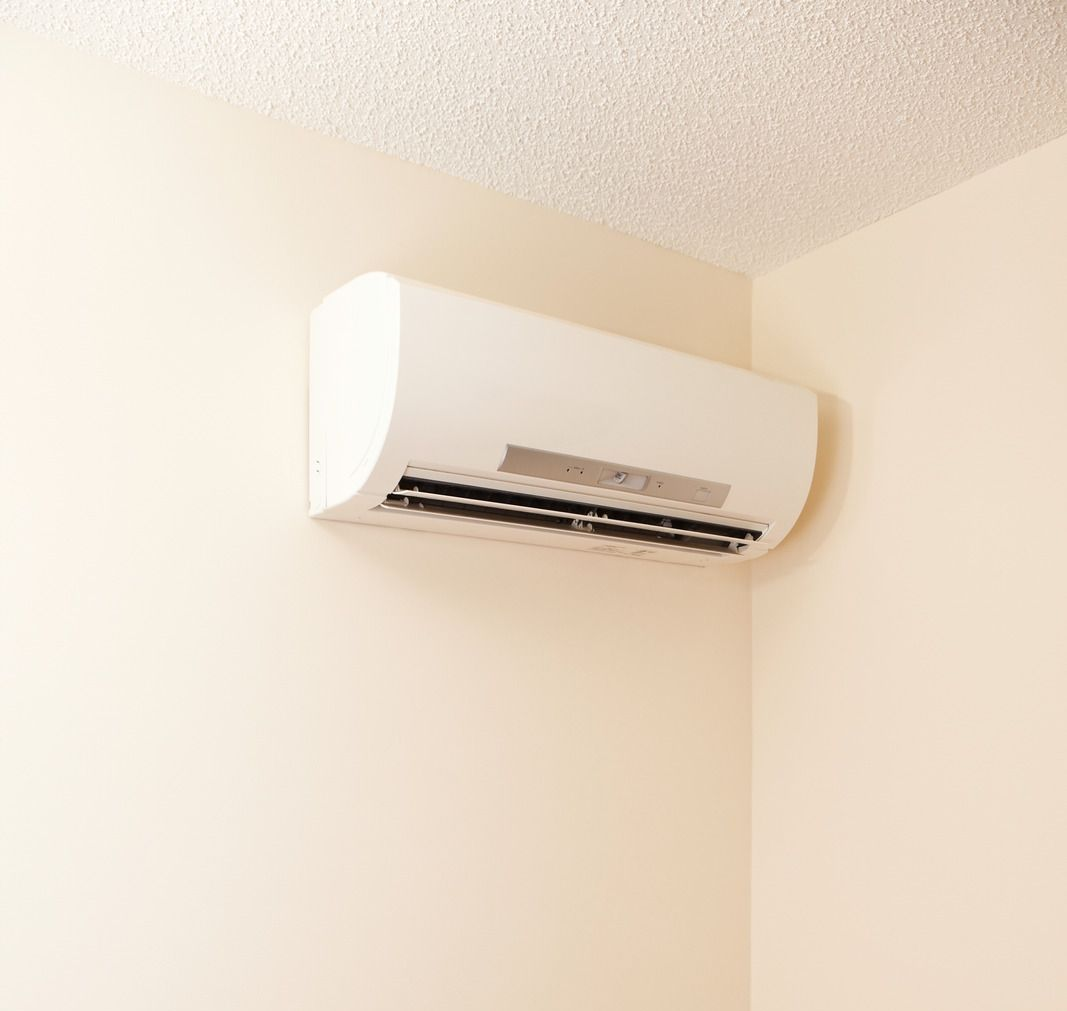
Operation and Fault Check
The system gets run in both modes with temperatures checked at supply and return. Anything pointing at a refrigerant or electrical issue gets flagged for a licensed HVAC technician. You get the numbers rather than a verbal all clear.
THE WORD ON OUR WORK
WHAT OUR CLIENTS SAY.
The comment we hear most is about the smell disappearing, usually from someone who had assumed the unit was simply old. The second is about the water in the bucket at the end, which tends to be more convincing than anything we could say.
FAQ
FREQUENTLY ASKED QUESTIONS.
Ductless questions center on smells, frequency, and what a real cleaning covers. Here is what homeowners around Clark County most often ask before booking mini-split service.
How often should a mini split be cleaned?
Filters want rinsing every few weeks in heavy use, and the indoor unit benefits from a professional deep clean annually. Systems running both heating and cooling often justify twice a year.
Why does my mini split smell musty?
That odor usually means growth on the coil, the blower wheel, or in the condensate pan, all of which stay damp during cooling. Filter cleaning alone will not reach any of it.
What happens if a mini split is never cleaned?
Airflow drops, heat transfer falls, energy use climbs, and the coil holds moisture and growth. The unit works longer and harder for less output, which shortens the compressor's working life. TTP Handymen LLC cleans units across Vancouver, WA.
Can I clean a mini split myself?
Filters yes, and you should. The coil, blower wheel, and drain line need the head partially disassembled and cleaned with the right products, which is where most homeowner attempts stop short.
Why is my mini split dripping water inside?
Nearly always a blocked condensate drain line. Growth and debris restrict the line, water backs up in the pan and overflows down the wall, and some units fault out entirely. Ordinary work for TTP Handymen LLC across Vancouver, WA.
Does a dirty unit really use more electricity?
Yes, measurably. Restricted airflow and an insulated coil both reduce heat transfer, so the system runs longer to reach the same setpoint. A clogged filter alone drives a noticeable increase.
What is the difference between a filter rinse and a deep clean?
A rinse removes surface dust. A deep clean opens the head, removes the blower wheel, cleans the coil through its depth, and flushes the drain, which is where the real problems live.
Why has my system stopped heating well?
Loaded coils and a fouled blower wheel are the most common cause, and cleaning usually restores output. If it does not, the next step is a licensed HVAC technician checking refrigerant charge.
HOW WE WORK
FROM MUSTY VENT TO CLEAN AIRFLOW, HERE IS HOW.
STEP 01
Check performance first
The system gets run in both modes with supply and return temperatures measured before anything is opened. That baseline shows what the cleaning actually recovered afterward. Without it there is no proof the service changed anything.
STEP 02
Protect the room
A service bag goes under the head and the wall and floor below get covered. Cleaning a ductless head produces a surprising amount of dirty water, all of which gets captured. Nothing ends up on the carpet or the furniture below.
STEP 03
Open and disassemble
The front cover, vanes, and housing come off, and the blower wheel gets removed. Reaching those components is what separates a deep clean from a filter rinse. Everything removed gets kept in order for reassembly, so nothing goes back in the wrong position.
STEP 04
Clean coil and wheel
The coil gets treated through its full depth and the blower wheel gets cleaned individually. Both get rinsed thoroughly so no cleaner residue stays behind to attract dirt. Residue left in a coil simply collects dirt faster afterward.
STEP 05
Flush the drain
The condensate pan gets cleared and the drain line flushed through to its exterior outlet. Blocked lines are the cause behind most dripping and most nuisance shutdown faults. The line gets confirmed running clear at the outside end.
STEP 06
Reassemble and verify
Everything goes back together, the outdoor unit gets cleaned, and the system runs again with temperatures rechecked. You see the before and after numbers rather than taking our word. Filters go back clean and correctly seated.
Get Your Free Estimate
GET THE SMELL OUT AND THE OUTPUT BACK, FREE.
If your ductless system smells musty or has quietly stopped keeping up, cleaning is the first thing to rule out. Reach us through the contact page and we will price the service before starting.
WHAT YOUR MINI-SPLIT SERVICE COVERS:
✓ Performance measured before and after cleaning
✓ Full room protection and water capture
✓ Blower wheel removed and cleaned individually
✓ Evaporator coil cleaned through its depth
✓ Condensate pan and drain line flushed
✓ Outdoor coil cleaned and clearance checked